Estimated reading time: 4 minutes
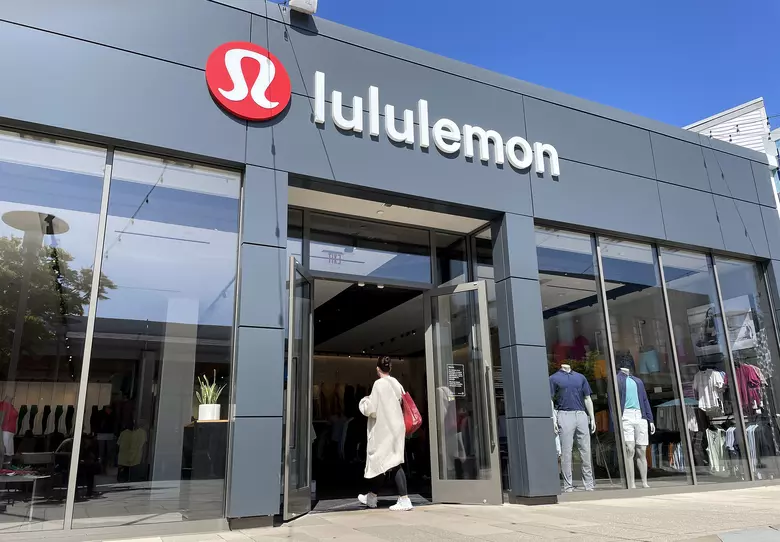
Thousands of healthcare professionals are once again debating who gets recognized as part of the healthcare workforce after viral social media posts renewed criticism of lululemon’s healthcare discount policy, which excludes physician assistants (PAs) while extending benefits to physicians and licensed nurses.
The discussion has gained traction across TikTok, Instagram, Reddit, and LinkedIn, with many PAs questioning why they are not eligible for the company’s Military and First Responder discount despite providing direct patient care. While the conversation may appear new, similar concerns have surfaced repeatedly since the COVID-19 pandemic.
What began as debate over a retail discount has evolved into a broader conversation about professional recognition, healthcare workforce identity, and how organizations define who qualifies as a healthcare professional.
What Is Lululemon’s Healthcare Discount Policy?
Lululemon currently offers a 15% discount through its Military and First Responder program. According to the company’s eligibility requirements, the discount is available to military personnel, firefighters, law enforcement officers, search and rescue personnel, EMTs, medical doctors, and licensed nurses. The company uses SheerID to verify eligibility. Physician assistants are not currently listed among eligible professions.
The policy remains in effect today and continues to be promoted on lululemon’s website as a benefit for those who “keep us safe and healthy.”
Why Is This Trending Now?
Recent social media posts from PAs have reignited attention on the policy, with many clinicians sharing screenshots of eligibility criteria and describing their experiences attempting to verify for the discount. Some have questioned why a profession that evaluates patients, diagnoses conditions, orders tests, prescribes medications, and manages treatment plans is excluded while other healthcare professions are included.
The conversation quickly spread beyond physician assistants, drawing comments from respiratory therapists, pharmacists, physical therapists, and other healthcare professionals who have raised similar questions about workforce recognition.
A Debate That Dates Back to the Pandemic
While the current discussion is trending on social media, concerns about lululemon’s policy are not new.
During the COVID-19 pandemic, lululemon offered discounts that many healthcare workers interpreted as applying more broadly to frontline healthcare personnel. In 2021, the company transitioned to its current Military and First Responder program and reduced the discount from 25% to 15%. At the same time, eligibility criteria became more narrowly defined, specifically identifying nurses and physicians among healthcare professions eligible for the program.
The change prompted backlash from some healthcare professionals who felt the revised criteria no longer reflected the interdisciplinary nature of patient care.
In November 2021, a physician assistant working in intensive care launched a petition calling on lululemon to recognize a broader range of healthcare professionals. The petition argued that physician assistants, pharmacists, respiratory therapists, imaging professionals, occupational therapists, physical therapists, and other clinicians played essential roles during the pandemic and should be included in recognition programs aimed at healthcare workers.
The petition received hundreds of signatures, but the company’s eligibility criteria remained unchanged.
Who Are Physician Assistants?
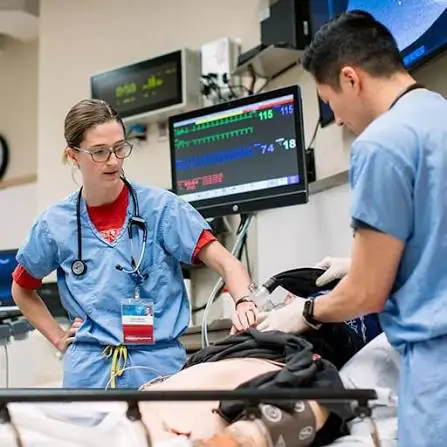
Physician assistants, known by some professional organizations as physician associates, are licensed clinicians who practice medicine in collaboration with physicians. They work in hospitals, clinics, emergency departments, surgical specialties, and primary care settings across the United States.
PAs perform physical examinations, diagnose illnesses, order and interpret diagnostic testing, prescribe medications, and manage treatment plans. The profession has grown substantially over the past two decades as healthcare systems increasingly rely on team-based care models to improve access to healthcare services.
For many PAs participating in the online discussion, the issue appears to be less about the monetary value of the discount than whether their profession is recognized alongside other clinicians who provide direct patient care.
A Larger Conversation About Recognition
The debate highlights a challenge many companies face when developing programs intended to honor healthcare workers.
Healthcare delivery today depends on interdisciplinary teams that include physicians, nurses, nurse practitioners, physician assistants, pharmacists, respiratory therapists, therapists, social workers, technologists, and many other professionals. Determining where to draw the line for recognition programs can be difficult, particularly when different organizations define healthcare workers differently.
Comments across social media reflect a range of perspectives. Some argue that private companies have the right to determine eligibility however they choose. Others believe recognition programs should better reflect the collaborative nature of modern healthcare.
A Broader Conversation About Professional Recognition
Whether lululemon ultimately revisits its eligibility criteria remains to be seen
For now, the renewed social media discussion underscores how questions of professional recognition continue to resonate across healthcare. What began as debate over a retail discount has evolved into a broader conversation about how interdisciplinary healthcare teams are acknowledged—and who gets included—when organizations say they support healthcare professionals.
Editor’s Note: Nurse Approved contacted lululemon and the American Academy of Physician Associates (AAPA) seeking comment for this story. Neither organization responded by publication. This article will be updated if a response is received.
