


Estimated reading time: 4 minutes
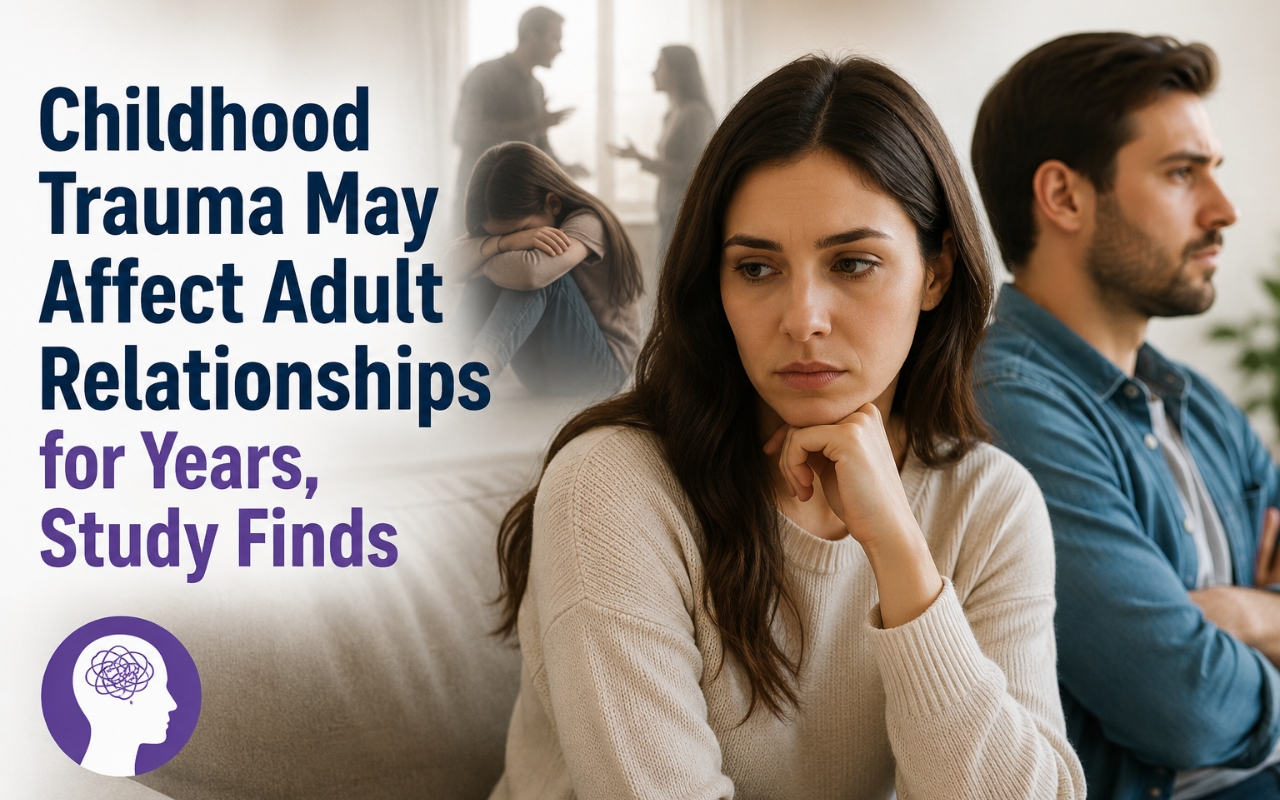
Adverse childhood experiences may continue to shape how adults communicate, manage conflict, and maintain close romantic relationships long after childhood, according to new research from the University of Georgia.
The study, published in the Journal of Social and Personal Relationships, found that adults who experienced childhood adversity were more likely to report depression, anxiety, loneliness, and difficulty engaging in the everyday behaviors that help build strong relationships.
For nurses, nurse practitioners, behavioral health professionals, and other healthcare providers, the findings reinforce the long-term impact of childhood trauma and the importance of trauma-informed care across the lifespan.
Want to see more Nurse Approved articles in your Google results? Add us as a preferred source.
Add Nurse Approved as apreferred source on Google
Childhood Trauma Can Affect Everyday Relationship Behaviors
Researchers analyzed responses from more than 200 adult couples participating in the University of Georgia’s ELEVATE program, a free relationship education initiative offered through University of Georgia Cooperative Extension.
Both partners reported adverse childhood experiences before age 18, including abuse, neglect, parental divorce, the death of a parent, household conflict, and chronic food insecurity.
Participants who reported more adverse childhood experiences were more likely to report depression, anxiety, and loneliness as adults. They also reported greater difficulty communicating, showing affection, and managing conflict with their partners.
“Investing in a relationship with everyday actions is like putting money in a bank account,” said Analisa Arroyo, lead author of the study and a professor in the University of Georgia Franklin College of Arts and Sciences. “Those small things we do daily build trust, connection and support over time. When we haven’t built up those reserves, it’s like not having enough money when your car breaks down. You’re stuck.
“If we’re not investing in our relationship and then we face stress, conflict or other challenges, we may not have what we need to get through that moment.”
Poor Communication Was Linked to Lower Relationship Satisfaction
Researchers found that couples who struggled with everyday communication and supportive interactions also reported lower overall relationship satisfaction. Those couples also reported lower overall relationship satisfaction.
“When couples experience relationship problems, it’s easy to focus only on what’s happening in the moment, such as how they communicate, handle disagreements, or interact with one another,” said Evin Richardson, co-author of the study and an assistant research scientist in the University of Georgia College of Family and Consumer Sciences. “But our research suggests that, for many people, those challenges may have deeper roots. Understanding these connections can help couples and professionals address the underlying issues, not just the symptoms, that affect relationship well-being.”
Arroyo noted that relationship health is often built through routine daily interactions rather than major conversations alone.
“It’s not only the big conversations, big conflicts or the heart-to-hearts that matter. It’s the really small, everyday interactions that get us ready for those bigger and harder moments when they arise,” Arroyo said. “Do we notice our partner when they walk in the door or speak? Do we respond, or are we ignoring them?”
Mental Health Played a Different Role for Women and Men
The researchers also found differences based on gender.
Women who reported more adverse childhood experiences were more likely to experience depression and anxiety that affected both their own relationship satisfaction and that of their partners.
Among men, depression and anxiety associated with childhood trauma influenced only their own perception of relationship quality and did not appear to affect their partner’s reported satisfaction.
What Nurses Should Know
The findings reinforce the importance of trauma-informed care. For nurses working in primary care, behavioral health, women’s health, family practice, and community health, understanding how adverse childhood experiences can influence mental health and interpersonal relationships may provide important context when caring for patients.
The researchers said that while childhood experiences cannot be changed, healthy relationship skills can be learned.
“We can’t change our childhood experiences,” Arroyo said. “But we can understand how they continue to influence us. That awareness gives couples an opportunity to support one another and build healthier relationship patterns together.”
“Couples can absolutely strengthen their relationships by learning and practicing healthy relationship skills, especially when both partners are committed to growth,” Richardson said. “At the same time, individuals who have experienced significant trauma or chronic stress may benefit from more personalized support, such as counseling or therapy, to better understand how past experiences are influencing their current relationships and how to build healthier patterns moving forward.”
