


Estimated reading time: 4 minutes
A new hospital in Texas is integrating virtual nursing into daily care. This shows how technology is changing nursing roles as hospitals seek solutions to burnout, workflow strain, and patient safety challenges.
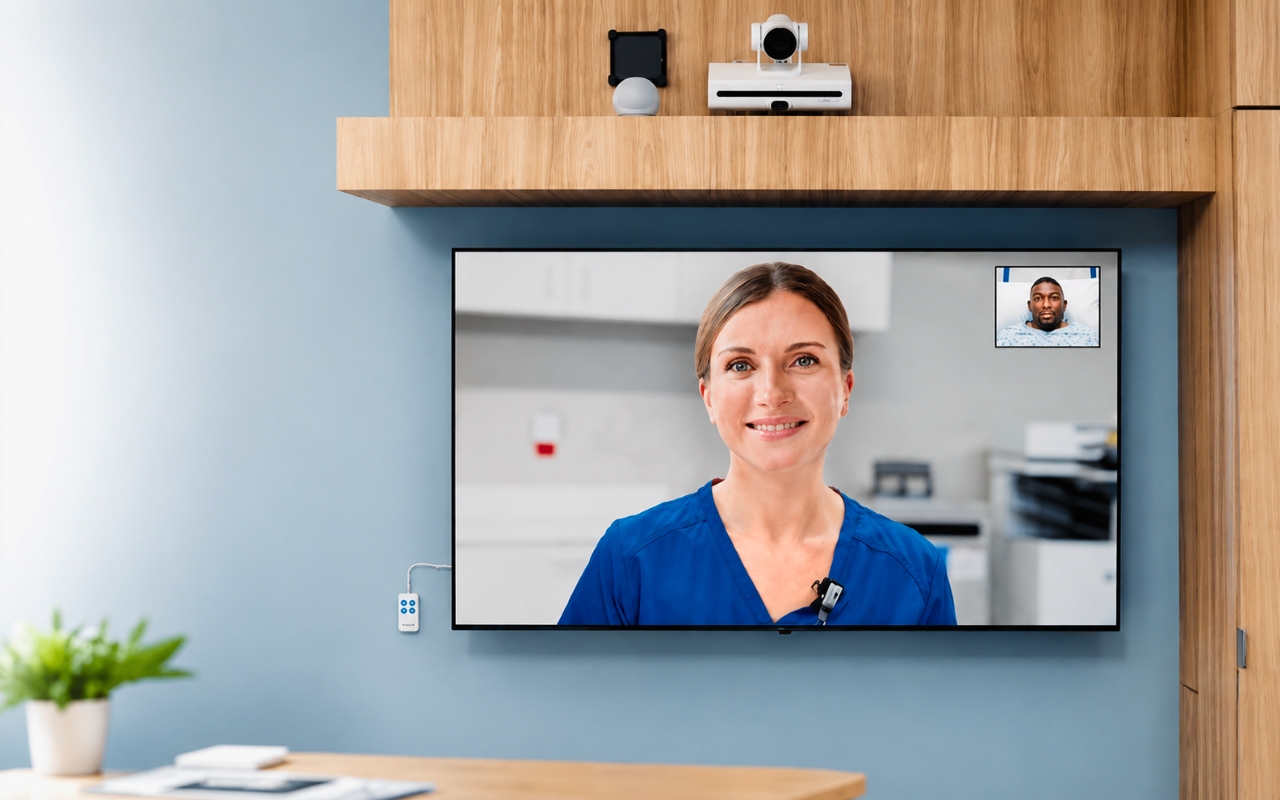
At Houston Methodist’s new Cypress Hospital, virtual nurses are now part of the care team in an acute care setting, supporting bedside staff and enhancing care coordination to improve efficiency and manage workload.
For nurses like Lisa Cao, RN, the evolving role reflects the expansion of nursing beyond traditional bedside responsibilities.
At Houston Methodist Cypress Hospital, virtual nursing supports bedside teams, strengthens care coordination, and helps reduce burnout while maintaining patient safety and connection.
Nursing’s “Invisible Work” Continues to Drive Burnout
Cao said many realities of nursing remain largely unseen by the public, particularly the amount of behind-the-scenes work required during every shift.

“The reality is less like the idealized version people imagine,” Cao said. “It can be physically and emotionally demanding. Nurses juggle many tasks for multiple patients while working to provide the best care.”
She said much of nursing work happens away from direct bedside interactions.
“Many things nurses do seem like invisible work,” she said. “The public doesn’t usually see or think of these tasks. Much time is spent charting, reviewing, and thinking through orders and tasks. We coordinate with other disciplines while keeping the patient and family involved.”
Cao noted that documentation and care coordination are essential but time-consuming responsibilities that can compete with direct patient care.
“For every hour at the bedside, there is often a large amount of charting, care coordination, and double-checking medications and orders,” she said. “That documentation isn’t optional—it’s critical, but it can take time away from direct patient care.”
Virtual Nursing Reflects a Changing Profession
The use of virtual nursing at Houston Methodist Cypress Hospital reflects a broader trend in which technology and in-person care merge to enhance patient outcomes and support nursing staff.
“Nursing is no longer just at the bedside,” Cao said. “We keep evolving into hybrid roles. These roles blend clinical expertise, technology, coordination, and leadership.”
She said healthcare organizations are increasingly using technology to improve workflow efficiency while supporting safer patient care.
“Now, the focus is on integrating new tools to change care delivery,” Cao said. “This shift helps reduce nurse burnout. It also improves patient access to efficient, safe care.”

Human Connection Remains Central to Nursing
Even as technology grows, Cao emphasized that human connection still matters most in nursing.
Some of the moments that have stayed with her most involve simple bedside interactions with patients and families.
“I may not think I’m doing anything extraordinary by sitting at the bedside and answering their questions. Listening to their worries or doing small things for them is routine and not done for recognition,” she said.
Those moments, she said, often become the most meaningful.
“When patients thank me or say they’re glad I was their nurse, it means a lot. My favorite is when they say I was meant to do this. Those brief, meaningful connections—especially in a fast-paced, high-pressure environment—remind me why I became a nurse,” she said.
Nurses Say the Emotional Weight of the Job is Often Overlooked
Cao said the public often underestimates the emotional and mental demands nurses carry every day.
“It’s easy to forget there’s a person behind the RN title,” she said. “Our margin for error is small. The responsibility and constant multitasking can be heavy. Nurses are expected to stay calm and routine in a high-stress environment.”
As hospitals expand care models like virtual nursing, maintaining direct patient interaction alongside easing operational strain remains vital to the profession’s future.
