

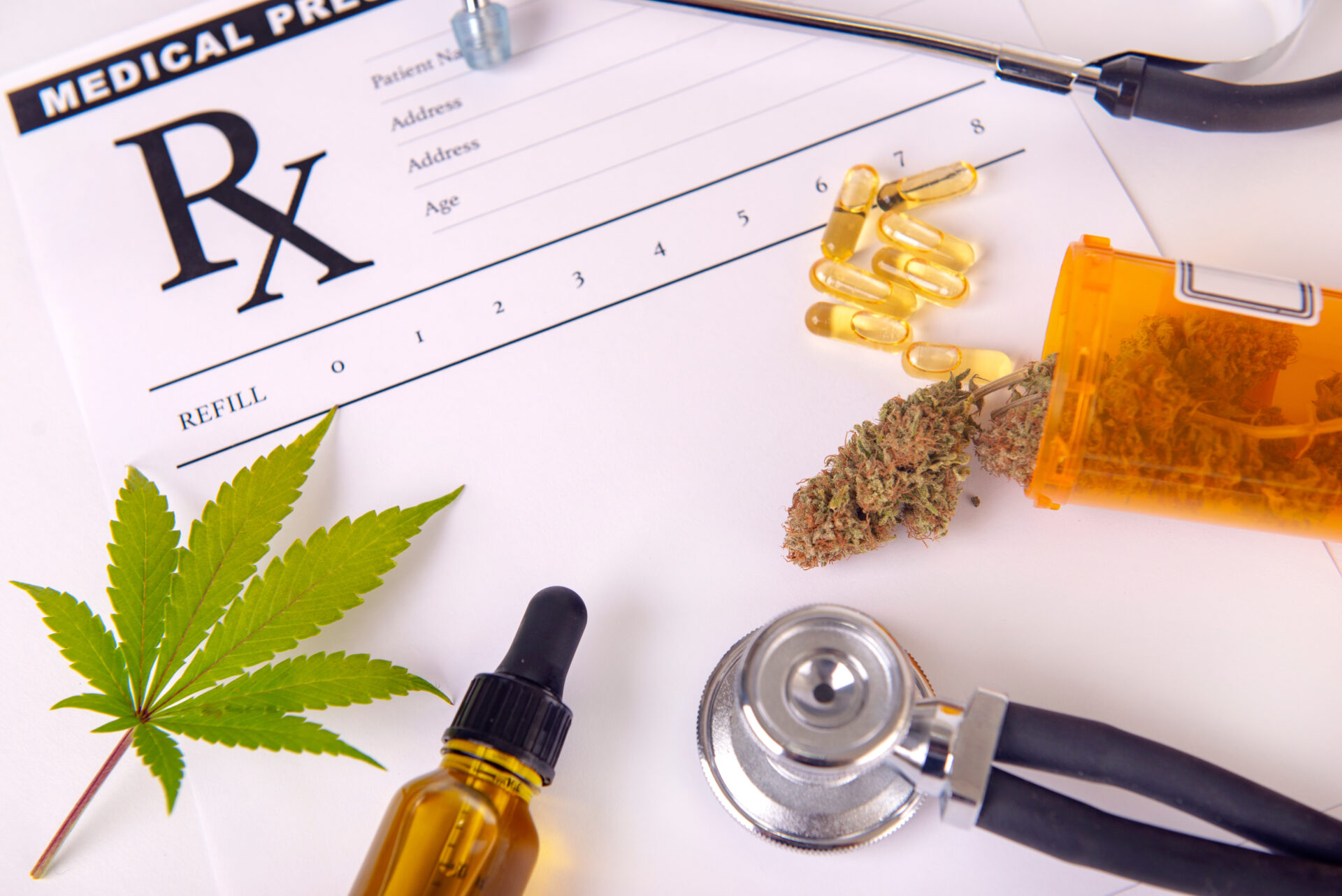

Georgia patients living with chronic pain have expanded access to medical cannabis under Senate Bill 220, a new law that took effect July 1 and significantly expands the state’s medical cannabis program.
Known as the Putting Georgia’s Patients First Act, the legislation adds new qualifying medical conditions, expands available medical cannabis products, extends the validity of Medical Cannabis Registry Cards, and replaces the term “low THC oil” throughout state law with “medical cannabis.”
For nurses, the changes are likely to bring more questions from patients about medical cannabis, chronic pain management, and whether cannabis can reduce reliance on opioid medications.
Research suggests medical cannabis may help some patients manage certain types of chronic pain, but it is not considered a replacement for opioid therapy.
Want to see more Nurse Approved articles in your Google results? Add us as a preferred source.
Add Nurse Approved as apreferred source on Google
Expanded Access, Not Recreational Use
The new law does not legalize recreational marijuana in Georgia.
Patients must still receive certification from a qualified physician and obtain a Medical Cannabis Registry Card before purchasing approved products from licensed dispensaries.
Instead, SB 220 expands eligibility for Georgia’s existing medical cannabis program while modernizing several aspects of state law.
Can Medical Cannabis Reduce Opioid Use?
Chronic pain affects approximately one in four U.S. adults, according to the Centers for Disease Control and Prevention (CDC), making it one of the nation’s leading causes of disability.
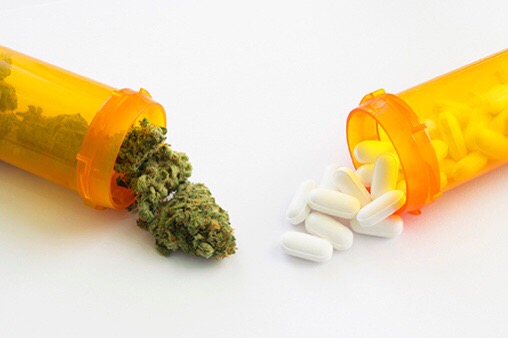
While opioids remain an important treatment option for severe acute pain, cancer pain, and carefully selected patients with chronic pain, concerns about dependence, overdose, and opioid use disorder have fueled interest in alternative therapies. Medical cannabis has emerged as one possible option.
A recent systematic review found cannabinoids may provide small improvements in pain and physical functioning for some adults with chronic pain, particularly neuropathic pain. However, researchers also reported side effects, including dizziness and cognitive impairment, and concluded that any benefits were generally modest.
The CDC likewise states that evidence remains insufficient to conclude marijuana effectively treats most forms of acute or chronic pain. While some studies suggest cannabis may relieve certain types of neuropathic pain, researchers say additional high-quality studies are needed to better understand its effectiveness compared with established pain therapies.
Some patients also report improvements in muscle spasms, chemotherapy-related nausea, and sleep disturbances. At the same time, clinicians must weigh potential risks, including dizziness, impaired judgment, cognitive changes, anxiety, drug interactions, and an increased risk of falls, particularly among older adults and people taking multiple medications.For now, the answer is no.
What This Means for Nurses
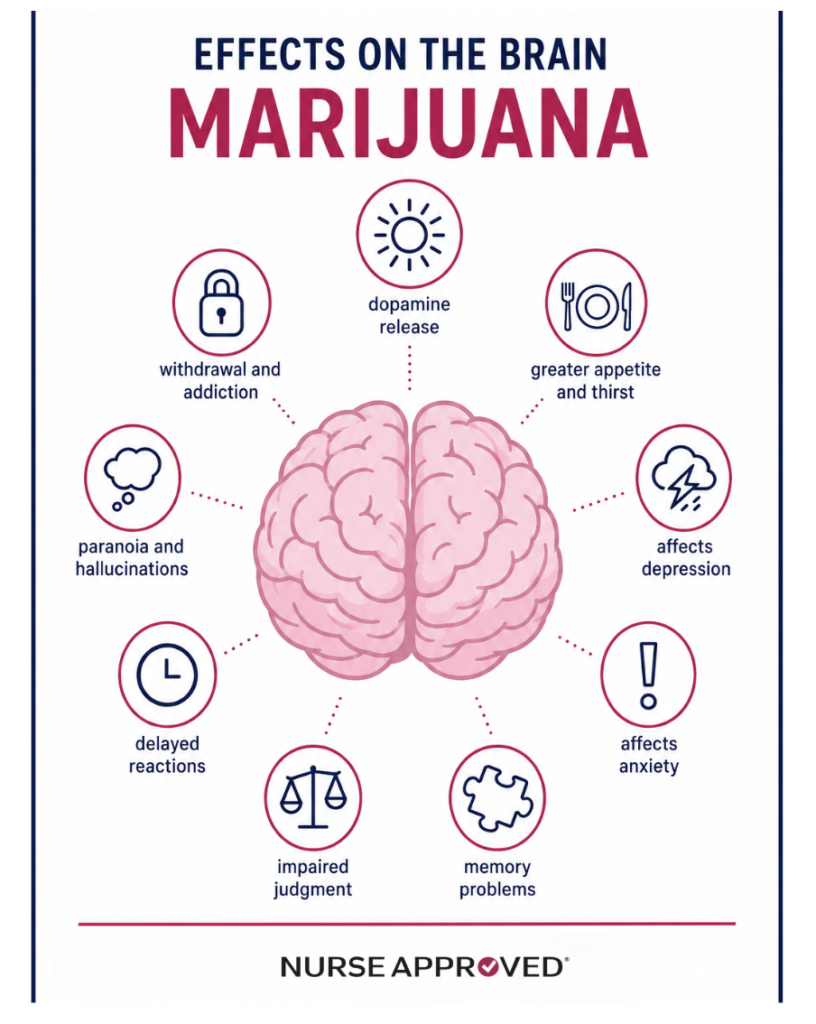
As more Georgia patients become eligible for medical cannabis, nurses will likely receive more questions about its safety, effectiveness, and appropriate use.
Patients may ask whether they qualify for treatment, how cannabis compares with opioids, what side effects to expect, whether it interacts with other medications, or whether it is safe to drive or work while using medical cannabis products.
Although nurses do not certify patients for Georgia’s medical cannabis program, they play an essential role in patient education, medication safety, and helping patients make informed decisions based on current evidence.
The Bottom Line
Georgia’s expanded medical cannabis law reflects a growing national interest in providing patients with additional options for managing chronic pain.
Although medical cannabis may help some patients manage chronic pain and, in some cases, reduce reliance on opioid medications, researchers emphasize that its benefits appear modest and that more high-quality research is needed. At this time, medical cannabis should not be viewed as a replacement for established opioid therapies.
For nurses, the legislation underscores the importance of staying current on evolving state laws and the latest evidence surrounding medical cannabis. As more patients explore cannabis as part of their pain management, nurses will remain on the front lines of patient education—helping patients understand both the potential benefits and limitations of treatment while supporting safe, individualized, evidence-based care. By fostering open, nonjudgmental conversations, nurses can build trust, promote informed decision-making, and help ensure patients receive compassionate, high-quality care.
