

Estimated reading time: 7 minutes
New Orleans is the only city in Louisiana offering the Family Connects nurse home visiting program. The program brings registered nurses directly into families’ homes during one of the most vulnerable periods for mothers and newborns.
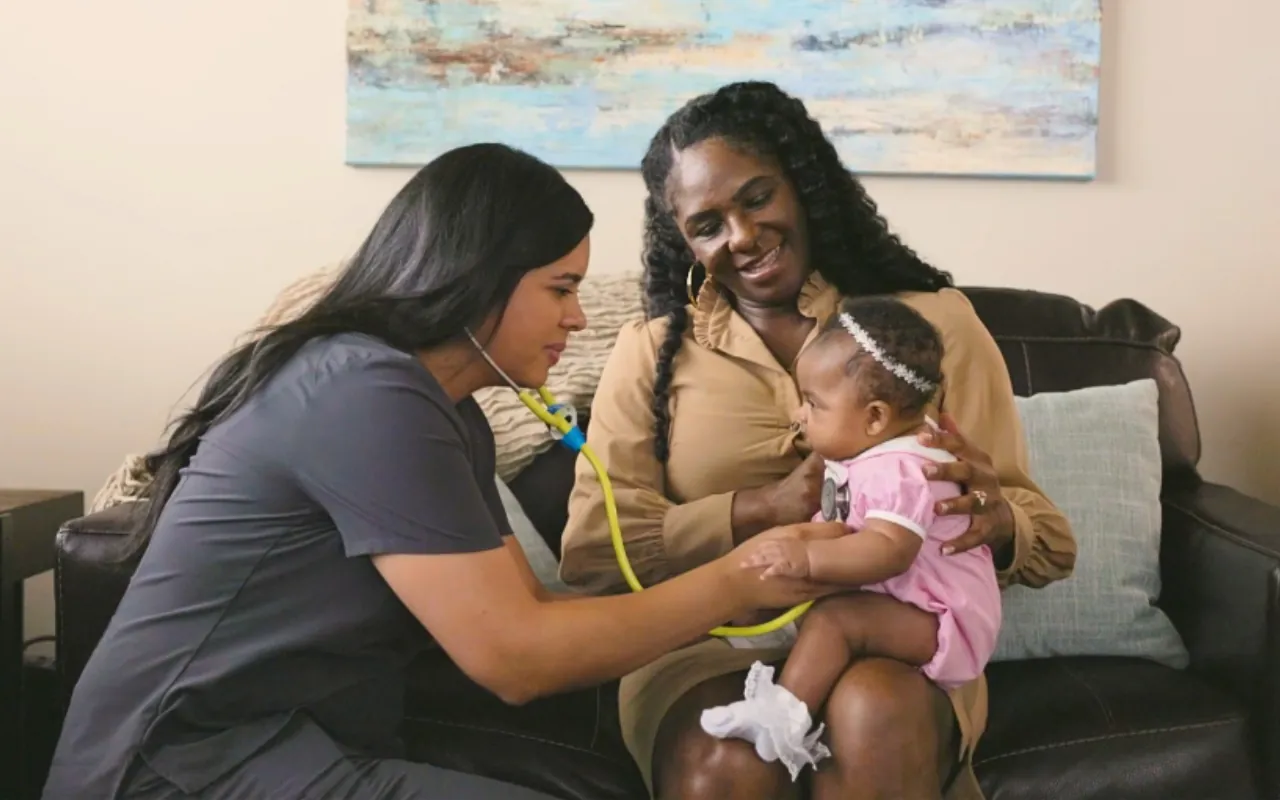
At Touro Hospital – LCMC Health, Family Connects is part of a national nurse home visiting program that provides every family with a free nurse home visit approximately two to three weeks after delivery, regardless of income or background.
During each visit, specially trained registered nurses assess maternal recovery, infant health, breastfeeding, postpartum mental health, household safety, and connect families with healthcare providers and community resources.
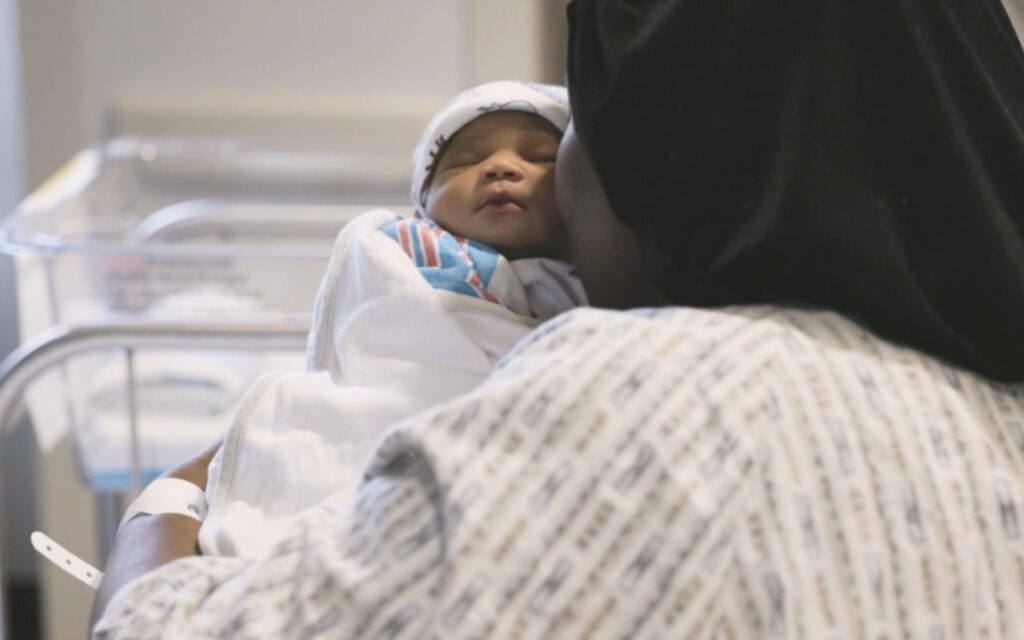
The effort comes as Louisiana continues to face the nation’s highest maternal mortality rate. The state recorded 41.9 maternal deaths per 100,000 live births in 2023, according to The Commonwealth Fund’s analysis of CDC maternal mortality data.
Unlike a postpartum office visit, Family Connects nurses perform comprehensive assessments in the family’s home, evaluating both the mother’s recovery and the infant’s health while identifying barriers that may never be apparent in a clinical setting.
For nurses, those visits offer an opportunity to identify complications early after hospital discharge.
Home Visits Reveal Risks That Hospital Care Cannot
The weeks after discharge can be one of the most vulnerable periods for mothers and newborns.
Katherine August-Autry, MSN, RN, RN Clinical Manager of Family Connects at Touro Hospital – LCMC Health, said many of the most serious postpartum complications develop after families leave the hospital.
“From my perspective, the biggest risks new mothers face are missing or ignoring postpartum warning signs and symptoms, including postpartum pre-eclampsia, hemorrhage, anxiety, and depression. Many also struggle to access follow-up care and the support and resources they need for themselves and their families.”

During home visits, nurses frequently identify elevated blood pressure, symptoms of postpartum anxiety and depression, lack of social support, and barriers to follow-up care. They also screen for maternal mental health concerns, intimate partner violence, and substance use.
“We also assess blood pressure, review warning signs that require medical attention, and discuss any physical symptoms the mother may be experiencing,” August-Autry said.
Nurses also assess infant feeding and weight gain, identifying breastfeeding or lactation challenges early and communicating concerns directly with pediatricians when intervention is needed.
Nurses Are Finding Gaps After Discharge
Despite receiving discharge instructions before leaving the hospital, many families still face significant barriers upon returning home.
Sherrie Gifford, RN, Community Nurse Home Visitor at Touro Hospital – LCMC Health, said nurses routinely encounter postpartum patients who have not scheduled follow-up appointments, newborns who have not yet seen a pediatrician, difficulty accessing formula and WIC services, and families without a safe sleep space for their infant.
“We frequently encounter postpartum patients who do not have their 6-week postpartum visit scheduled and newborns who have not had a pediatrician visit by 2 weeks of age,” Gifford said.
Families also report difficulty affording formula, delays obtaining WIC appointments, and a lack of safe sleep spaces for newborns.

Seeing Patients at Home Changes Nursing Care
Home visits give nurses something they cannot see during a hospital stay or clinic visit: a family’s everyday environment.
“One of the things I love about home visiting is being able to see the family’s real-life environment,” August-Autry said.
“In the home, we can understand their support system and assess barriers to follow-up care, transportation, referrals, and other supports.”
August-Autry said observing families at home allows nurses to identify barriers to care, understand support systems, tailor education, and intervene before problems escalate.
“Challenges are not always visible from the outside, and early intervention can make a significant difference in the health and well-being of both mother and baby.”
One Home Visit Changed the Course of Care
Gifford shared a de-identified example illustrating how home visits can uncover potentially life-threatening problems that routine follow-up may miss.
During a Family Connects visit, a postpartum patient with chronic hypertension was found to have severely elevated blood pressure despite being more than six weeks postpartum and having already completed her postpartum follow-up appointment.
The nurse learned the patient’s pregnancy-related emergency Medicaid coverage had ended before employer-sponsored insurance became available, leaving her unable to afford her prescribed blood pressure medication.
The nursing assessment prompted immediate intervention.
“Our medical director arranged for lower-cost medication prescriptions and placed a referral to establish care with a primary care provider for ongoing blood pressure management,” Gifford said.
She said the case demonstrated how financial and insurance barriers can directly affect maternal health long after hospital discharge.
Home Visits Open Conversations About Mental Health
Families often feel more comfortable discussing mental health in their own homes, creating opportunities for nurses to identify concerns that might otherwise go unspoken.
“Postpartum mental health is one of the most important areas we assess during our visits,” August-Autry said.
“We are discovering that many new parents experience overwhelm, anxiety, and sadness.”
She said parents are often more open to discussing their emotional well-being at home, allowing nurses to better connect them with mental health services. Although stigma still prevents some parents from seeking counseling, meeting families where they live gives nurses an opportunity to explore barriers, discuss treatment options, and help families understand they are not alone.

Lessons for Every Postpartum Nurse
After caring for families across New Orleans, Family Connects nurses say one lesson has become clear.
“One pattern we frequently see is that mothers often underestimate how vulnerable the postpartum period can be,” August-Autry said.
“This shows there is still a need for healthcare professionals, hospital leaders, policy makers, and communities to understand the importance of moms receiving support during this vulnerable time.”
Gifford said bedside nurses can make a meaningful difference before families ever leave the hospital.
“Small steps before discharge, such as confirming appointments, reviewing medications, and connecting families with resources, can make a big difference in preventing complications and improving outcomes for both mothers and infants.”
She also encourages postpartum nurses to introduce Family Connects before discharge because recommendations from trusted nurses can help families feel more comfortable accepting a home visit.
Investing in the Postpartum Transition
August-Autry believes expanding nurse home visits statewide could improve maternal and infant health outcomes across Louisiana.
“If every family across Louisiana had access to a nurse home visit after birth, it would have an enormous impact on maternal and infant health outcomes and the health of the community,” she said.
“Our goal is to leave that mom knowing that there is no such thing as a perfect parent, to give themselves a lot of grace, and that they are doing a better job than they may realize. An investment in mothers, babies, and families during the early postpartum period is an investment in the long-term health of our communities.”
