


Estimated reading time: 5 minutes
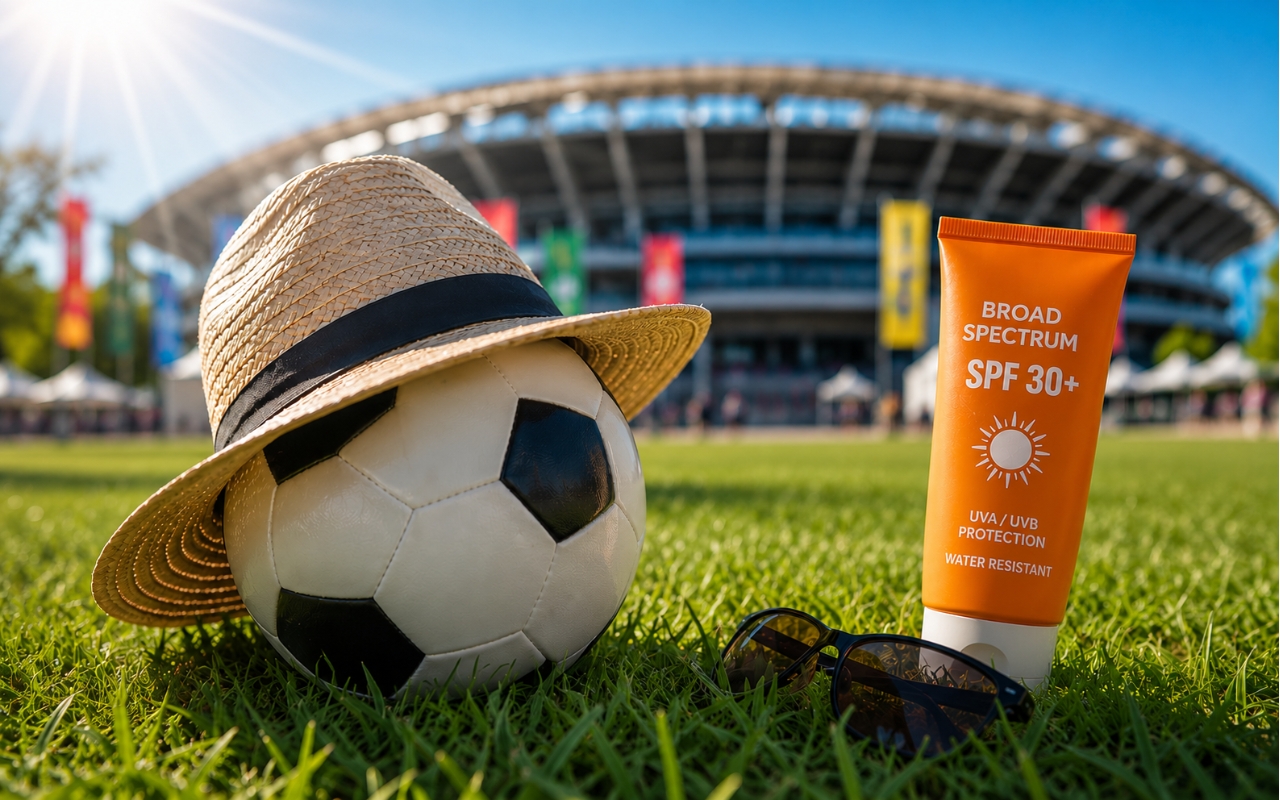
As millions of fans gather for World Cup 2026 matches and fan events across North America, health experts are drawing attention to a less visible threat than heat or dehydration: prolonged UV exposure and its link to skin cancer.
The tournament is unfolding as healthcare leaders spotlight a major advancement in sun protection. The FDA recently approved bemotrizinol, the first new sunscreen ingredient approved in the United States in more than 25 years, giving Americans access to an ingredient used for decades in Europe and Asia.
MetLife Stadium in East Rutherford, New Jersey, which will host the World Cup Final, is among the tournament venues expected to draw massive crowds. As the official healthcare partner for the New York/New Jersey host city, Hackensack Meridian Health is using the event to highlight skin cancer prevention as a public health priority.
First New Sunscreen Ingredient in More Than 25 Years
Dr. Andrew Pecora, co-division chief of Skin Cancer and Sarcoma at the John Theurer Cancer Center at Hackensack University Medical Center, called the FDA approval of bemotrizinol a significant step forward for public health.
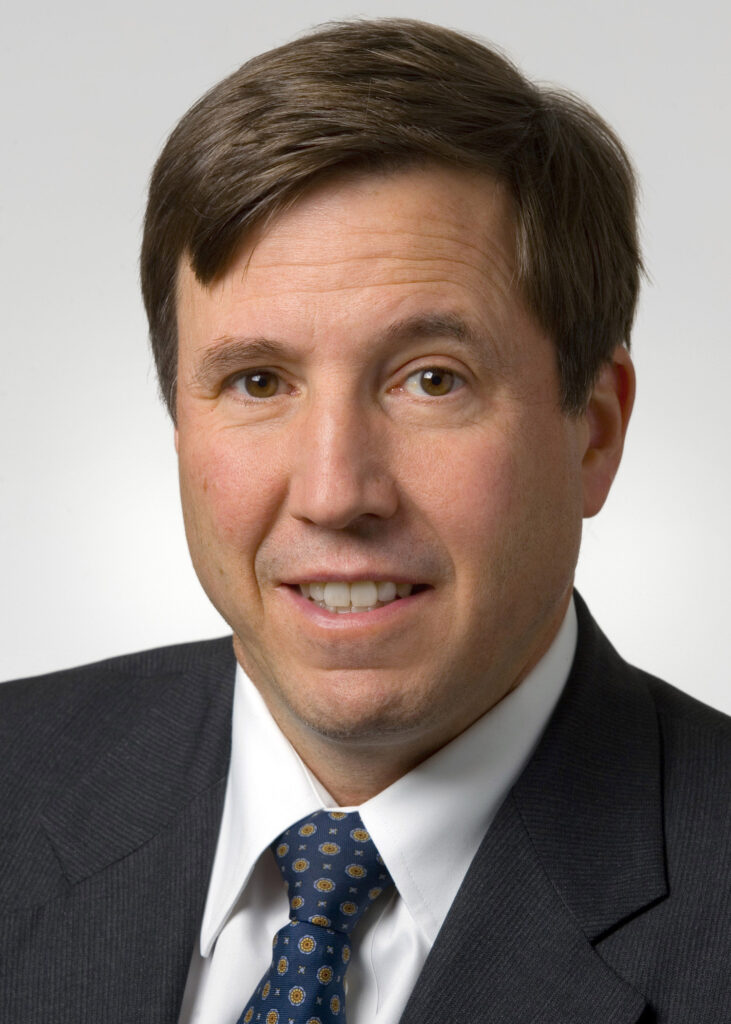
“The recent FDA approval of bemotrizinol, the first new sunscreen ingredient in over 25 years, is a landmark development for public health in the United States, finally giving Americans access to more advanced sun protection that has been available in Europe and Asia for decades,” Pecora said.
Bemotrizinol is a broad-spectrum chemical filter that helps protect against both UVA and UVB radiation.
“This is significant because bemotrizinol is a highly effective, broad-spectrum chemical filter that excels at blocking cancer-causing UVA rays, closing a critical ‘UVA protection gap’ in many current U.S. sunscreens,” Pecora said.
He added that the ingredient is photostable, meaning it does not break down quickly in sunlight, which may provide more reliable protection and support the development of lighter formulations that people are more likely to use consistently.
Skin Cancer Remains a Growing Concern
The timing is particularly relevant as skin cancer rates continue to rise.
An estimated 112,000 new cases of invasive melanoma are projected in the United States in 2026. Research shows a person’s risk for melanoma doubles after more than five sunburns, and five or more blistering sunburns between ages 15 and 20 can increase melanoma risk by 80%.
Prevention remains one of the most effective tools available. Regular daily use of sunscreen with an SPF of 15 or higher has been shown to reduce melanoma risk by 50%, according to findings supported by the American Academy of Dermatology and the Centers for Disease Control and Prevention.
Why World Cup Fans Face Increased UV Exposure
Many people associate serious sun exposure with a day at the beach rather than attending a sporting event. Pecora said that the assumption can be misleading.
“Many people mistakenly believe attending a sporting event is a low-risk activity for sun exposure, but fans at a World Cup match can accumulate a dangerously high and significant dose of UV radiation,” Pecora said.
The risk extends far beyond the match itself.
“The danger lies not just in the 90-minute game itself, but in the cumulative hours spent outdoors in fan zones, tailgating, and waiting in lines, often during peak UV intensity hours from 10 a.m. to 4 p.m.,” he said.
Host cities with intense summer sunlight may present additional challenges.
“In host cities like Dallas and Miami, where the summer UV index is extremely high, studies have shown that exposure during a single football game can be substantial, with some measurements recording doses as high as 406 J/m²,” Pecora said.
He noted that reflective stadium surfaces, sweating, and prolonged outdoor exposure can further increase cumulative UV damage over time.
Common Sunscreen Myths Persist
Pecora said some of the biggest barriers to prevention stem from misconceptions about sunscreen and personal risk.
“A dangerously common belief is that sunscreen is unnecessary on cloudy days or during the winter, yet up to 80% of UV radiation penetrates clouds, and these harmful rays are present year-round,” he said.
Another common misunderstanding involves SPF ratings.
“In reality, SPF measures protection, not duration, and all sunscreens break down with sun exposure and sweat, requiring reapplication at least every two hours to maintain effectiveness.”
He also cautioned against the belief that a “base tan” provides protection.
“Any tan is a visible sign of DNA damage and actively increases skin cancer risk,” Pecora said.
The specialist also pushed back on concerns that sunscreen ingredients are more dangerous than sun exposure.
“Major health organizations confirm that the proven danger of UV radiation far outweighs the potential risks of sunscreen ingredients, and for those still concerned, effective mineral alternatives like zinc oxide and titanium dioxide provide a safe and reliable option,” Pecora said.
What Nurses Can Teach Patients Now
For nurses, the tournament creates a timely opportunity to educate patients about skin cancer prevention and sun safety.
Pecora recommends using a broad-spectrum sunscreen with an SPF of 30 or higher, reapplying it every two hours and more often when sweating. He also advises seeking shade during peak UV hours and wearing protective clothing, a wide-brimmed hat, and UV-blocking sunglasses.
When asked for the single most important piece of advice for World Cup attendees, his answer was simple.
“Before you scan your ticket, reapply your sunscreen right now. The protection you put on hours ago is gone, and this fresh coat is your most important defense against the sun for the next few hours.”
As millions gather outdoors for World Cup 2026, nurses have an opportunity to ensure that conversations about summer health include a threat that is often overlooked but largely preventable: skin cancer.
