

Estimated reading time: 5 minutes
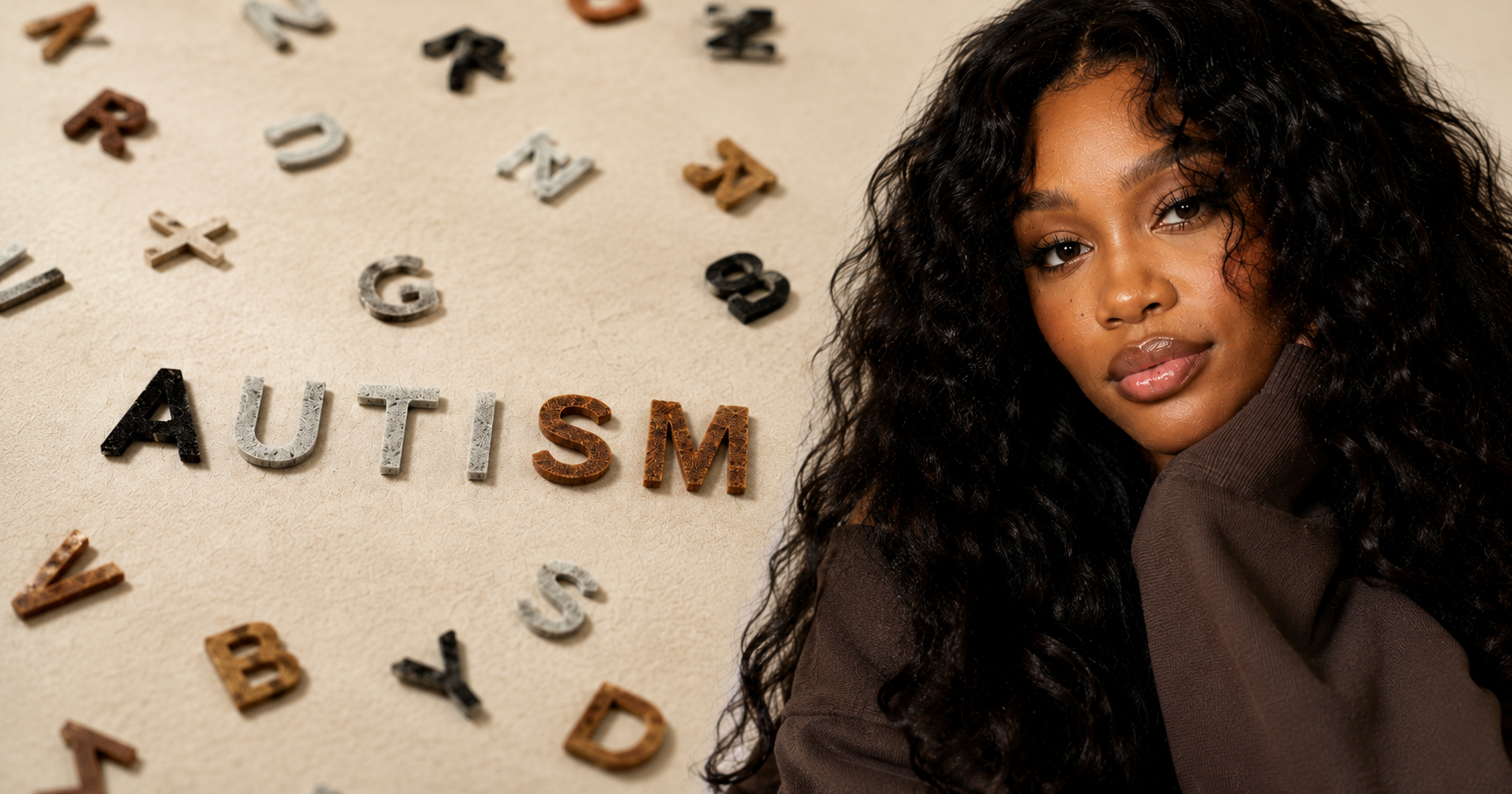
Grammy-winning artist SZA, born Solána Rowe, revealed that she has been diagnosed with autism spectrum disorder (ASD), sparking widespread conversations about autism, late diagnosis, and why many women go undiagnosed until adulthood.
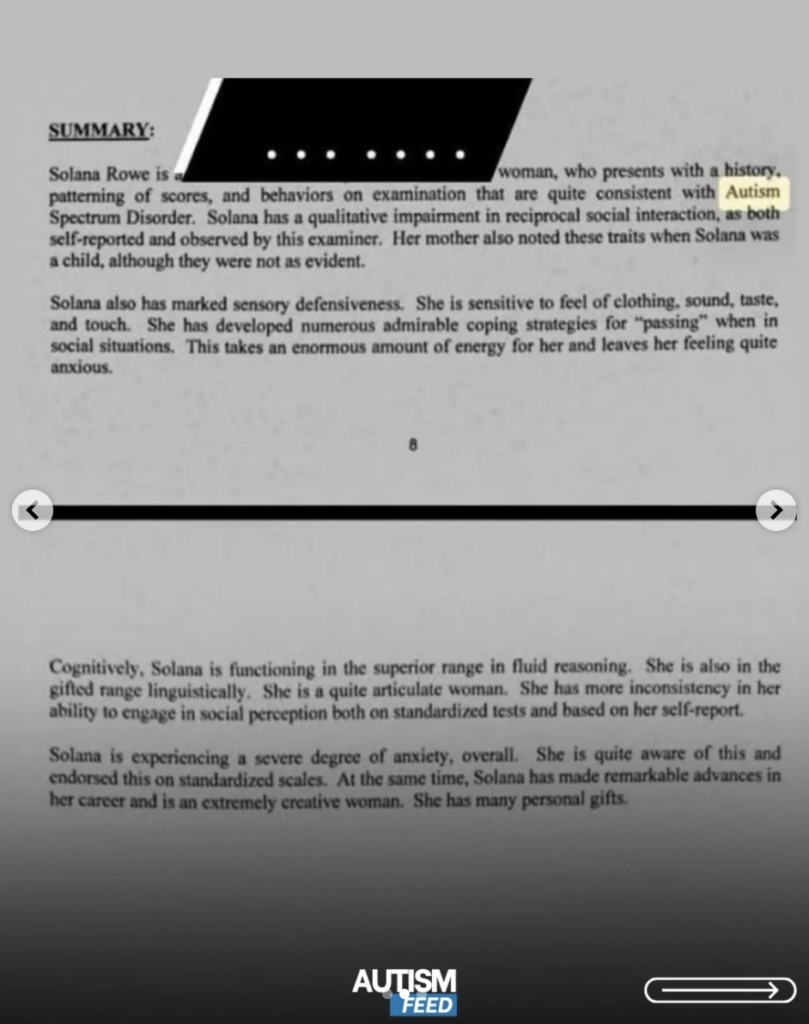
SZA announced her diagnosis on Instagram, sharing a summary of her evaluation with followers. While no two autistic people share the same experience, public disclosures from well-known figures can help broaden understanding of autism spectrum disorder, encourage conversations about late diagnosis, and reduce stigma for adults who may have spent years wondering why they experience the world differently.
Although autism has traditionally been associated with childhood, growing awareness has led more adults, particularly women, to seek evaluation after recognizing lifelong patterns in themselves.
Why Autism Is Often Missed in Women
For decades, autism research focused primarily on boys, shaping how clinicians recognized and diagnosed autism spectrum disorder. As researchers have learned more about how autism presents across different populations, it has become clear that many girls and women display autistic traits differently than the traditional diagnostic profile.
According to the Asperger/Autism Network (AANE), women and girls are more likely to camouflage, or “mask,” autistic traits by consciously adapting their behavior to fit social expectations. While masking may help them navigate social situations, it can also delay diagnosis for years and contribute to anxiety, depression, burnout, and emotional exhaustion.
SZA’s disclosure also highlights an important disparity in autism research. Black women have historically been underrepresented in autism research and are more likely to experience delayed diagnosis or misdiagnosis, making greater awareness especially important.
Relationships Can Present Unique Challenges
Social relationships, including dating and romantic partnerships, can present unique challenges for some autistic adults, particularly when communication styles and social expectations differ from those of neurotypical peers.
Dr. Elizabeth Laugeson, a UCLA clinical psychologist who specializes in helping autistic adults build social and relationship skills, says many people benefit from learning practical, evidence-based strategies for navigating these situations.
“Romantic relationships can be transformative, but for many autistic adults, the path to connection can feel uncertain,” Laugeson said. “Evidence-based tools can help people approach love with confidence, form lasting connections, and improve their overall quality of life.”
Her work demonstrates that communication and social skills can be learned and strengthened, helping autistic adults build meaningful relationships while remaining authentic to themselves.
Autism Often Occurs Alongside Other Conditions
Autism is a lifelong neurodevelopmental condition, but it frequently occurs alongside other medical or mental health conditions.
Research published in the Journal of Psychopathology estimates that approximately 70% of autistic individuals have at least one co-occurring condition, including anxiety disorders, attention-deficit/hyperactivity disorder (ADHD), depression, or learning differences. Recognizing these conditions is an important part of developing an individualized care plan that addresses each person’s unique needs.
In the summary report SZA shared on Instagram, she also noted experiencing severe anxiety.
While anxiety and other co-occurring conditions may be treated, autism itself is not an illness to be cured. Instead, recognizing autism and addressing accompanying conditions can help individuals better understand their strengths, access appropriate support, and improve their overall quality of life.
Should You Consider an Evaluation?
SZA’s story has prompted many people to wonder whether they, too, could be autistic. While increased awareness can help people recognize lifelong traits they may have overlooked, experts caution against drawing conclusions based solely on social media posts.
Autism spectrum disorder is diagnosed through a comprehensive evaluation performed by a qualified healthcare professional, such as a psychologist or psychiatrist. Evaluations consider developmental history, communication patterns, sensory experiences, repetitive behaviors, daily functioning, and other factors rather than relying on a single checklist of symptoms.
Some signs that may warrant discussing an evaluation with a healthcare professional include:
- Longstanding differences in social communication or interpreting social cues
- Sensory sensitivities, such as becoming overwhelmed by loud sounds, certain textures, or bright lights
- Highly focused or intense interests
- A strong preference for routines and significant distress when routines unexpectedly change
- Repetitive movements or behaviors, sometimes called “stimming”
- Feeling that social interactions require significant effort because of masking or consciously adapting behavior
Many of these experiences can also occur in people with ADHD, anxiety disorders, obsessive-compulsive disorder, or other conditions, making a professional evaluation essential for reaching an accurate diagnosis.
Whether someone ultimately receives an autism diagnosis or not, an evaluation can provide valuable insight into their strengths, challenges, and opportunities for support.
What Nurses Should Know
As awareness of autism in adults continues to grow, nurses are uniquely positioned to help patients navigate questions about diagnosis, support, and appropriate referrals.
Although nurses do not diagnose autism, they are often among the first healthcare professionals patients turn to when they have questions about developmental, behavioral, or mental health concerns. Nurses working in primary care, behavioral health, schools, and community settings can play an important role in recognizing potential signs of autism, educating patients and families, reducing stigma, and encouraging referrals for comprehensive evaluation when appropriate.
Stories like SZA’s do not define autism, but they can encourage important conversations that lead people to seek answers, access appropriate care, and better understand themselves. For nurses, those conversations can be the first step toward helping patients receive the evaluation, support, and resources they need.
Nurse Approved reached out to SZA’s representatives for comment regarding her recent disclosure. At the time of publication, her team had not responded to our request for a statement.
