



Conversations about patient safety typically focus on staffing, training, and outcomes. Now, nursing leaders emphasize the equal importance of nurses’ well-being.
Nelson Bautista, RN, of Rockville, Maryland, noticed early in his career that nurses often put their own health aside to care for others.
“Early in my career, I noticed a recurring pattern: nurses fully committed to patient care often carried emotional and physical exhaustion,” Bautista said. “I remember colleagues pushing through long shifts and skipping breaks just to keep things running.”
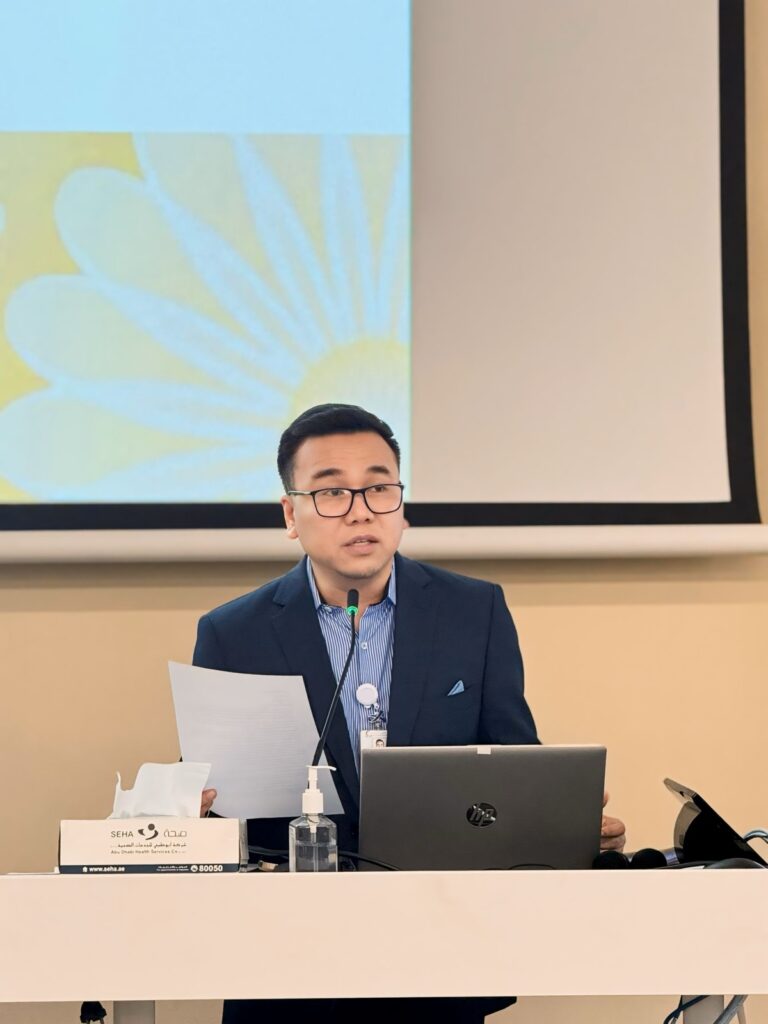
Over time, Bautista recognized that these experiences pointed to a broader issue in healthcare.
“It became clear that while patient care was always prioritized, nurse well-being was often assumed, not actively supported,” he said.
Nurse well-being influences patient safety, according to leaders advocating for better workplace support. Exhaustion, burnout, and emotional strain can affect nurses’ focus, communication, and judgment, while supportive cultures improve morale and care quality.
The growing focus on nurse well-being has expanded across the profession, including within organizations such as Sigma Nursing, where healthcare leaders continue to examine the connection between workforce support and patient outcomes.
Burnout’s Impact on Patient Care
Bautista says the relationship between nurse well-being and patient outcomes is impossible to ignore.
“Nurse well-being is closely linked to patient outcomes. Physical exhaustion or emotional strain can affect focus, clinical judgment, and communication. Burnout increases error risk and can impact patient interactions,” he said.
He added that nurses who feel supported are often better positioned to provide attentive, compassionate care.
“When nurses feel supported and well, they are more present and better able to deliver safe, compassionate, high-quality care,” Bautista said.
Building ‘Your Health First’
Those observations eventually inspired Bautista to help launch “Your Health First,” a nurse well-being initiative developed during his time working in the Middle East before transitioning to the United States.
“The inspiration came from seeing nurses give so much without structured support. I wanted to create something proactive to help them maintain health while caring for others,” Bautista said.
At the center of the initiative was a philosophy Bautista says remains critical today.
“Supporting nurses is essential to sustaining the profession and improving care—not a luxury,” he said.
The program focused on integrating well-being support into daily clinical practice.
The initiative emphasized unit-based implementation, allowing nurses to shape activities around their needs with leadership support.
“It empowers nurses to create activities reflecting their real needs, with leadership support and buy-in,” he explained.
The effort included well-being education, emotional support resources, staff engagement activities, and safe spaces for open discussions.
“Leadership and peer support help make well-being consistent and part of the culture—not just a one-time effort,” Bautista said.
Shifting the Mindset Around Well-Being
Bautista says one of the most meaningful outcomes has been hearing nurses say they finally feel comfortable prioritizing their own well-being.
“Many nurses say they feel more seen and supported. The most meaningful feedback is when they say the program helped them feel it’s okay to prioritize their own well-being,” he said.
He says the shift reflects a broader change in healthcare environments where self-sacrifice has long been normalized.
“That shift in mindset is powerful—moving well-being from afterthought to intention,” Bautista said.
Still, implementing well-being initiatives inside healthcare systems is not always easy.
“A main challenge is the perception that well-being initiatives take time from clinical work; in reality, they support those responsibilities,” Bautista said.
He also cited staffing shortages, workload demands, and competing priorities as ongoing barriers.
“Another challenge is shifting from seeing well-being as optional to essential for unit management. Cultural change takes time but is necessary,” he said.
What a Supportive Nursing Culture Looks Like
Bautista says organizations that genuinely support nurses demonstrate it through daily actions rather than just mission statements.
“A supportive culture is one where nurses feel safe, valued, and heard, seen in daily actions—leaders who listen, supportive teams, and systems that enable effective care,” he said.
He says practical support matters just as much as emotional support.
“It also includes practical elements like manageable workloads, access to resources, and rest opportunities. It’s not just what is said, but what is practiced,” Bautista said.
According to Bautista, those efforts can positively influence communication, morale, and team dynamics.
“We’ve seen improved team engagement, communication, and morale. Nurses are more open about concerns and support each other,” he said.
While retention challenges remain complex, Bautista believes supportive environments contribute to a stronger sense of belonging among nurses.
“It helps nurses feel they are part of something meaningful and that their well-being matters,” he said.
A Workforce Issue With System-Wide Consequences
Bautista says the conversation around nurse well-being ultimately reflects how healthcare systems value their workforce.
“Healthcare systems rely on nurses, but have historically focused more on outcomes than the people delivering them,” he said.
He believes organizations that prioritize well-being send a broader message about how they view nurses within the healthcare system.
“Prioritizing nurse well-being reflects how an organization truly values its workforce—not just for what they do, but who they are,” Bautista said.
For nurse leaders looking to strengthen support systems, Bautista recommends beginning with direct conversations with frontline staff.
“Start by listening,” he said. “Understand what your nurses are experiencing on the ground.”
He said even small, consistent actions can make a meaningful difference.
“Recognition, open communication, and space for rest and support all matter,” Bautista said, adding that well-being should be part of daily operations, not just an added initiative.
“It should not be treated as an add-on, but as part of how care is delivered and how teams function,” he said.
At the center of the issue, Bautista says, is a reality that affects everyone in healthcare.
“I wish more people understood that caring for nurses goes beyond supporting individual staff—it is fundamentally about patient safety,” he said. “When nurses are supported, patient outcomes improve. Well-being is a shared responsibility that ensures safe care across the healthcare system.”
