

Estimated reading time: 6 minutes
Experienced registered nurses bring years of clinical knowledge and patient care experience to advanced practice. But becoming a nurse practitioner requires a fundamental shift in how they assess patients, make treatment decisions, and take responsibility for care.
Want to see more Nurse Approved articles in your Google results? Add us as a preferred source.
Add Nurse Approved as apreferred source on Google
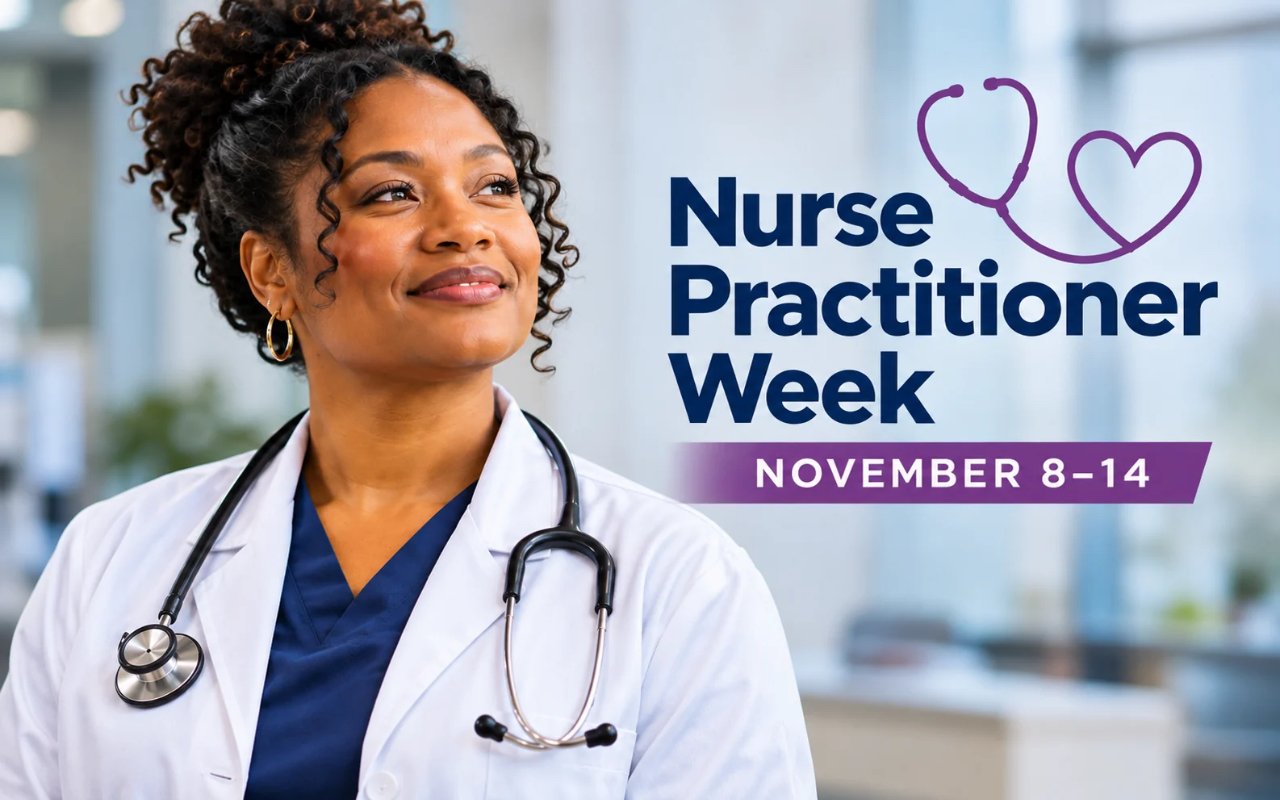
As National Nurse Practitioner Week, November 8–14, recognizes the contributions of NPs to healthcare, experienced practitioners are sharing what they wish they had known before making the transition from RN to NP.
Their experiences point to a clear takeaway: Nursing experience is a strong foundation, but confidence in advanced practice takes time, mentorship, and a willingness to think differently about patient care.
Becoming an NP Requires a Different Kind of Clinical Thinking
For Tavi Schlueter, MSN, RN, CPNP-PC, PMHS, who has more than 15 years of NP experience, the biggest adjustment was understanding how dramatically clinical responsibilities change.
“I wish someone had emphasized that becoming an NP isn’t just an extension of being an RN. It’s a significant shift in how you think, make decisions, and take responsibility for patient care.”
Schlueter, director of growth initiatives at CollabDocs, previously worked as a lead nurse practitioner in an inpatient pediatric setting, caring for children with complex medical and psychiatric needs.
She explains that while RNs develop strong assessment skills and learn to recognize changes in patients’ conditions, NPs must go further by developing differential diagnoses, determining treatment plans, and evaluating the implications of those decisions.
During her first year as an NP, Schlueter worked in long-term care and urgent care, settings that demanded different approaches to patient management.
Although she felt prepared to assess patients and develop differential diagnoses, she discovered that managing complex treatment decisions required more experience.
Knowing the first-line treatment was one thing. Deciding what to do when a patient had multiple medical conditions or responded unexpectedly to treatment was another.
Learning to Make Decisions When the Answers Aren’t Clear
Miki Miura, DNP, APRN, FNP-C, a nurse practitioner at Waianae Coast Comprehensive Health Center in Hawaii, experienced a similar adjustment.
Her background included pediatric intensive care, acute care, and primary care nursing. Those experiences provided a strong clinical foundation, but becoming responsible for diagnosis and treatment required a new approach.
“I needed to retrain my brain to make decisions efficiently.”
During her first year, Miura spent extra time reviewing treatment plans, lab orders, and documentation to ensure she made appropriate decisions.
Feedback from an experienced supervisor helped her build confidence. She also learned from following patients through specialist referrals and seeing that specialists often reached the same conclusions she had.
“My advice to NP students and new NPs is to give yourself time to grow into the role. Being thoughtful and thorough is a strength, especially early in your career. Efficiency comes with experience, but that commitment to getting it right for your patients is something you should never lose.”
Maria Baum, FNP-BC, MSN, a clinical resource at Midwest Express Clinic with more than a decade of NP experience, says the transition also requires becoming comfortable with uncertainty.
Working in urgent care, she encounters patients with a wide range of complaints, not all of which have straightforward answers.
“There’s a big difference between understanding why a provider ordered something and being the person responsible for deciding what needs to be ordered in the first place.”
Why Mentorship Matters for New NPs
Shebna N. Osanmoh I, PMHNP-BC, a psychiatric mental health nurse practitioner at Savant Care who has practiced as an NP since December 2019, says experienced nurses should not assume they must have every answer when entering advanced practice.
His background includes psychiatric nursing, emergency care, hospice, and case management.
“You can be a very experienced nurse, but that does not always mean that you know everything once you become an NP. You have to make new decisions, so I would tell someone starting out to ask questions rather than feel they should already know everything.”
Osanmoh recommends that nurses evaluate the support available before accepting their first NP position, including who will answer clinical questions and what guidance the organization provides.
Schlueter credits experienced physicians and fellow NPs with helping her navigate challenging cases early in her career. Their willingness to discuss clinical reasoning and treatment decisions helped her build confidence.
Navi Hughes, PMHNP-BC, founder of Empower Mental Health, also found mentorship more important during the transition than she expected.
Hughes became an NP in 2022 after eight years of bedside nursing experience in intensive care, progressive care, and emergency nursing.
“I didn’t realize how badly I needed mentorship. The mentor doesn’t always have to be your supervising physician or the owner of the practice, because a lot of times they don’t have time. They’re seeing patients too. Find your own colleagues and mentors outside of that.”
She encourages new NPs to acknowledge when they need more information rather than feeling pressured to answer immediately.
Nursing Experience Remains a Powerful Foundation
Although the transition brings new responsibilities, the NPs emphasized that their nursing backgrounds continue to shape how they practice.
For Hughes, bedside nursing developed the investigative skills and patient-centered perspective she brings to psychiatric care.
“Being an RN helped me bring the human. It helped me ask more questions about patients’ lifestyles, not just their medications. Nurses do that best. We have really good investigative skills.”
Miura says her acute care experience was particularly valuable because it taught her how quickly seemingly stable patients can deteriorate.
Even in primary care, that awareness helps inform her clinical decisions.
Schlueter credits her early healthcare experience with strengthening her ability to advocate for patients, communicate across disciplines, and coordinate complex care.
Those skills became especially important in pediatric practice, where treatment decisions frequently involve patients, families, specialists, and other members of the healthcare team.
What to Look for in Your First NP Position
For nurses preparing to enter advanced practice, experienced NPs recommend looking beyond specialty and education to evaluate the working environment before accepting a job.
Schlueter advises new graduates to consider orientation, mentorship, patient complexity, and the expectations placed on inexperienced providers.
“When evaluating your first NP position, look beyond compensation. Consider the orientation process, access to experienced clinicians, opportunities for mentorship, patient complexity, and whether the practice has realistic expectations for someone entering the role.”
Osanmoh recommends speaking with NPs already working in a desired specialty to understand their typical responsibilities.
Baum encourages new practitioners to find organizations that support professional development and offer opportunities to grow beyond direct patient care.
Miura says she would make the same decision to become an NP again.
“It’s going to be the best decision you’ll make in your life.”
Her experience illustrates how greater clinical responsibility can also bring opportunities for professional autonomy, leadership, and a broader impact on patient care.
What Nurses Should Know Before Becoming an NP
The transition from RN to NP isn’t simply about earning another credential. It requires developing new clinical reasoning skills, accepting greater responsibility for treatment decisions, and learning to manage uncertainty.
For nurses considering advanced practice, understanding those challenges before enrolling in graduate school or accepting a first NP position can help them make more informed career decisions.
For those already making the transition, the experiences of seasoned NPs offer an important lesson: Clinical confidence develops through experience, collaboration, and continued learning.
Becoming an NP may change how nurses practice, but knowing when to ask questions, seek guidance, and keep learning remains essential to providing safe, effective care.
