
Estimated reading time: 5 minutes
While completing her nurse practitioner education, Terry Bartmus, DNP, APRN, FNP-BC, PMHNP-BC, ENP-C, developed a diabetes treatment plan for an uninsured patient who could not afford expensive medications.
Want to see more Nurse Approved articles in your Google results? Add us as a preferred source.
Add Nurse Approved as apreferred source on Google
Her professor challenged the plan because it didn’t follow recommended guidelines that called for a newer medication costing about $300 a month.
The experience stayed with Bartmus, now an assistant professor at Touro University Nevada and an emergency nurse practitioner with Fremont Emergency Services in Las Vegas. It taught her that clinical recommendations and the realities of patients’ lives do not always align.
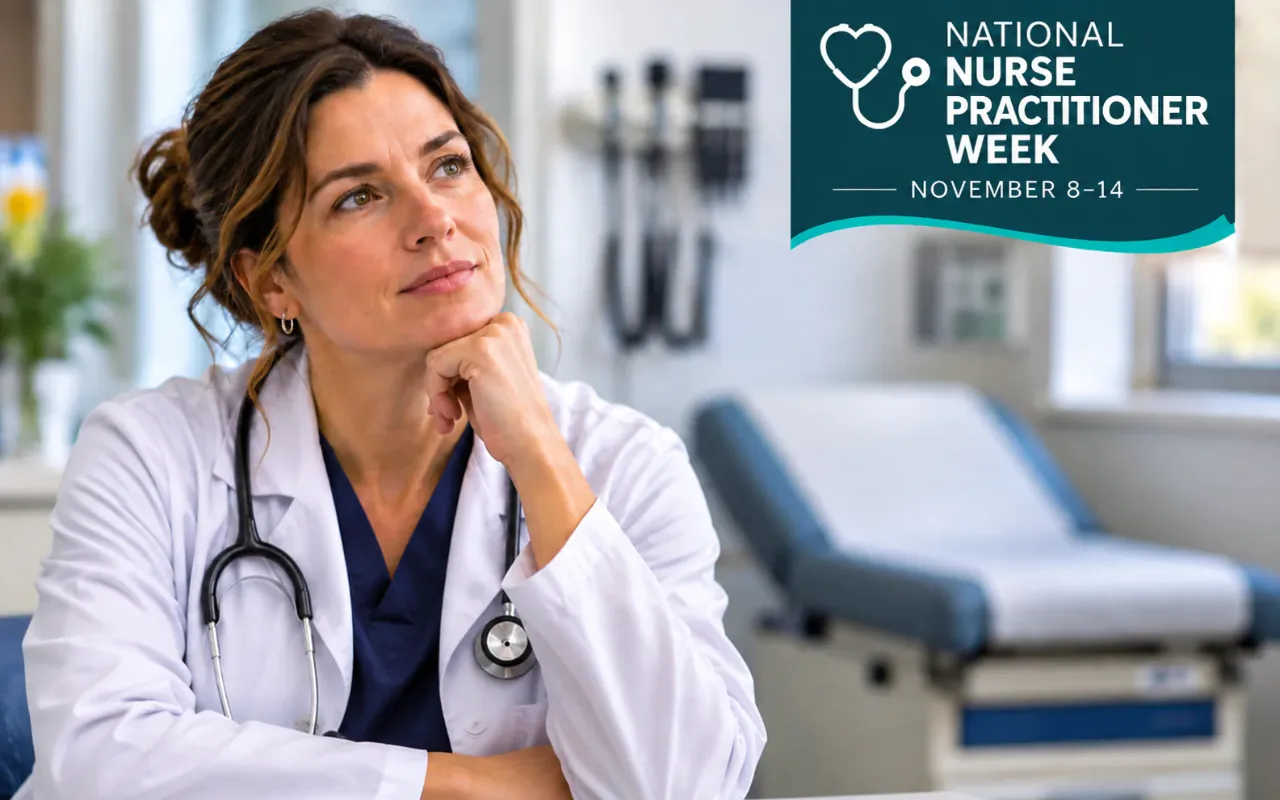
As National Nurse Practitioner Week, November 8–14, recognizes the contributions of NPs to healthcare, experienced practitioners are revealing some of the challenges they never anticipated when entering advanced practice.
From insurance restrictions and financial hardship to productivity pressures and difficult patient conversations, their experiences show why becoming an NP involves far more than diagnosing illnesses and prescribing treatments.
When Patients Can’t Afford the Recommended Treatment
For Bartmus, one of the most important lessons of advanced practice has been recognizing the difference between recommending treatment and ensuring a patient can follow it.
Clinical guidelines provide a foundation for care, but financial and social circumstances can complicate even well-developed treatment plans.
Patients may lack insurance, transportation, stable housing, or access to medications and specialists.
Bartmus has encountered those barriers throughout her work in emergency medicine and psychiatric mental health, including in rural and underserved communities.
She recalls treating a patient in a rural emergency department who needed mental health services unavailable locally. The nearest services were in another town, but the patient had no transportation.
Finding a workable solution required multiple phone calls and conversations.
“What surprised me most is what still surprises me now, and that is how much of my time in patient care is spent helping patients navigate the healthcare system.”
For NPs, understanding whether patients can access recommended care is essential to realistic treatment plans.
Good Clinical Decisions Don’t Always Make Patients Happy
Maria Baum, FNP-BC, MSN, a clinical resource at Midwest Express Clinic with more than a decade of NP experience, discovered another challenge early in her career: Clinically appropriate care doesn’t always satisfy patients.
In urgent care, patients sometimes arrive expecting antibiotics or steroids, even when those medications are not indicated.
Baum initially struggled to balance her clinical judgment with her desire for patients to leave appointments satisfied.
“I wish someone had told me that you can do everything right clinically and still have a patient leave unhappy.”
Over time, she became more comfortable explaining why a requested treatment might be unnecessary or inappropriate.
Those conversations require confidence, particularly for new NPs adjusting to greater responsibility for clinical decisions.
“Being a good provider doesn’t always mean making everyone happy, and knowing when not to treat is just as important as knowing when to treat.”
Her experience underscores a key distinction for nurses entering advanced practice: Patient satisfaction and appropriate clinical care are not always the same thing.
The Pressure of 15-Minute Appointments
For Navi Hughes, PMHNP-BC, founder of Empower Mental Health, the pace of patient care was among the biggest surprises after becoming an NP in 2022.
Hughes had spent eight years working in intensive care, progressive care, and emergency nursing before transitioning to psychiatric mental health practice.
During her early years as an NP, she struggled with appointments scheduled just 15 to 20 minutes apart.
“It felt like a production line: 15- to 20-minute visits back to back, trying to mentally process their life and prescribe meds all at the same time.”
The pressure was particularly challenging in psychiatric care, where understanding symptoms, treatment responses, and patients’ circumstances often requires substantial discussion.
Hughes also encountered insurance restrictions and medication rejections that complicated treatment decisions.
“What really surprised me was dealing with insurance companies, how much critical thinking it takes, and how many rejections there are. You’re not just prescribing medication. You’re up against an entire system.”
Those experiences influenced how she eventually structured her own practice. She began offering different appointment lengths based on patient complexity rather than using the same time allotment for every visit.
Her experience shows how scheduling and administrative demands can affect an NP’s ability to deliver individualized care.
The Professional Responsibilities Beyond Patient Care
Tavi Schlueter, MSN, RN, CPNP-PC, PMHS, says she wishes she had understood more about the administrative and professional responsibilities associated with advanced practice.
Schlueter, director of growth initiatives at CollabDocs, has more than 15 years of NP experience, including extensive work in pediatric care.
Early in her career, she focused on strengthening her clinical judgment and treatment decisions. Looking back, she believes she should have learned more about state practice requirements, credentialing, malpractice coverage, and collaborative agreements.
Those responsibilities can influence where and how NPs practice, as well as the support available to them.
“Clinical competence is essential, but understanding the broader landscape of advanced practice is equally important to building a successful, sustainable career.”
Schlueter advises nurses evaluating their first NP position to consider orientation, mentorship, patient complexity, and organizational expectations alongside compensation as they prepare for these broader responsibilities.
Learning You Can’t Fix Every Problem
Bartmus says another difficult lesson was accepting that she could not resolve every problem affecting her patients.
In emergency care, she has encountered patients who needed hospitalization but wanted to leave because of financial concerns or responsibilities at home.
When patients declined admission, she discussed the risks and the circumstances influencing their decisions. In some cases, she followed up by phone after they left.
The experiences reinforced the importance of listening and understanding the barriers patients face.
They also taught her the value of knowing which community resources might help patients obtain medications, transportation, housing assistance, or follow-up care.
For nurses entering advanced practice, that knowledge can be as valuable as familiarity with clinical treatment options.
What New NPs Should Know
The experiences of Bartmus, Baum, Hughes, and Schlueter highlight challenges that may receive less attention during graduate education but shape everyday NP practice.
Their advice for nurses considering advanced practice extends beyond developing diagnostic and prescribing skills. It includes understanding barriers to healthcare access, evaluating workplace expectations, seeking experienced mentors, and becoming comfortable with difficult clinical conversations.
The transition from RN to NP brings greater responsibility for patient care, but it also requires navigating the circumstances that determine whether patients can receive and follow recommended treatment.
Effective advanced practice requires more than knowing what treatment a patient needs. It also means understanding what stands in the way of delivering it.
