Estimated reading time: 7 minutes
Infectious disease preparedness and health equity may seem like very different challenges, but together they are helping define the future of nursing.
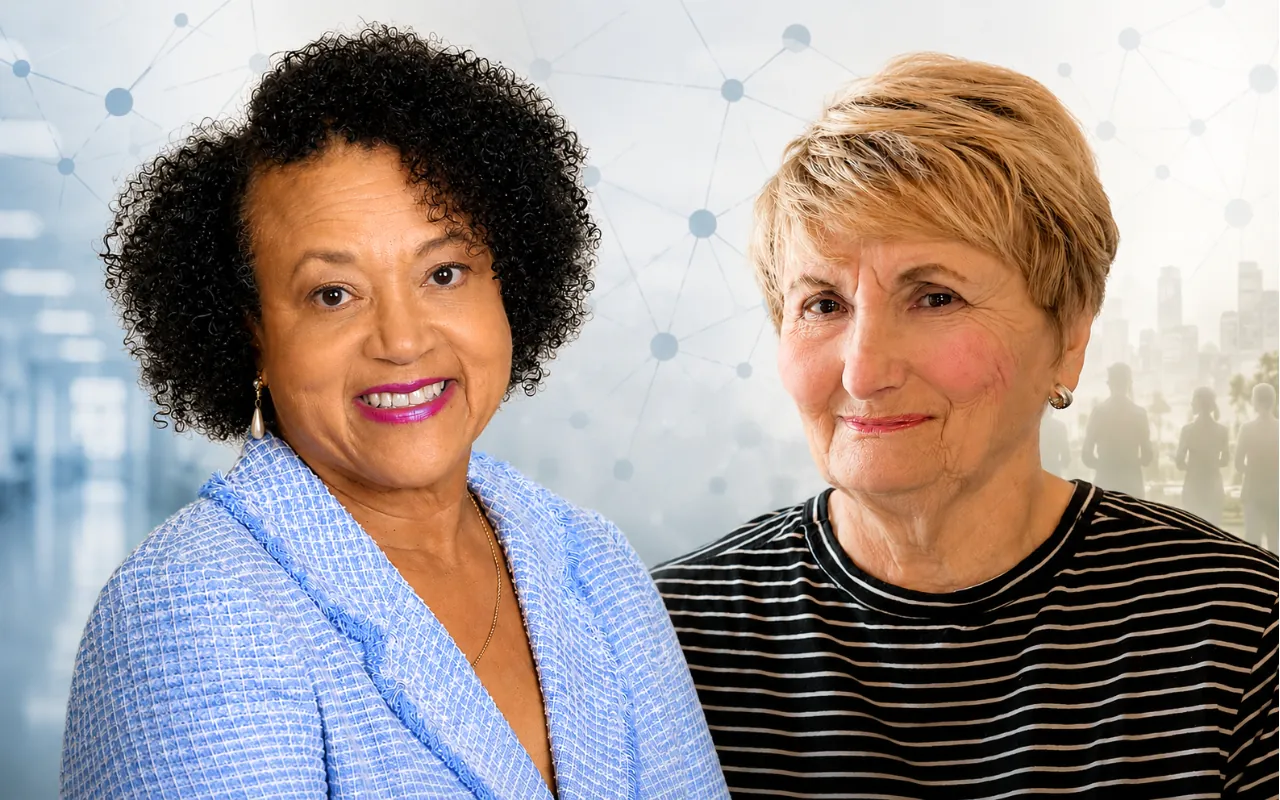
That message is clear in this year’s American Nurses Association (ANA) Hall of Fame class, which honors two nurses whose careers helped shape those priorities. As the ANA celebrates the 50th anniversary of its Hall of Fame and its 130th anniversary, Barbara Russell, MPH, BSHSA, RN, CIC, FAPIC, is being recognized for her work in infectious disease prevention and emergency preparedness, including the Ebola response. Debra Toney, PhD, RN, FADLN, FAAN, is being honored for decades of leadership advancing health equity, developing nurse leaders, and improving care for underserved communities.
Together, their careers illustrate how nurses are shaping public health, emergency preparedness, community advocacy, and healthcare policy, not just bedside care.
The Future of Nursing Starts Before the Next Crisis
“Nurses often make the greatest impact where healthcare is most urgently tested: when a community is facing crisis and when people are left behind,” said Jennifer Mensik Kennedy, PhD, MBA, RN, NEA-BC, FAAN, president of the American Nurses Association. “Infectious disease preparedness underscores what nurses proved again in recent years: we are the constant, trusted presence who can translate science into safe, practical care at the bedside and in the community. Health equity is a reminder that outcomes aren’t just about what happens inside a hospital; they’re shaped by access, trust, and the conditions in which people live and work.”
For today’s nurses, those priorities are no longer confined to specialty practice. Today, those priorities are no longer confined to specialty practice. They have become part of everyday nursing, whether responding to emerging infectious diseases, reducing barriers to care, or helping shape healthier communities.
Preparedness Is More Than a Plan
For Russell, one of nursing’s most enduring lessons from the 2014 Ebola outbreak is that preparedness begins long before the next public health emergency.
“When the Ebola outbreak occurred in 2014, most nurses knew nothing or very little about Ebola,” Russell said. “Emphasis on Disaster Preparedness was just increasing to respond to any potential emergency, incident, or hazard. Ebola was not specifically mentioned; however, depending on any healthcare facility’s preparedness plan, the principles of Emergency Preparedness could be applied. The lesson learned is to be familiar with your workplace Preparedness Plan.”
Although few nurses will ever care for a patient with Ebola, Russell says the principles learned during that response apply to every infectious disease threat.
“Every nurse should understand how the suspected or known disease is transmitted and what personal protective equipment (PPE) they should wear if they are preparing for any type of infectious event,” she said. “Since 2014, education has increased. The role of the Infection Preventionist is to ensure staff are educated on the principles of preparedness, including the current threat. Ebola is not a common illness and is not usually emphasized in routine training.”
Those lessons have become even more important as healthcare organizations confront emerging infectious diseases, antimicrobial resistance, and increasing reporting requirements for healthcare-associated infections.
“The role continues to be more important than ever due to preparation for outbreaks such as Ebola, the increase in bacteria and viruses becoming resistant to antibiotics and antifungal drugs previously used to treat infections, federal requirement to report certain healthcare acquired infections (HAI’s) to the CDC, etc.”
Russell also encourages nurses interested in infection prevention and emergency preparedness to pursue additional education, become active in professional organizations, and seek leadership opportunities before the next crisis arrives.
Her work demonstrates that preparation does not begin when an outbreak reaches a hospital. It begins years earlier through education, planning, and a commitment to protecting patients, colleagues, and communities.
That same forward-looking approach also defines Debra Toney’s work, with a focus on another challenge that continues to influence healthcare nationwide: improving health equity.
Health Equity Starts in Every Community
Like Russell, Toney has spent her career preparing nurses to meet challenges beyond traditional patient care. Her work has focused on eliminating health disparities, developing future nurse leaders, and ensuring that quality healthcare reaches every community.
For Toney, improving health equity begins by recognizing that many of the factors influencing health occur long before patients enter a hospital or clinic.
“Nurses have the greatest opportunity to improve health equity by addressing the social factors that influence health and by advocating for equitable policies and access to care,” Toney said. “Because nurses are trusted professionals who work in every community, we are uniquely positioned to identify disparities, build meaningful partnerships, and ensure that every individual has the opportunity to achieve their best possible health. Whether at the bedside, in the boardroom, or in the halls of government, nurses have both the responsibility and the opportunity to advance equity and improve health outcomes for all.”
That philosophy has guided Toney’s work, from bedside nursing and executive leadership to advocacy, public policy, and mentoring future nurse leaders. She believes improving health outcomes requires nurses to influence not only clinical care, but also the systems and policies that determine whether patients can access care in the first place.
Preparing nurses to meet those challenges, she said, is equally important.
“Tomorrow’s nursing leaders will need the courage to advocate for patients, nurses, and ethical care, even when the conversations are difficult,” she said. “They must be adaptable and lead confidently through the constant changes in healthcare, technology, and the evolving needs of communities. Emotional intelligence will be essential to building trust, fostering collaboration, and supporting high-performing teams. They will also need strategic thinking to anticipate future challenges and identify opportunities for innovation and improvement. Finally, a commitment to mentorship will be critical to developing, empowering, and inspiring the next generation of nursing leaders.”
For Toney, leadership begins long before a nurse earns a management title.
“My advice is to never underestimate the power of your nursing voice. Excellence at the bedside is the foundation; it’s a must, but your influence doesn’t have to stop there. When an opportunity to serve on a committee becomes available, say yes; a board, say yes; become active in your professional nursing association; seek mentors; and continue learning. Be willing to speak up for your patients, your profession, and your communities.”
“If we want to improve health outcomes, we must be willing to help shape the policies and systems that influence care. Every nurse has the ability to lead and make a difference regardless of their title.”
Leadership That Strengthens Healthcare
Although Russell and Toney built their careers in different specialties, their work points to the same conclusion: nursing’s influence continues to expand beyond direct patient care and into the systems that shape it.
Whether preparing hospitals for the next infectious disease outbreak or working to eliminate barriers to healthcare, both have demonstrated how nurses can improve patient outcomes by strengthening the systems that support care.
Mensik Kennedy said those careers demonstrate why recognizing nursing leadership matters.
“The ANA Hall of Fame isn’t only about honoring the past,” she said. “It highlights what patients gain when nursing knowledge drives decisions: safer care, stronger systems, and better outcomes for everyone.”
Looking ahead, Mensik Kennedy said nurses will continue to play critical leadership roles in public health, preparedness, community-based care, health equity, and healthcare policy because those closest to patients should help shape the decisions that affect their care.
This year’s inductees show that nursing’s future will be shaped not only by clinical excellence, but also by leadership that strengthens communities, influences policy, advances public health, and prepares healthcare systems for the challenges ahead.
Russell said the honor also shines a light on the often unseen work of public health nurses and infection preventionists.
“I am indeed honored to be inducted into the ANA Hall of Fame, especially for the emphasis on a nursing career as a public health nurse and infection preventionist,” she said.
Asked what she hopes future nurses will remember most about her career, Russell didn’t mention awards or recognition.
Instead, she pointed to one simple habit that has protected patients for generations.
“As for my legacy, it might sound corny, as I would like to be remembered as the nurse who was always asking, ‘Did you wash/sanitize your hands?’”
