

Estimated reading time: 7 minutes
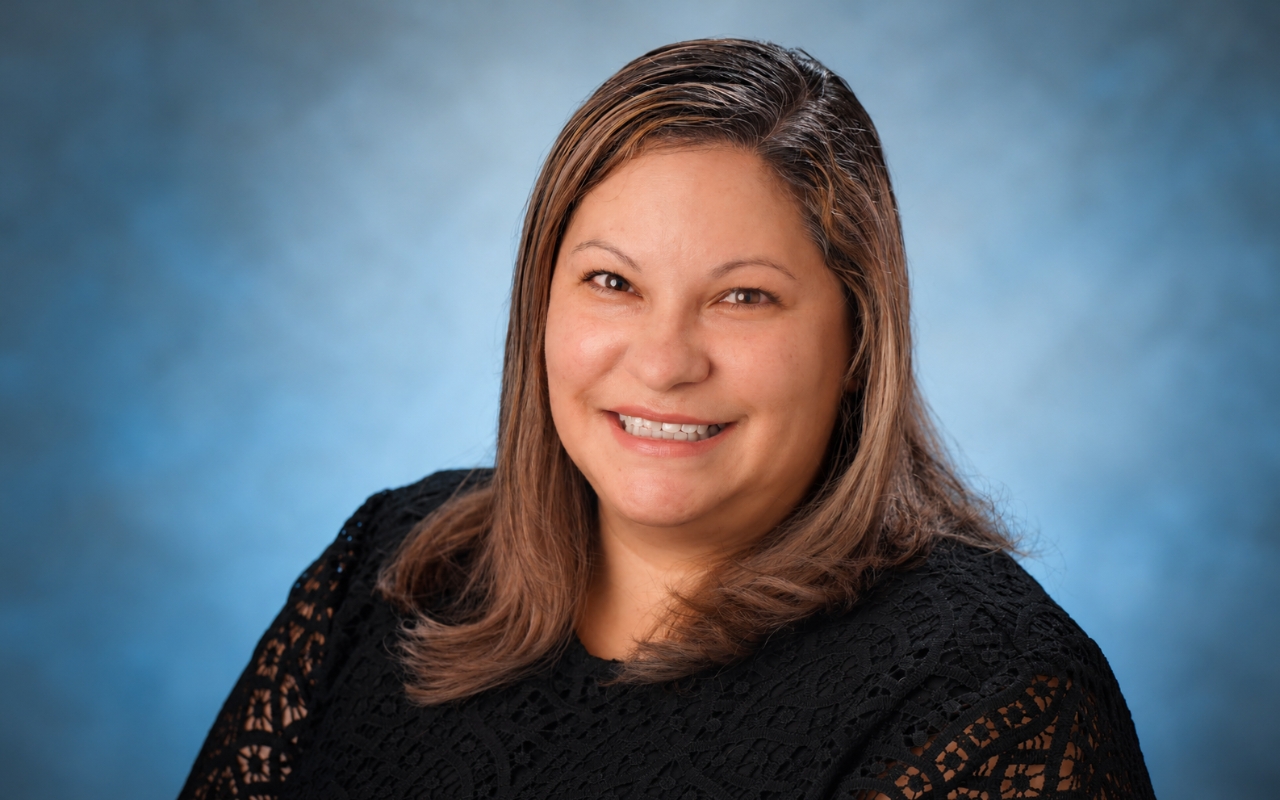
When Cathy Vasquez, RN, BSN, MSN, CCRC, talks to patients about clinical research, she often encounters fear before interest.
Some worry they are going to be experimented on. Others question whether an investigational treatment will work. Some have heard about past abuses in medical research and wonder why they should trust the system now.
For Spanish-speaking patients, another obstacle is whether study information is available in the language they understand best.
Vasquez, clinical research manager at Inspira Health in southern New Jersey, has spent years working to address those barriers.
Today, all of Inspira’s open clinical trials have study materials available in Spanish, Vasquez says. The health system also reports that 37% of its clinical trial participants identify as Hispanic, African American, Asian American, or Pacific Islander. Among participants in those groups, Inspira says it has maintained 100% study retention over the past seven years.
For Vasquez, a native Spanish speaker who has spent more than 20 years at Inspira, those numbers reflect something nurses already understand about patient care.
“We focus on education and building relationships first, because many people think we want to experiment on them,” Vasquez said.
As Nurse Approved recognizes National Hispanic Heritage Month, Vasquez’s work shows how nurses can help expand who gets an opportunity to participate in clinical research.
Want to see more Nurse Approved articles in your Google results? Add us as a preferred source.
Add Nurse Approved as apreferred source on Google
A Patient Who Didn’t Understand Dialysis Changed Her Career
Vasquez did not begin her career planning to become a nurse or clinical researcher.
She started at Inspira as a pharmacy technician. Part of her job involved rounding on hospital floors to make sure they had enough IV fluids and other pharmacy supplies.
During one of those rounds, a patient asked whether she spoke Spanish.
She did.
The patient told Vasquez that he had been told he needed dialysis but did not understand what it was.
“That really touched my heart because my father was a dialysis patient at the time,” Vasquez said.
Her mother was a nurse and had been providing her father’s dialysis treatments at home for years. Until that encounter, however, Vasquez doubted whether she could handle the responsibility of nursing.
“When that patient asked me that question, I thought, for the first time, that nursing might be my calling,” she said. “My mother is a nurse, but it was that feeling that a patient needed me that led me to pursue nursing.”
Vasquez entered nursing school thinking she could eventually help her mother care for her father. He died during her first semester.
“I thought about how I could no longer take care of my dad, but how I could help all the other dads who need somebody, someone they can talk to who understands them and can help them,” Vasquez said. “There’s nothing scarier than being in the hospital and not understanding what’s going on with you.”
Vasquez continued in nursing, eventually working in mother-baby, medical-surgical nursing, outpatient surgery, the operating room, discharge planning, clinical documentation improvement, and case management. She earned her associate, bachelor’s, and master’s degrees while working at the hospital, with tuition assistance from the health system.
Her path into clinical research came later, during the COVID-19 pandemic.
COVID-19 Led Her Into Clinical Research
At the start of the pandemic, Vasquez volunteered to be reassigned to Inspira’s COVID Command Center.
There she met Sami Abate, PhD, MSHS, MSN, RN, CCRN, CNML, assistant vice president for clinical research at Inspira Health.
Abate eventually asked Vasquez to assist with a convalescent plasma trial.
“I found the research process fascinating, so when a position opened in the Clinical Research Office, I applied right away,” Vasquez said.
According to Vasquez, having nurses staff Inspira’s clinical research department helps when approaching patients who are uncertain about research.
“I feel this is an advantage because nursing is a trusted profession, so that helps as we develop relationships with people considering clinical trials,” she said.
Why Some Patients Are Afraid to Say Yes
Vasquez hears some of those concerns directly.
“I don’t want to be practiced on,” patients have told her.
Others tell her, “That’s experimental; it will not work.”
Rather than dismissing those concerns, Vasquez said her team gives prospective participants opportunities to voice them.
“That’s why we do a lot of education and have one-to-one discussions about clinical research, allowing potential participants to voice their fears so that we can show them how things have changed for the better now,” she said.
Questions also surface when Vasquez and her colleagues take clinical research education into churches, senior centers, health fairs and other community settings.
Some people have told her they fear drugs used in clinical trials could change their DNA. Others raise the case of Henrietta Lacks, whose cervical cancer cells were collected without her knowledge or consent and became the source of the HeLa cell line.
Vasquez uses those conversations to explain protections for research participants today, including institutional review board oversight and a participant’s ability to withdraw from a study.
“We no longer refer to them as ‘subjects.’ They are ‘participants,’ with rights,” she said.
Getting Clinical Trial Information Into Spanish
For patients who are more comfortable speaking Spanish, trust can begin with something as basic as having study information available in a language they understand.
Vasquez has repeatedly advocated with study sponsors for Spanish-language consent forms and other materials.
“It can take multiple phone calls and emails to persuade a sponsor to provide Spanish-language materials, but we have been very successful in our efforts,” she said.
According to Vasquez, all of Inspira’s currently open clinical trials now include Spanish-language materials.
“Just having study materials in Spanish makes people more comfortable with the idea of participating,” she said.
Language, however, is only one barrier.
Transportation can also determine whether someone can realistically participate. Vasquez said her department helps patients find reliable transportation for study visits and has accommodated evening and Saturday appointments.
Without trials available locally, she said some patients would otherwise have to travel an hour or more to Philadelphia or farther.
“And that’s just not realistic for many people in our community,” Vasquez said.
What Inspira’s 37% Enrollment Rate Actually Measures
That 37% figure includes patients who identify as Hispanic, African American, Asian American, or Pacific Islander. Rural status and older age are not included as categories in that calculation, according to methodology provided by Abate.
Abate said the reported retention rate means every participant included in that measure completed the study without withdrawing from the study, withdrawing consent, or becoming lost to follow-up.
Vasquez attributes the retention to community education, individual outreach, and addressing patients’ concerns.
“And we are nurses, so we understand the kind of support our patients need,” she said. “When people feel cared for, they are more likely to participate in and complete a study.”
During one colorectal cancer early screening initiative, 40 people received free screening and six Spanish-speaking participants enrolled in a related project conducted in partnership with a Hispanic outreach organization, according to information provided by Inspira.
From Helping Patients Enter Research to Leading It
Vasquez’s role in research has continued to evolve.
She is now the principal investigator of her first study, a nurse-developed project examining aromatherapy for chemotherapy-induced nausea and vomiting.
An oncology nurse originated the idea. Vasquez and her colleague reviewed existing research and decided to study a broader approach that would be open to most chemotherapy patients and allow participants to choose among several essential oils.
When her nursing colleague later took another position and had to leave the project, Vasquez stepped into the principal investigator role.
Four patients have enrolled so far, according to Inspira, including two from traditionally underrepresented groups.
“Just being able to offer something additional to our patients is rewarding,” Vasquez said. “Running this study also lets our patients know that we notice the issues that they’re having. We are paying attention to their symptoms and frustration.”
For Vasquez, leading research is another step in a career that began with a patient asking her a question in Spanish that he could not answer for himself.
What Nurses Can Change About Clinical Research
Vasquez believes nurses do not have to become principal investigators to make research more representative.
They can educate patients about trials, bring research information into their communities, identify language or transportation barriers, and make sure potentially eligible patients know participation may be an option.
She has seen how willing patients with serious illnesses can be to contribute to research, even when participating may not directly benefit them.
“Even if a patient is very sick, they often hope the future will be better for the next person who is diagnosed,” she said.
During National Hispanic Heritage Month, Vasquez wants other nurses to recognize the influence they already have.
“Never dismiss the power you have as a nurse,” Vasquez said. “Nursing is a trusted profession, and being a minority nurse allows me to reach potential participants who might otherwise be overlooked or excluded from research just because they do not speak or understand English.”
For Vasquez, making clinical research more representative can begin well before anyone signs a consent form.
It begins with making sure patients know the opportunity exists and can understand what they are being asked to consider.
