

Estimated reading time: 5 minutes
The trauma bay is often where the most visible work of trauma nursing happens.
A seriously injured patient arrives. The team assesses, stabilizes, and treats injuries in an environment where decisions may need to be made quickly.
But for Cassie Montgomery Herman, BSN, RN, TCRN, some of the most important work begins after the initial resuscitation.
“The ‘dramatic’ acute resuscitation phase is always the exciting part, and while the care of the patient during that time is crucial, the days/weeks following the injury are just as important,” Herman said. “The care does not stop once the patient leaves the trauma bay.”
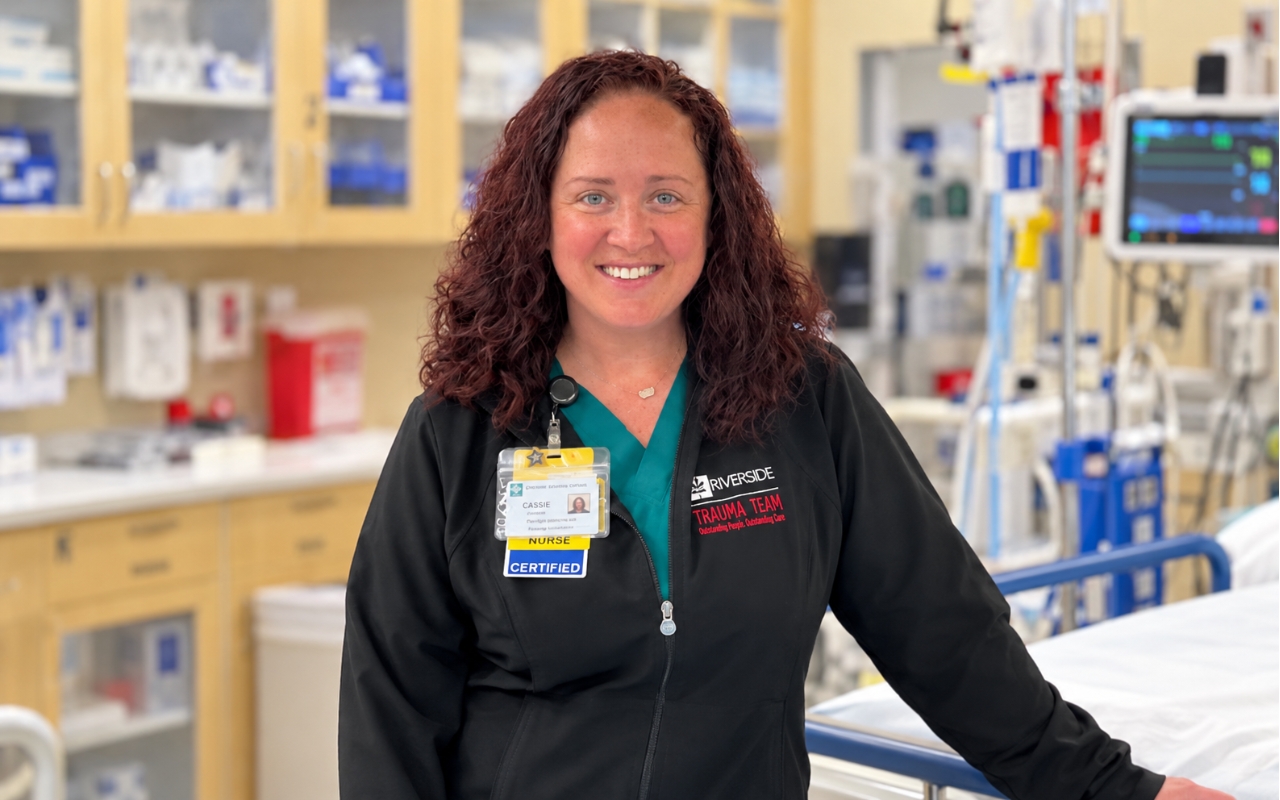
As Trauma Program Manager at Riverside Regional Medical Center in Newport News, Virginia, Herman’s work centers on acute treatment, performance improvement, staff education, and support for patients after they leave the hospital.
Her work earned her recognition as the Board of Certification for Emergency Nursing’s 2026 Distinguished TCRN.
As Emergency Nurses Week is recognized Oct. 11–17, Herman’s career highlights a part of trauma nursing that may receive less attention than the lifesaving moments associated with the specialty: what happens to patients throughout recovery and what trauma programs can learn from their outcomes.
“Understanding the pathophysiology and downstream effects of trauma is arguably just as essential as being proficient in the acute resuscitation phase,” Herman said.
Want to see more Nurse Approved articles in your Google results? Add us as a preferred source.
Add Nurse Approved as apreferred source on Google
Trauma Nursing Was Not the Plan
Herman did not initially intend to become an emergency nurse.
Her interest in nursing began while growing up around the OB/GYN office her mother managed. She spent hours there getting to know the staff and learning how the office worked.
When Herman became a nurse, her first choice was mother-baby nursing. But the unit was not hiring new graduates at the time, so she went with her second choice: the emergency department.
Trauma quickly became her favorite part of the ER.
“While treatment of trauma patients can be very standardized, each patient is different,” Herman said. “It’s a very rewarding feeling to be a part of a patient’s worst day and know that something I did helped to improve their outcome.”
Those encounters also taught her that caring for someone after a traumatic injury requires more than clinical intervention.
“Patients often forget how resilient and strong they are when they have experienced trauma,” Herman said. “It’s important as caregivers to be there not only for physical support, but emotional support as well.”
Everyone responds differently, she said, making nonjudgmental support an important part of helping patients recognize what they are capable of as they recover.
Looking Beyond Survival
Herman’s current role has broadened her focus from caring for individual trauma patients to examining how the system caring for them performs.
She sees performance improvement as an increasingly important part of the future of trauma care.
“Thankfully, accrediting/credentialing bodies are heavily examining performance improvement, which is encouraging many health systems to take a hard look at their PI process,” Herman said. “It’s not just about saving a patient’s life anymore. We need to ensure that our patients aren’t having complications or increased mortality risks. And if so, why is this happening and what can we do to prevent it in the future?”
For nurses and trauma teams, that means looking beyond whether a patient survived the initial injury to examine what happened throughout care and what can be learned from the outcome.
“I am certain that this will have a huge impact on the care of our trauma patients,” Herman said.
When Trauma Care Continues After Discharge
Herman’s view of trauma care also extends beyond the hospital through Riverside Regional Medical Center’s Hand in Hand hospital-based violence intervention program.
The program works with patients affected by intentional violence, providing ongoing support and connecting them with services and community resources after they leave the hospital. Riverside launched Hand in Hand in 2019.
Before the program, Herman said patients leaving the hospital were largely on their own aside from occasional follow-up with a surgeon or primary care provider.
“The work that our HVIP team does is invaluable,” Herman said. “This program not only offers the care management that many patients need, but it also provides ongoing support once the patient leaves the hospital.”
“It’s been gratifying to see the strides that our patients make and the things they can achieve,” she said.
The program also offers trauma-informed training to team members, which Herman said has affected how patients are cared for.
Preparing Nurses for the Next Trauma
Improving trauma care also means preparing clinicians for the next patient who comes through the door.
Herman said Riverside supports nurses and other clinicians pursuing professional development and specialty certification.
“We recognize that certifications aren’t just letters added to your title and the work and effort that goes into obtaining them genuinely helps to make you a stronger, more prepared health professional,” she said.
But education and experience are only part of what Herman believes makes an exceptional trauma nurse. She points to patience, emotional stability, confidence, compassion and resilience, along with maintaining a questioning attitude.
That questioning attitude also reflects her approach to performance improvement: examining what happened, why it happened, and what might be done differently for future patients.
‘This Is Where My Heart Belongs’
Herman’s career did not begin with a plan to work in emergency or trauma nursing. Over time, she has helped shape how a trauma program cares for patients inside the hospital and after they leave.
When she considers what she hopes patients and colleagues remember about her work, she points to the program rather than an individual accomplishment.
“I’d love to be remembered for the work we’ve done for this trauma program,” Herman said. “My team has poured their heart into expanding and improving our Trauma PI, education, and HVIP program.”
For Herman, the work comes back to one clear goal: better outcomes for patients and better preparation for the clinicians caring for them.
“At the end of the day, this isn’t just a job for me,” she said. “This is where my heart belongs, and I hope people around me see how important it is to me for our patients to have good outcomes and our staff to be as prepared as possible for every trauma that rolls through our doors.”
