
Estimated reading time: 6 minutes
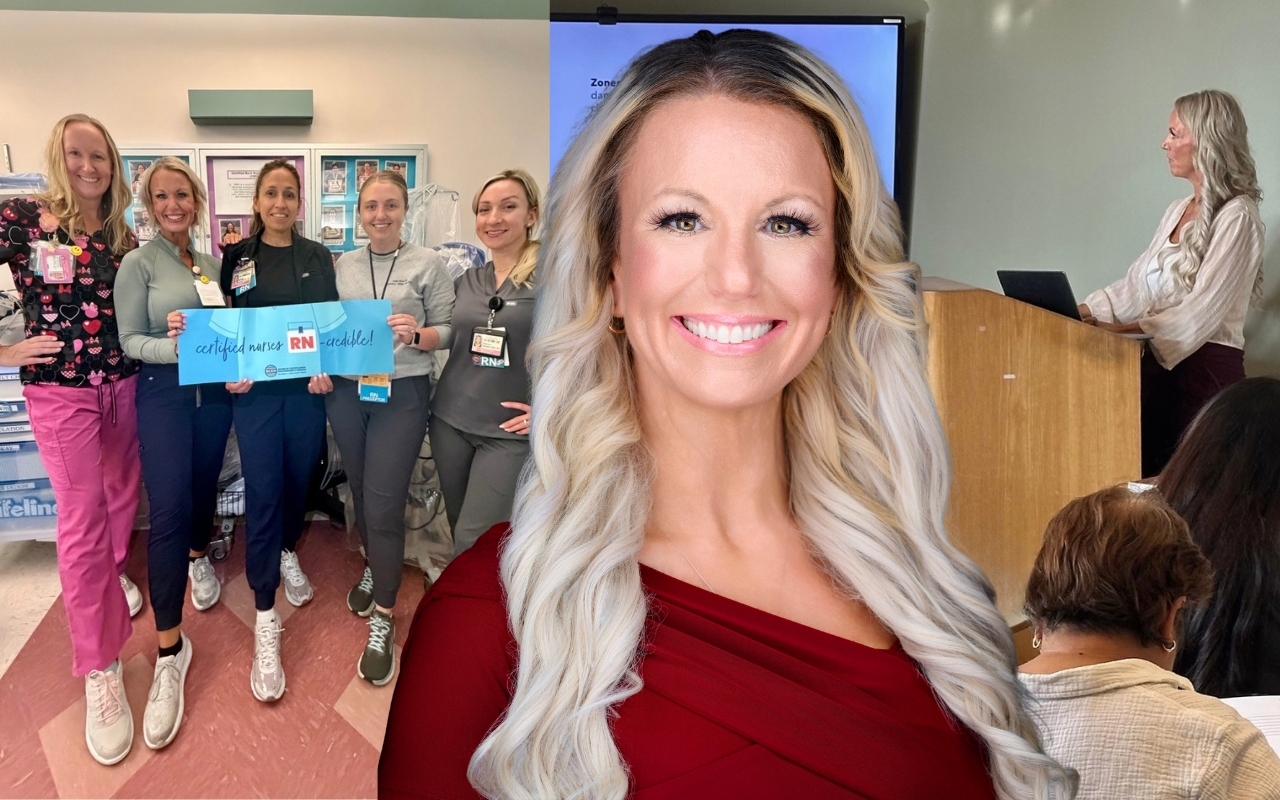
Amanda Kumar, BSN, RN, CBRN, had years of experience caring for critically ill burn patients when she sat for the Certified Burn Registered Nurse exam.
But the certification was new, and Kumar said there were no study materials available to help her prepare. She went into the exam relying largely on what she knew from the bedside.
She missed passing by only a few questions.
“Not passing the CBRN exam on my first try was hard,” Kumar said. “There were no study materials available since CBRN certification was just being introduced, so I was essentially going in blind, relying on my bedside experience without knowing what the test would cover.”
Kumar identified gaps in her knowledge, changed the way she studied and eventually earned the CBRN credential. Then she turned her attention to the nurses who would take the exam after her.
She did not want them going in blind.
Kumar, a Clinical Nurse III at UC San Diego Health Regional Burn Center, developed a structured four-hour CBRN review course with educational materials and practice questions and began mentoring nurses pursuing certification. She said the number of certified burn nurses at her hospital has since increased significantly.
Her efforts earned her recognition as the Board of Certification for Emergency Nursing’s first Distinguished CBRN in 2025.
As Emergency Nurses Week is recognized Oct. 11–17, Kumar’s story offers a look at the specialized work of burn nurses and what can happen when an experienced nurse turns a professional setback into an opportunity to help others grow.
“I knew how intimidating it felt to prepare without guidance, and I didn’t want other nurses to navigate that alone,” Kumar said. “That became the foundation for the review course and mentorship program I later created.”
Want to see more Nurse Approved articles in your Google results? Add us as a preferred source.
Add Nurse Approved as apreferred source on Google
Burn Nursing Is More Than Wound Care
Burn nursing can begin during the most critical stage of an injury, when nurses are assessing burns, monitoring the airway, supporting fluid resuscitation, managing pain, preventing hypothermia and watching for subtle signs that a patient is declining.
Their involvement can continue through procedures, surgeries, grafts, rehabilitation and discharge as they help patients regain mobility, learn to care for their wounds and prepare for life outside the hospital.
Kumar’s path to the specialty began before she became a nurse. She spent eight years as a Navy Hospital Corpsman during the Iraq and Afghanistan wars, an experience she said taught her service, teamwork, discipline and adaptability, along with caring for people during some of the most frightening moments of their lives.
When she transitioned into nursing, burn care felt like a natural fit.
“It combined critical thinking, hands-on skills, teamwork, and meaningful relationships with patients and families,” Kumar said.
What has kept her in the specialty is the opportunity to see patients through recovery.
“Burn nursing isn’t simply treating a wound; it’s helping someone survive critical illness, endure painful procedures, regain mobility, and eventually begin imagining life beyond the hospital,” she said.
When Small Steps Become Major Milestones
Recovery from a serious burn injury can involve surgeries, painful wound care, prolonged hospitalization and rehabilitation. Patients may also be adjusting emotionally to changes in their bodies and uncertainty about what life will look like after they leave the hospital.
That has changed the way Kumar thinks about resilience.
“My patients have taught me that resilience isn’t about being strong every minute of every day. Sometimes it’s simply deciding to keep going,” she said.
Progress may mean getting out of bed, eating a meal, tolerating a dressing change or participating in rehabilitation.
“Strength isn’t always dramatic,” Kumar said. “Sometimes it’s quiet, imperfect, and built one day at a time.”
Burn nurses are often there for the emotional part of that recovery, too.
“We listen when patients are frightened, angry, frustrated, or grieving, and because we’re consistently at the bedside, we’re often the ones who absorb the hardest moments and then come back the next day ready to support them again,” Kumar said.
Two Young Patients She Still Thinks About
Of the patients Kumar has cared for, two children have stayed with her for years.
A 10-year-old boy and his 7-year-old sister arrived at the burn center after surviving a house fire that killed both of their parents. Each had sustained burns over roughly 50% of their total body surface area.
Both were intubated and critically ill and faced multiple surgeries, painful procedures, wound care and rehabilitation.
But Kumar knew they would eventually confront something their medical care could not fix.
“What affected me most was knowing that when they finally woke up, they would have to face the reality that their parents were gone,” she said. “As a mother of three girls, that was especially heartbreaking. I couldn’t help but think about my own children and how unimaginable that loss would be for a child.”
Their recovery came gradually as they began tolerating procedures, participating in their care, working through rehabilitation and regaining strength.
Kumar remembers nurses, physicians, therapists, child-life specialists and social workers working together to address the children’s medical, emotional and developmental needs.
“Their story continues to influence the way I care for every patient,” Kumar said. “It reminds me that behind every injury is a person with a story, a family, and a future worth fighting for.”
Building Confidence Beyond the Exam
For Kumar, specialty certification is not simply about adding letters after a nurse’s name.
Burn nurses must recognize subtle changes in a patient’s condition, understand the complexities of burn care, communicate clearly with an interdisciplinary team and remain committed to safe, evidence-based practice.
“I believe investing in nurses directly improves patient care,” Kumar said. “The number of certified burn nurses at our hospital increased significantly, but what mattered most was watching nurses become more confident in their clinical judgment,” she said.
Her own first attempt at the CBRN exam also influenced the kind of mentor she became.
“Perseverance isn’t about never failing,” Kumar said. “It’s about learning from the setback, adjusting, and continuing forward.”
Making the Path Easier for the Next Burn Nurse
Kumar sees reasons for optimism as burn care continues to advance in resuscitation, wound healing, grafting, infection prevention, pain management, scar treatment and rehabilitation.
She is also encouraged by greater attention to the broader recovery experience, including mobility, independence, mental health, body image, family support and returning to daily life.
For experienced nurses, she believes progress also comes with a responsibility to pass their knowledge forward.
“I believe one of our greatest responsibilities as experienced nurses is to prepare the people who will care for patients after us, to share what we know, keep learning, and make the path a little easier for the next generation,” Kumar said.
Yet when she considers what she wants patients, families and colleagues to remember about her career, her answer has little to do with credentials or awards.
“More than anything, I hope people remember that I cared,” Kumar said.
“If my patients feel less alone, my colleagues feel supported, and the nurses I’ve mentored carry that forward, then I’ll know I made a difference that mattered.”
