


Estimated reading time: 4 minutes
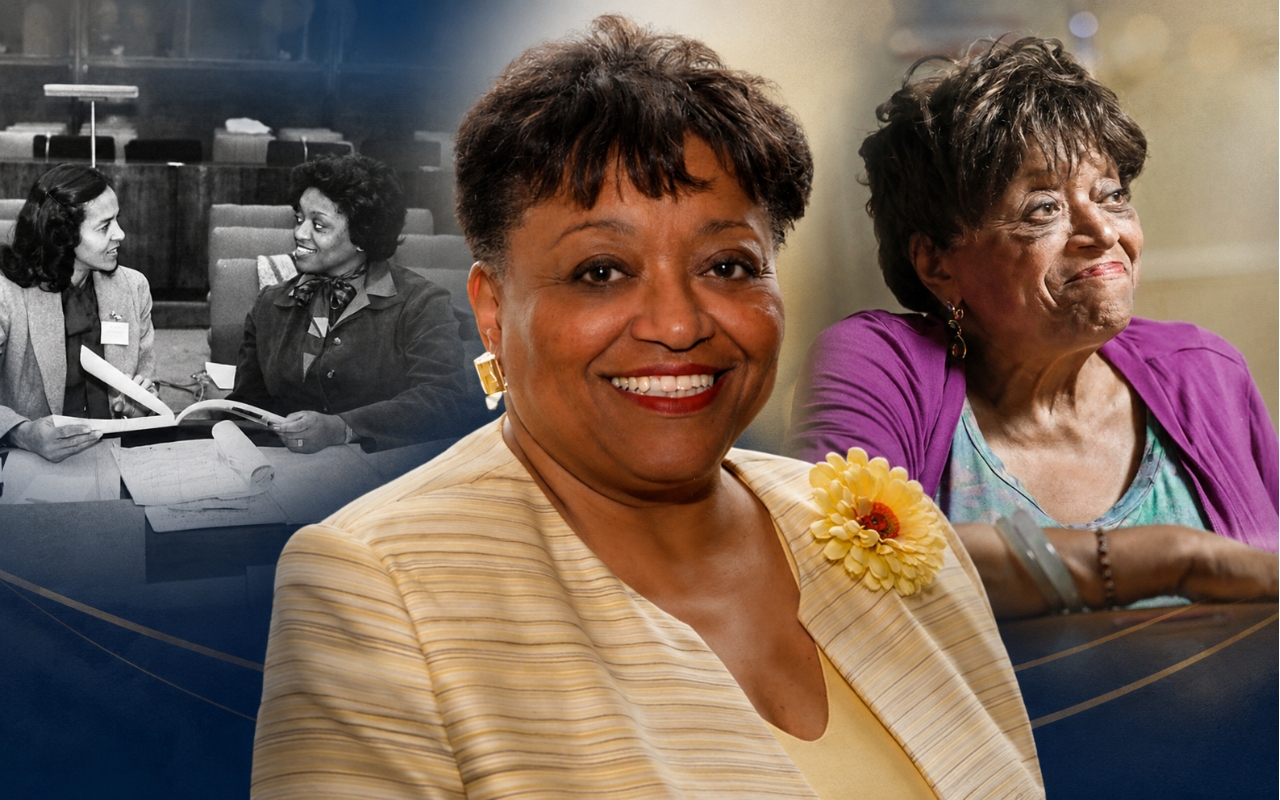
The nursing profession is mourning the loss of Dr. Barbara L. Nichols, DL(h), DSc(h), PedD(h), MSN, RN, FAAN, one of the most influential nurse leaders in American history and the first Black president of the American Nurses Association (ANA).
Nichols passed away on July 22, 2026, leaving behind a legacy that transformed nursing leadership and helped secure a stronger voice for nurses in healthcare policy.
Across more than six decades, Nichols broke racial barriers, championed higher education for nurses, advocated for internationally educated nurses, and demonstrated how nurses can shape healthcare far beyond the bedside.
A Trailblazer From the Beginning
Born in 1939 in Waterville, Maine, and raised in Portland, Nichols developed an interest in nursing as a child after being inspired by a public health nurse and family friend. She entered the profession at a time when opportunities for Black nurses were limited.
Nichols was one of only two Black students admitted to her class at the Massachusetts Memorial Hospital School of Nursing before earning her bachelor’s degree from Case Western Reserve University and her master’s degree from the University of Wisconsin-Madison.
After graduation, she became the only Black registered nurse at Boston Children’s Hospital before serving as a head nurse in the U.S. Navy Nurse Corps at the Naval Hospital in St. Albans, Queens.
Early in her career, Nichols said her opinions were often dismissed because of her race. Rather than allowing those experiences to define her, she turned them into motivation to become a leader and advocate for greater equity within the nursing profession.
Transforming Nursing Leadership
Nichols made history in 1978 when she became the first Black president of the American Nurses Association. Re-elected in 1980, she served two terms through 1982 during a pivotal period for the profession.
Her presidency represented more than a historic milestone. She championed baccalaureate education as the standard for entry into nursing practice and helped ensure nurses had a seat at the national healthcare policymaking table through collaboration with the American Medical Association and the American Hospital Association.
“Nurses are the ones at the bedside, observing what is happening to people, and we need to have a say in it,” Nichols said when discussing nurses’ role in healthcare policymaking.
She also described the effort to establish baccalaureate education as the standard for entry into practice as “highly divisive, but essential for the recognition of nursing as a true profession.”
Advancing Nursing on the Global Stage
Nichols’ influence extended well beyond the ANA.
She later served as CEO of the Commission on Graduates of Foreign Nursing Schools (CGFNS), where she advocated for equitable recruitment, fair treatment, and credentialing of internationally educated nurses to help ensure safe, high-quality patient care.
She also served on the board of the International Council of Nurses, expanding her influence internationally. Throughout her career, Nichols served as a consultant to federal agencies, educator, mentor, and advisor, helping shape nursing practice, education, and policy in the United States and around the world.
A Legacy That Continues to Shape Nursing
Nursing leaders say Nichols changed what was possible for nurses, particularly Black nurses pursuing leadership roles.
“Barbara Nichols redefined nursing leadership as we know it,” said Jennifer Mensik Kennedy, PhD, MBA, RN, NEA-BC, FAAN, President of the American Nurses Association. “She played a pivotal role in shifting the profession from the margins to the center of health policy and equity, and she did it with grace, grit, and unmatched wisdom.”
The National Black Nurses Association also credited Nichols with transforming opportunities for future generations.
“Dr. Nichols was a giant and role model whose shoulders so many of us have stood on,” said Sheldon D. Fields, PhD, RN, FNP-BC, AACRN, FNAP, FADLN, FAANP, FAAN, President of the National Black Nurses Association. “At a time when Black nurses were routinely overlooked and underestimated, she refused to be silenced or sidelined. She showed our profession, and our country, what Black nursing leadership looks like at the very highest level, and she did it with grace, grit, and an unshakable sense of purpose.”
Fields added, “Dr. Nichols understood, long before it was widely recognized, that representation in nursing leadership saves lives. She opened doors that had been closed to Black nurses for generations, and she never stopped reaching back to bring others through with her.”
Why Barbara Nichols’ Legacy Still Matters
Her contributions were recognized with many of nursing’s highest honors, including designation as an American Academy of Nursing Living Legend in 2010, induction into the ANA Hall of Fame in 2022, and recognition as an Inaugural Luminary Fellow of the Academy of Diversity Leaders in Nursing in 2024.
For today’s nurses, Nichols’ career is a reminder that lasting change often begins with one person willing to challenge barriers, advocate for others, and lead with conviction. Her work continues to influence nursing education, professional leadership, and healthcare policy decades after she first stepped onto the national stage.
As Nichols once said: “Nursing is indeed a noble profession. We are there in people’s moments of joy and trauma. That is a unique privilege. And because of that, our knowledge must match the depth of our responsibility.”
