


Estimated reading time: 5 minutes
Evidence suggests that what cancer survivors eat after treatment may influence inflammation, quality of life, overall health, and cancer recurrence. Despite an expanding body of research, conflicting nutrition advice can leave survivors unsure whom to trust. Nurses and other healthcare professionals can play an important role in helping patients navigate that information with evidence-based guidance.
Federika Garcia, RDN, LDN, CNSC, CSO, an oncology dietitian at Sylvester Comprehensive Cancer Center, part of the University of Miami Miller School of Medicine, says much of the confusion stems from the overwhelming amount of nutrition advice available to survivors.
“There’s a lot of information out there, and it can leave you more confused than you were when you started,” Garcia says. “Information overload is real, but we are here to support you in this journey.”
For nurses involved in survivorship care, helping patients navigate nutrition has become an important part of post-treatment education. Because nutrition needs vary depending on cancer type, treatment history, symptoms, and medical history, Garcia says individualized guidance is essential.
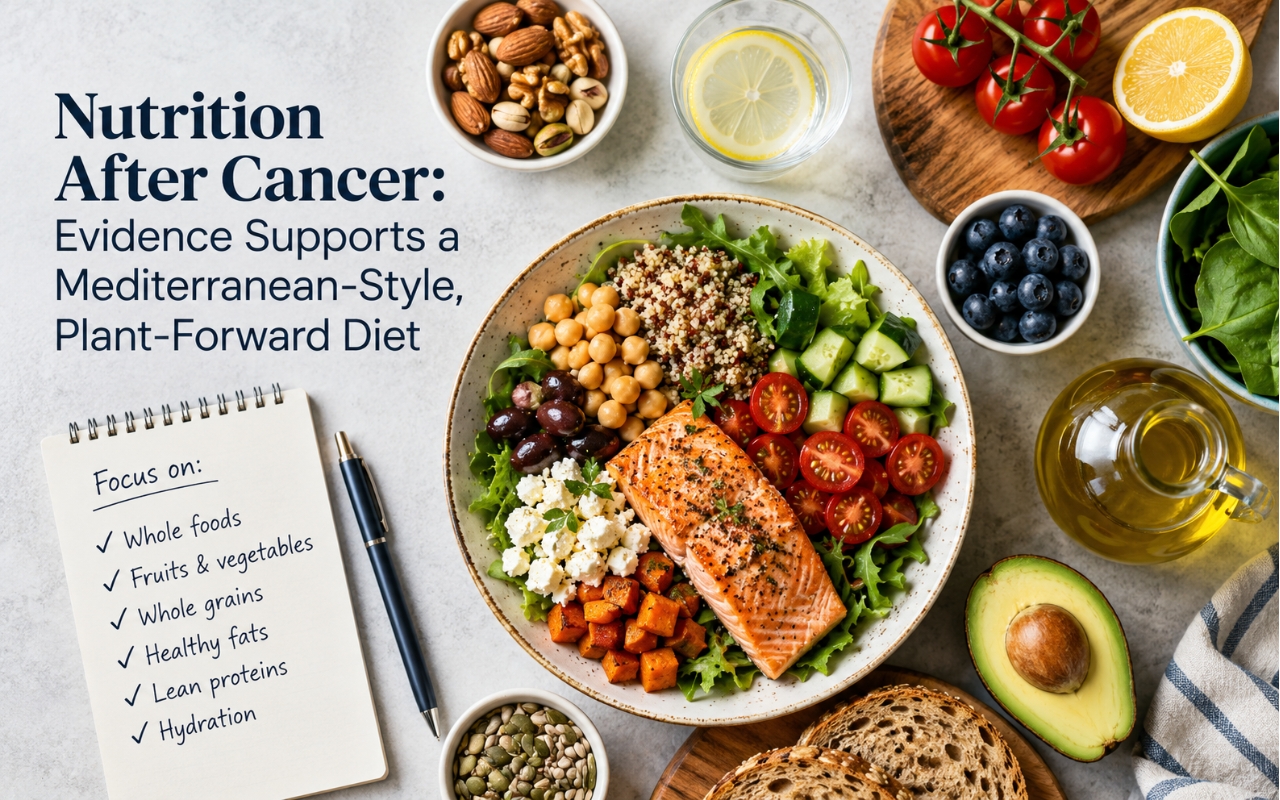
“Cancer or not, eat a diet that is rich in fruits, vegetables, whole grains, lean and plant-based proteins,” Garcia says. “And, as much as you can, we’d love to see you have a diet that is more plant-forward.”
Want to see more Nurse Approved articles in your Google results? Add us as a preferred source.
Add Nurse Approved as apreferred source on Google
Evidence-Based Nutrition for Survivorship
Garcia recommends building meals around foods that include:
- A variety of colorful vegetables and whole fruits
- Fiber-rich legumes such as beans, soy, and lentils
- Whole grains
- Nuts and seeds
- Lean animal or plant-based proteins with every meal
- Herbs and spices for flavor and potential health benefits
She also recommends limiting or avoiding:
- Ultra-processed foods high in added sugars, sodium, saturated or trans fats, or additives
- Red and processed meats
- Sugar-sweetened beverages
- Fruit juice and juice-only smoothies in favor of whole fruit
- Refined grain products
- Alcohol
Why a Plant-Forward Diet Matters
Garcia says survivors do not need to become vegetarian or vegan to benefit from a plant-forward eating pattern. Instead, the focus is on a diet rich in vegetables, fruits, grains, and legumes.
“You don’t have to be vegetarian or vegan,” she says. “It’s more about having a diet rich in vegetables, fruits, grains, and legumes.”
She recommends regularly eating cruciferous vegetables such as broccoli, cauliflower, and Brussels sprouts because they contain compounds that may help protect against inflammation and DNA damage. Orange and yellow vegetables, including carrots and peppers, provide carotenoids that function as antioxidants and support immune regulation.
Many whole plant-based foods are also rich in fiber. Garcia notes that fiber supports the gut microbiome, digestion, heart health, insulin regulation, and “may also play a beneficial role in estrogen metabolism and hormone regulation,” an area where many adults still fall short of recommended intake.
Dietary Variety May Offer Additional Benefits
Garcia also encourages survivors to eat about 30 different plant foods each week, citing evidence that greater dietary diversity may benefit the gut microbiome while expanding nutrient intake.
Protein Remains an Important Part of Recovery
Protein plays an important role in maintaining healthy body composition during survivorship.
Garcia recommends including lean protein with every meal, including breakfast. Good choices include legumes, fish, poultry, and whole soy foods. Fish also provides omega-3 fatty acids, which may help reduce inflammation.
She advises limiting cooked red meat to 12 to 18 ounces per week, consistent with recommendations from the American Institute for Cancer Research.
“Try to incorporate more plant-based sources of protein, such as beans and other legumes, including soy,” Garcia says. “But eat what you’re geared to, meat if you like it, plant-forward, or no meat.”
“There is no safe recommended amount for processed meats and deli meats,” Garcia says, recommending that people who eat them regularly gradually reduce their intake.
Research Supports Soy Foods for Cancer Survivors
Soy remains one of the most misunderstood foods among cancer survivors, particularly those diagnosed with hormone-sensitive breast cancer. Garcia says research supports soy milk, tofu, and tempeh as part of a healthy diet.
“Research has shown that eating whole soy foods does not increase cancer risk,” she explains. “In fact, new research indicates that one or two servings of whole soy foods a day may have a protective effect, even after a diagnosis of estrogen-sensitive cancer. This includes reduced recurrence and reduced all-cause mortality.”
She notes that processed soy products containing soy isolates, such as some protein bars and vegan meat substitutes, should still be avoided because there is not enough evidence regarding their safety.
Debunking the Myth That Sugar Feeds Cancer
One of the most persistent nutrition myths among cancer survivors is that sugar directly feeds cancer. Garcia says the evidence does not support that belief.
“Is sugar really good for anyone? No,” she says. “Does it feed cancer? Also no.”
She recommends following American Heart Association guidance by limiting added sugar intake to less than 25 grams per day for women and less than 36 grams per day for men. The recommendation is intended to reduce the risk of obesity, diabetes, heart disease, and other chronic conditions associated with poorer health outcomes.
Naturally occurring sugars found in whole fruits are not considered added sugars.
Helping Survivors Thrive
Garcia encourages cancer survivors to avoid an all-or-nothing mindset when it comes to nutrition.
“Make one small change at a time, and don’t go to extremes. Avoid a black-and-white mentality about foods,” she says. “At the end of the day, you’re not a survivor if you’re not thriving. Your quality of life matters.”
As cancer survivorship extends well beyond treatment, nurses play an important role in helping patients replace nutrition myths with evidence-based guidance that supports long-term health and quality of life.
