
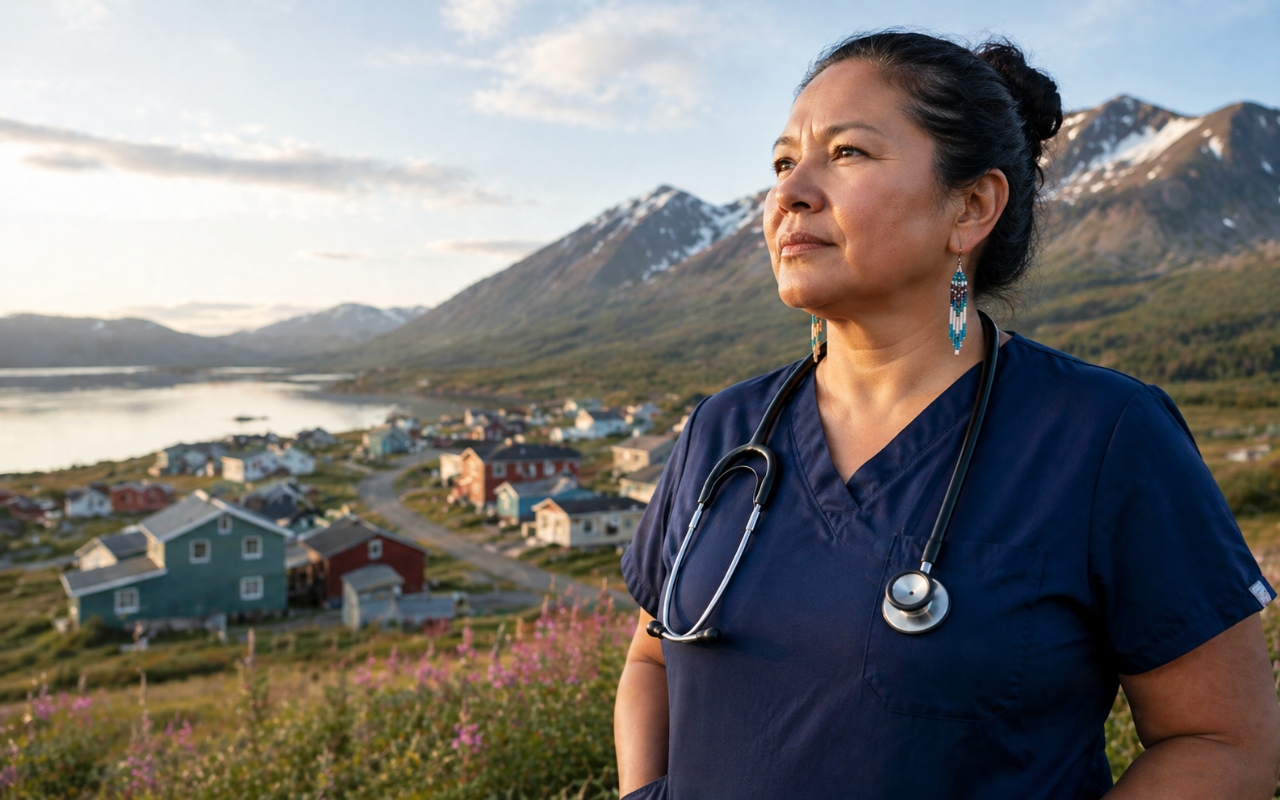

As the nursing workforce crisis deepens, healthcare leaders continue to focus on staffing shortages, burnout, and retention.
However, those strategies overlook a critical reality.
According to Teresa Brockie, PhD, RN, FAAN, president of the National Alaska Native American Indian Nurses Association (NANAINA), the most effective way to address workforce gaps, particularly in rural and underserved areas, is to recruit and train nurses from the communities they serve.
“There are some communities that don’t have bootstraps to pull up,” she said.
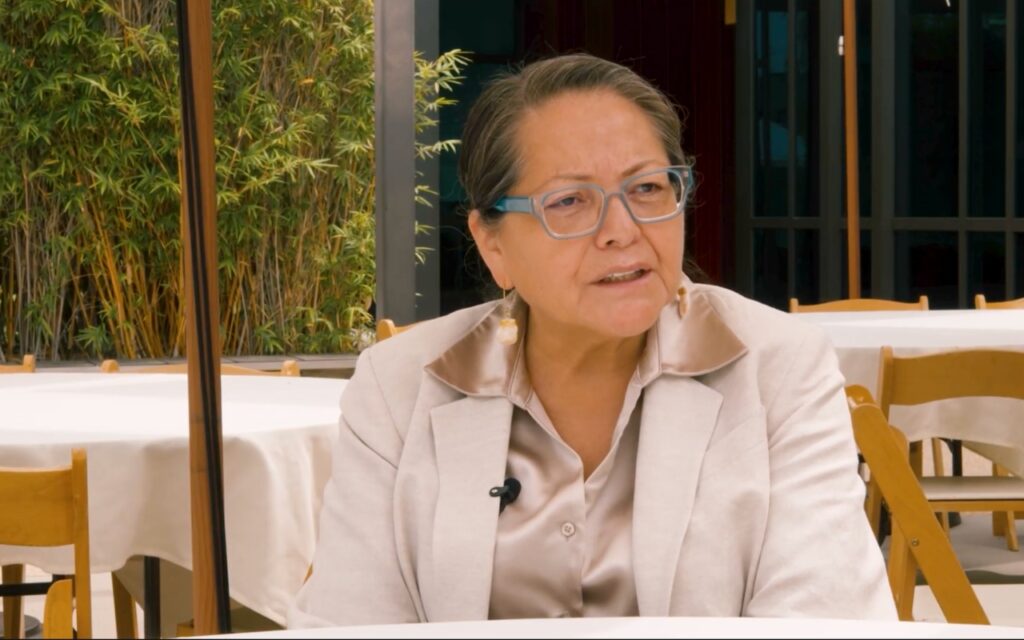
Brockie highlighted this perspective during an interview at the National Coalition of Ethnic Minority Nurse Associations 2026 Annual Health Policy Summit. Drawing on her experience in Indigenous and rural healthcare settings, she challenged the assumption that a single solution can address the varied workforce landscape.
A Different Reality in Rural and Indigenous Communities
“There is a huge nursing shortage in Native communities, particularly in rural and remote settings,” Brockie said.
In many Native American communities, the nursing shortage is not simply about open positions. It is rooted in access, geography, and long-standing inequities.
At the same time, she emphasized a detail that is commonly overlooked.
“If we look at the nurses who are employed by Indian Health Service, tribal or urban organizations, 60 percent of those nurses are Indigenous,” she said.
That reality reframes the issue. In many cases, communities are already relying on their own members to deliver care.
The Case for Community-Based Recruitment
For Brockie, the path forward builds on that foundation.
To address the shortage and high vacancy rates, nurses must be recruited from these communities.
Nurses who come from the communities they serve bring cultural understanding, trust, and lived experience that cannot be replicated through temporary staffing solutions.
Her perspective shifts the focus from simply increasing the number of nurses to strengthening the workforce’s origins and development.
Nursing as a Calling
While policy and funding continue to shape the profession, Brockie emphasized that motivation to enter nursing can look very different across communities.
In Indigenous communities, she said, the decision is often driven by responsibility rather than career advancement.
“It’s a higher calling to meet community needs,” she said.
That sense of purpose continues to draw individuals into the profession, even as broader workforce challenges persist.
The Education Bottleneck
Even as communities look to build their own workforce, significant barriers remain.
One of the most pressing issues is the shortage of nurse educators, which can be addressed by incentives and support for advanced nursing education within these communities.
“There are not enough nurses seeking a doctoral program in nursing,” Brockie said.
She identified the limited number of PhD-prepared nurses as a major constraint on expanding the workforce.
Without enough educators, qualified applicants may never enter the profession, further narrowing the pipeline.
Rethinking Workforce Solutions
Brockie’s perspective highlights a gap between national workforce strategies and the realities in underserved communities.
Common approaches often focus on recruitment campaigns or short-term staffing fixes. While these may offer temporary relief, they do not address the structural challenges affecting rural and Indigenous populations.
Her comments point to the need for long-term investment in educational infrastructure, the development of local nurse educators, community-based recruitment, and ongoing workforce development programs tailored to local contexts.
A Broader Starting Point
Addressing the workforce crisis, Brockie believes, also requires recognizing that not all communities start from the same place.
“I think that some of us don’t have bootstraps to be pulling up,” she said.
The statement reflects disparities in access to education, healthcare infrastructure, and economic opportunity that shape who can enter the profession.
A Defining Moment for Workforce Strategy
As healthcare leaders continue seeking solutions, Brockie’s message remains clear.
Efforts that do not account for community context risk falling short.
For nurses working in underserved areas, the path forward may already be taking shape.
It begins with investing in the people who are already there.
