


A celebrity podcast endorsement rapidly changed prescribing patterns for an unproven cancer treatment, new UCLA research finds.
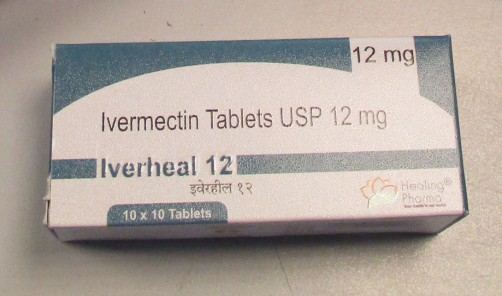
Published May 12 in JAMA Network Open, the study found prescriptions for ivermectin with benzimidazole drugs more than doubled after actor Mel Gibson promoted them on The Joe Rogan Experience.
The study shows that celebrity health claims can quickly influence patient and prescriber choices, raising concerns about delays in proven cancer care and the spread of misinformation.
This UCLA-led study documented a sudden rise in ivermectin and related drug prescriptions after online cancer cure claims, raising concern that patients may turn to unproven alternatives instead of established therapies.
Viral Claims Were Followed by a Sharp Increase in Prescribing
The endorsement occurred on January 9, 2025, when Gibson said during the podcast that three friends with stage IV cancer recovered after taking ivermectin and fenbendazole.
Clips from the interview generated tens of millions of social media views in the weeks that followed.
Researchers analyzed de-identified electronic health records from more than 68 million patients in the multicenter US TriNetX research network, comparing prescribing patterns from January through July 2025 with the same period the previous year.
The study examined prescriptions written in ambulatory care and emergency department settings for adults ages 18 to 90.
Researchers found:
- Overall prescribing rates for the drug combination doubled
- Prescribing among people with cancer increased by more than 2.5 times
- Prescribing rates in the US South were more than three times higher than the previous year
- The largest increases occurred among men, White patients, Southern residents, and people with cancer
Nurses and Clinicians Face Growing Misinformation Challenges
Although ivermectin and benzimidazole drugs such as fenbendazole have shown anti-cancer activity in laboratory and animal studies, researchers emphasized that no clinical trials have demonstrated they are safe or effective cancer treatments in humans.
Ivermectin is FDA-approved for the treatment of parasitic infections in humans. Fenbendazole is approved only for veterinary use.
“As a primary care doctor, I want my patients and people across the country to have the chance to get treatments we know can help them live longer, healthier lives,” said senior author Dr. John N. Mafi, associate professor-in-residence of medicine in the division of general internal medicine and health services research at the David Geffen School of Medicine at UCLA.
“When prescribing for an unproven cancer treatment more than doubles after a single podcast, especially among men and people in the South, it raises a concern that patients may be skipping or delaying treatments we know work in favor of something that hasn’t been proven to help them.”
For nurses and frontline clinicians, the findings underscore the increasing pressure to help patients navigate viral medical claims while reinforcing evidence-based care.
“We often focus on how to efficiently get evidence into practice,” said lead author Dr. Michelle Rockwell, assistant professor of family and community medicine at Virginia Tech. “But these findings remind us that some forces can influence care very quickly. The challenge for health systems is how to meet patients in that moment with information that is both timely and trustworthy.”
Questions Remain About Patient Outcomes
Researchers noted several limitations. Because the study was observational, it cannot prove that the podcast directly caused the increase in prescribing. The data may also not fully represent the broader US population and may track physician orders rather than confirmed medication use.
The results raise important concerns that some patients may be forgoing proven cancer treatments in favor of unproven alternatives after exposure to widely shared claims.
Researchers said further study is needed to determine:
- Whether use of ivermectin-benzimidazole combinations leads to adverse outcomes
- Which clinicians are prescribing the medications and in what settings
- How health systems can better counter misinformation at the point of care
“Not all widely shared health information is accurate, even when it comes from familiar or influential sources,” said co-author Dr. Katherine Kahn, Distinguished Professor of Medicine at the Geffen School.
“Using unproven treatments can carry real risks, especially if it delays care that is known to work. Clinicians and health systems play a critical role in helping patients navigate information and make informed decisions.”
The research received support from the National Institute on Aging and an NIA Beeson Award.
