


In healthcare, success is often measured by survival rates and clinical outcomes, yet these metrics can overlook what truly matters: serious illness quality of life and how patients with serious illness and their families define a life well lived.
Avery C. Bechthold, PhD, BSN, RN, in Knoxville, Tennessee, is challenging this perspective. Her research helps patients and caregivers define what matters most and ensures care honors those values. She demonstrates that surviving an illness is not the same as living well.
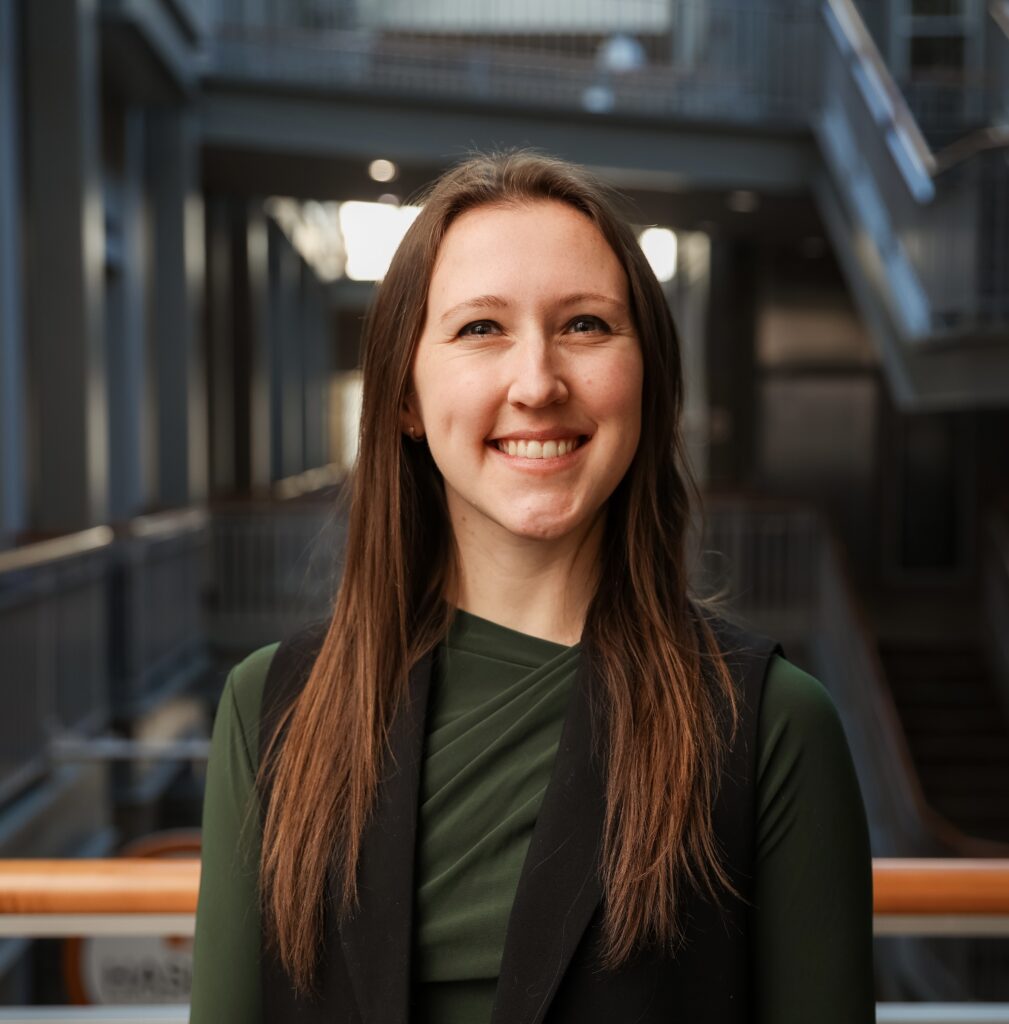
Part of Nurse Approved’s Special Nurses Month series: The Unseen Shifts
Her work is shifting the focus of serious illness care from survival to meaningful living by advancing research that helps patients and caregivers clarify what matters most and align care to those values.
From Bedside Experience to Research Focus
Bechthold’s work is grounded in her early clinical experience as a bedside nurse in a heart and vascular ICU, where she cared for patients facing complex, high-stakes decisions with little time to process their options.
“Working as a bedside nurse in the heart and vascular ICU, I cared for patients and families facing complex, high-stakes decisions, often with very little time to consider their options,” she said. “What stood out most was the moral distress that arose when care plans felt misaligned with the values of patients and families,” she said.
She recalls one patient who agreed to a permanent tracheostomy without fully understanding the long-term implications, including the loss of the ability to eat and drink by mouth.
“These early experiences showed me that values-centered conversations should not be limited to specialty palliative care clinicians; they are fundamental clinical skills that all clinicians should possess,” she said.
Her research trajectory became even more personal during her doctoral training. While in the second year of her PhD program, her younger brother was diagnosed with stage IIIC colorectal cancer at age 22. Around the same time, her mother was diagnosed with glioblastoma.
“Witnessing serious illness within my own family made something very clear to me: serious illness fundamentally reshapes identity, relationships, and what day-to-day life looks like not just for patients, but also for their families,” she said.
These experiences formed the foundation of her work: patients and caregivers need support to live meaningfully as illness progresses, beyond simply surviving.
What “Meaningful Living” Looks Like in Practice
At the center of Bechthold’s research is a simple but often overlooked question: what matters most to patients?
In her early work, she asked patients and families to define their values as “who or what is most important to them in life,” then describe how illness affected their ability to live in alignment with those values.
Many adults living with a ventricular assist device, or VAD, described a renewed appreciation for relationships and everyday moments as a result of Bechthold’s research findings. Others expressed frustration with the loss of identity and independence, even when they were medically stable, indicating that clinical outcomes did not always reflect personal well-being.
“Meaningful living is not something clinicians can, or should, define for patients,” she said. “It is deeply personal and must be self-determined.”
To better understand this, her research incorporates tools such as the Valuing Questionnaire, which measures how closely a person’s daily behaviors align with their values and the challenges they face in doing so. Findings demonstrate discrepancies between daily behavior and stated values, informing future interventions to better support alignment.
Where Healthcare Models Fall Short
Despite increasing emphasis on patient-centered care, Bechthold says many healthcare systems still struggle to translate patient values into actionable care plans.
“Asking about what is important is not the same as incorporating these into treatment planning,” she said.
This gap is especially pronounced in acute and critical care settings, where time pressure and protocol-driven care limit opportunities for deeper conversations. For patients living with a VAD, care has historically focused on survival rather than what life looks like after returning home with a long-term device.
“My research consistently illustrates that surviving serious illness does not automatically equate to living well,” she said.
Designing Interventions That Align Care With Values
To address these gaps, Bechthold is developing evidence-based interventions that support value-informed decision-making.
Bechthold’s work identified key challenges among patients and caregivers, including feeling unprepared for how a VAD would reshape daily routines, relationships, and identity. In response, she is refining VALUED-LVAD, a telephonic, coach-led intervention designed to help participants maintain valued activities and relationships, with preliminary data indicating improved patient and caregiver perceptions of support.
The program is currently being refined through clinician interviews and is expected to be pilot tested with patients in the coming year, with plans to expand to include caregivers.
The Overlooked Role of Caregivers
Caregivers are central to patient care, yet their needs often go unrecognized within the healthcare system.
“Family and friend caregivers are essential to patient care, yet they remain largely invisible within the healthcare system because they are not considered patients themselves,” Bechthold said.
Many caregivers are managing their own health conditions while supporting loved ones, and their well-being directly affects patient outcomes. Yet their needs are rarely documented, and access to support remains limited.
Recent Medicare billing codes for caregiver training services represent progress, but Bechthold notes they do not address the full scope of caregiver burden. Her research highlights the need for routine assessment of caregiver well-being and better integration of support into care models.
Addressing Disparities in Rural and Underserved Communities
Bechthold’s research also examines how values-based care is experienced in rural and underserved populations, particularly in the Deep South and Appalachia.
“Historically marginalized populations, including rural communities and racial and ethnic minority groups, are more likely to receive care that conflicts with their values,” she said.
Barriers such as limited access to specialty care, long travel distances, and cultural mismatches can erode trust and contribute to worse outcomes. Spiritual and religious beliefs may also create tension when clinicians lack the skills to navigate these conversations with cultural humility.
Her work emphasizes the importance of culturally responsive, community-informed approaches to care.
Expanding Into Cancer and Cardiopulmonary Care
Speaking as a member of Sigma Nursing, Bechthold is also expanding her research into oncology and cardiopulmonary disease.
In collaboration with a surgical oncologist at UAB Hospital, she has studied how clinicians elicit and apply patient values prior to cancer surgery. She is also supporting the implementation of Managing Cancer and Living Meaningfully therapy, an evidence-based psychosocial intervention for cancer patients.
Her upcoming research will explore life-space mobility, which examines how far, how often, and how independently individuals move through their environments, and how this relates to meaningful living among patients with conditions such as heart failure and COPD. The anticipated outcome is to identify mobility patterns linked with higher reported quality of life.
Rethinking Outcomes in Serious Illness Care
Bechthold’s work fundamentally challenges the notion that clinical success means survival alone, calling instead for a definition rooted in what patients find meaningful.
“Patients and caregivers in my studies describe grief and frustration over lost identities, roles, and daily activities, even when treatments are deemed successful,” she said.
When healthcare focuses only on biomedical outcomes, it risks overlooking these losses and leaving patients feeling misunderstood.
A Call for Earlier, Values-Based Care
Looking ahead, Bechthold advocates for integrating values-based care much earlier in the patient journey, before crises or end-of-life decisions.
“This requires training clinicians to have meaningful conversations about values, building systems that document and operationalize those values, and recognizing family caregivers as essential partners in care,” she said.
At its core, her work redefines healthcare quality to center on patient values and meaningful living, rather than survival alone.
“Patients are not simply choosing between ‘living’ and ‘dying’; they are choosing how they want to live with the time they have,” she said. “When healthcare systems take the time to understand and honor what matters most, the result is not just better care but also greater dignity, stronger relationships, and a more personal healthcare experience.”
