
Estimated reading time: 6 minutes
As healthcare faces growing challenges, nurses are increasingly shaping patient safety, public trust, healthcare innovation, policy, and the future of care delivery. Healthcare is undergoing a period of profound transformation.
Artificial intelligence is entering clinical practice. Healthcare organizations continue to grapple with workforce shortages and clinician burnout. Chronic diseases account for the majority of healthcare spending, while patients are navigating an increasingly complex system marked by rising costs, misinformation, and unequal access to care.
As these challenges grow, so does the need for voices that understand healthcare not only from a strategic perspective, but from a human one. Increasingly, those voices belong to nurses.
While nursing remains rooted in direct patient care, the profession’s influence is expanding into areas that shape healthcare long before a patient enters a hospital, clinic, or emergency department. Nurses are helping guide conversations about patient safety, workforce development, health equity, public health, healthcare communication, policy, leadership, and innovation. The shift reflects a growing recognition that solving healthcare’s most pressing challenges requires insights from those closest to patients, families, and communities.
Nurses Are Shaping the Future of Nursing Beyond Traditional Clinical Roles
Nursing has always been about more than performing clinical tasks. Every day, nurses coordinate care across disciplines, identify safety concerns, educate patients and families, advocate for vulnerable populations, and navigate fragmented, complex systems. These responsibilities provide nurses with a unique understanding of how healthcare functions in practice and where it falls short. That perspective is becoming increasingly valuable.
According to the American Association of Colleges of Nursing (AACN), more than 5 million registered nurses hold active licenses hold active licenses in the United States, making nursing the largest healthcare profession in the nation. Approximately 88% of licensed registered nurses are actively employed in nursing, serving in hospitals, clinics, schools, businesses, government agencies, research institutions, and community settings.
As healthcare leaders search for solutions to workforce shortages, quality concerns, and rising costs, many are recognizing that nurses bring expertise that extends beyond patient care into the design, improvement, and leadership of healthcare systems. Few professions have a broader view of healthcare delivery.
Why Healthcare Organizations Are Seeking More Nursing Perspectives
Healthcare today faces a convergence of challenges. Hospitals continue to address staffing shortages. Public health leaders are working to improve outcomes amid widening health disparities. Organizations are investing heavily in new technologies while simultaneously seeking ways to improve patient safety, quality outcomes, and operational efficiency.
These challenges are interconnected. A staffing shortage affects patient safety, and communication gaps affect outcomes. Access to care influences chronic disease management. Workforce well-being impacts retention and quality of care. Because nurses work at the intersection of these issues, they often recognize emerging problems before they appear in reports, dashboards, or boardroom presentations.
The National Academy of Medicine’s landmark Future of Nursing 2020–2030 report called for nurses to play a larger role in advancing health equity, improving population health, influencing policy, and helping redesign healthcare systems. The report emphasized that nurses’ close connection to patients, families, and communities provides insights that are essential to addressing some of healthcare’s most complex challenges.
Healthcare organizations are increasingly acting on that recommendation. Across the country, nurses are serving in executive leadership roles, leading quality improvement initiatives, directing patient safety programs, participating in healthcare governance, and helping shape organizational strategy.
Public Trust Gives Nurses a Unique Opportunity to Lead
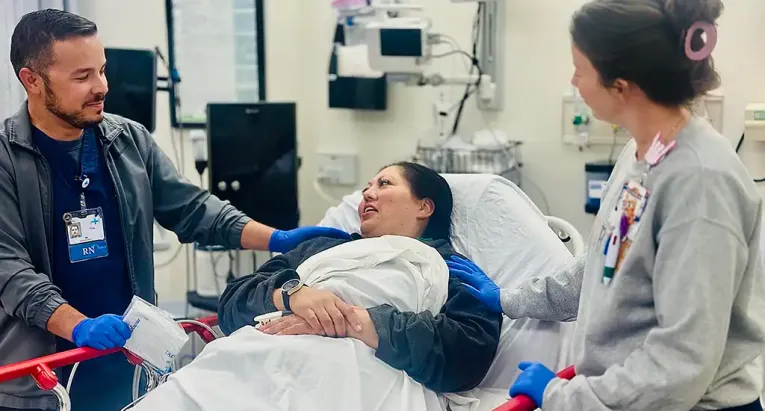
At a time when trust in institutions is being tested, nursing occupies a unique position. For 24 consecutive years, nurses have ranked as the most trusted profession in America according to Gallup’s annual honesty and ethics survey. According to Gallup’s most recent findings, approximately 75% of Americans rated nurses highly for honesty and ethical standards, far exceeding ratings for most other professions.
Trust alone does not solve healthcare’s challenges. But it creates opportunity.
Patients are increasingly turning to digital platforms, social media, podcasts, and online communities for health information. While access to information has never been greater, distinguishing evidence-based guidance from misinformation has become increasingly difficult.
Recent national conversations surrounding journalism, transparency, and editorial independence have highlighted the importance of trusted voices willing to prioritize facts, accountability, and the public interest. While journalism and nursing serve different functions, both professions share a commitment to informing, educating, and serving the public.
Nurses have long fulfilled that responsibility at the bedside. Increasingly, they are doing so in public forums, on media platforms, through educational initiatives, and through community outreach efforts designed to help people make informed decisions about their health.
Healthcare Innovation Requires Frontline Insight
Innovation is often associated with technology. But some of healthcare’s most significant advances begin with identifying a problem and finding a better way to solve it. Nurses have long been at the center of those efforts.
From improving patient safety and infection prevention to strengthening care transitions and reducing preventable harm, nurses have driven changes that have transformed healthcare delivery. Their contributions are frequently rooted in firsthand observations of patient needs and system vulnerabilities.
Today, healthcare organizations are investing heavily in artificial intelligence, predictive analytics, remote monitoring, digital health tools, and new models of care delivery. While these technologies hold significant promise, their success ultimately depends on how effectively they serve patients and integrate into clinical workflows.
Nurses understand those realities. They see the barriers patients face, the operational challenges clinicians encounter, and the unintended consequences that can emerge when solutions are implemented without frontline input. Innovation is not simply about what can be built. It is about what improves care.
Nursing’s Voice Belongs Wherever Healthcare Decisions Are Made
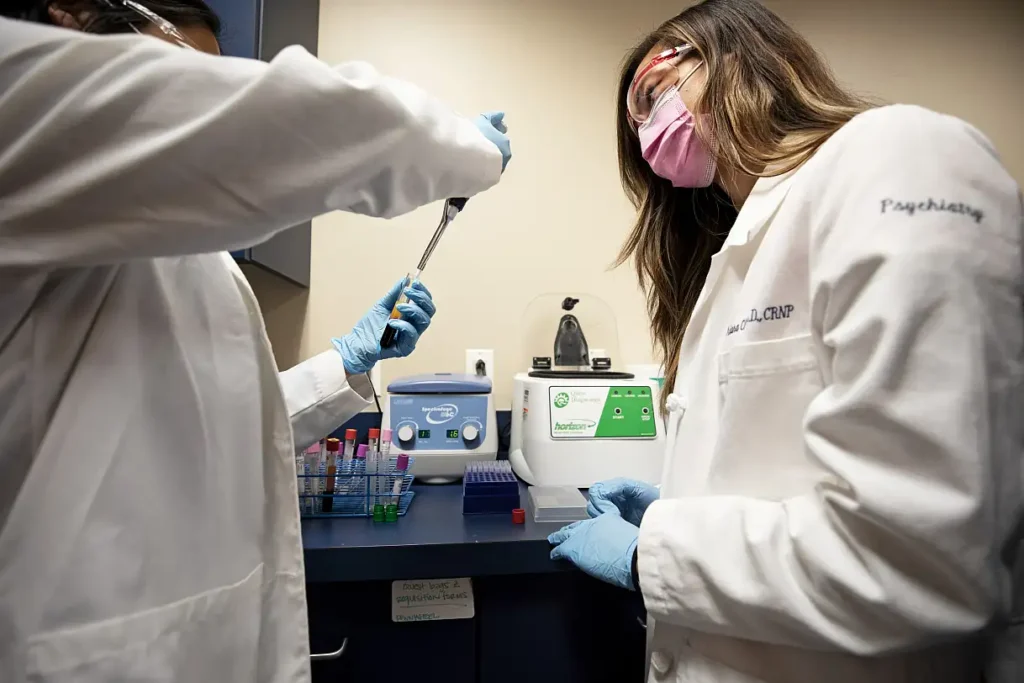
The bedside remains the heart of nursing. It is where trust is earned, relationships are built, and lives are changed.
But healthcare’s most important decisions increasingly occur beyond individual patient encounters. From patient safety and workforce strategy to public health, innovation, policy, and healthcare communication, nurses are helping shape the systems that influence care on a larger scale. The profession’s expanding influence is not a departure from nursing’s roots. It reflects growing recognition that nursing expertise belongs wherever decisions affecting patients and communities are made.
As healthcare continues to evolve, one thing is becoming increasingly clear: the future of healthcare will be stronger when nursing’s voice is part of the conversation.
