


GLP-1 medications are reshaping obesity treatment—presenting a new, non-surgical hope for patients. But in real life, many hit obstacles and stop these therapies before seeing real progress. Why?
Hanna Weitzman Flanigan, DNP, MSN, ANP-C, RN, CNOR, based in Queens, New York, is working to change that. Her quality initiative focuses on improving medication adherence through a simple but often overlooked intervention: structured follow-up phone calls.
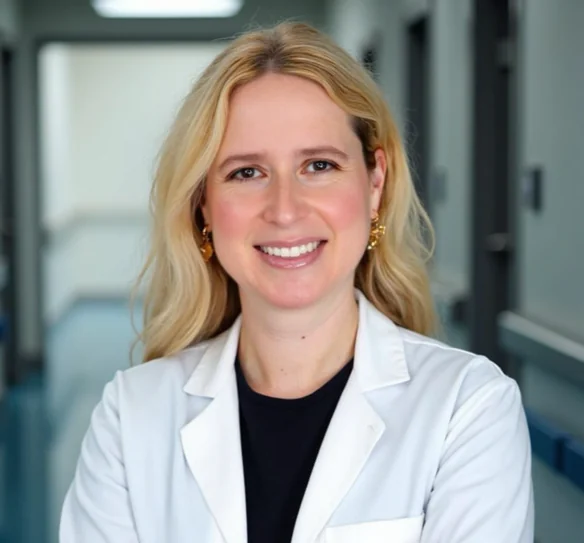
Part of Nurse Approved’s Special Nurses Month series: The Unseen Shifts
Her work highlights a growing disconnect between the promise of GLP-1 therapies and how patients use them in everyday life.
Through her nurse-led follow-up calls, Hanna Weitzman Flanigan skyrocketed adherence from 43.3% to an impressive 92.3%. Imagine the impact for patients striving for lasting weight management!
When Treatment Exists, But Outcomes Fall Short
For many patients, GLP-1 medications represent an alternative to bariatric surgery, yet adherence remains a significant barrier.
“Most patients seek bariatric surgery because they did not lose weight on GLP-1s due to poor adherence and remain overweight or obese,” Weitzman Flanigan said.
At the same time, she meets patients who undergo surgery—only to battle frustrating weight regain years later. Some even face the prospect of more procedures. Their stories matter.
“I would like to incorporate GLP-1 in conjunction with bariatric surgery, 12 months post-surgery, before weight regain occurs but after the risk of nutritional deficiencies is minimized, to assess the results of combined therapy,” she said.
Her observations echo a larger struggle in obesity care: countless patients abandon GLP-1 medications within the first few months, often missing out on the benefits they hoped for.
Why Patients Stop Taking GLP-1 Medications
In the clinic, the root causes of stopping GLP-1s prove more complicated than you might expect. What’s really going on?
“The most common reasons patients discontinue GLP-1s include gastrointestinal side effects, especially nausea and vomiting, dislike of needles, social isolation from being unable to enjoy outings with family and friends because of feeling full, and the cost of the medication,” she said.
Beyond physical side effects, patients wrestle with expectations influenced by dramatic media stories. It’s easy to feel confused or discouraged.
“Patients often believe that GLP-1 medication is for quick weight loss, does not require a long-term commitment, and that they will lose a significant amount of weight,” she said.
A Simple Intervention With Measurable Impact
Seeking solutions, Weitzman Flanigan launched an initiative: “Implementation of a Follow-Up Call to Improve GLP-1 Medication Compliance.” Could one simple action change everything?
Here’s how it works: after two weeks on a GLP-1 prescription, patients complete the Morisky Medication Adherence Questionnaire. Then, a nurse calls—offering support, answering questions, and uncovering risks with a warm, structured script.
“The nurse provides guidance, support, and education to mitigate potential adverse reactions, answers any questions the patient may have, and immediately forwards any potential health risks or concerns to the physician for further assessment,” she said.
The mission? Transform not just adherence, but also how people understand GLP-1 medications.
“DNPs need to teach their patients and help shift the perception that GLP-1 medications are a quick fix for long-term weight loss,” she said.
Results That Point to a Larger Opportunity
The results? Nothing short of impressive.
“The adherence rate increased from 43.3% pre-intervention to 92.3% post-intervention,” Weitzman Flanigan said. “I also observed clinically meaningful weight reduction in these patients.”
These outcomes show that smart, nurse-driven interventions can help patients thrive while ensuring that costly therapies deliver real results.
“Without early adherence support, high-cost pharmacologic therapies fail to deliver sustained benefits, resulting in avoidable healthcare spending and poor return on investment,” she said.
Bridging the Gap in Obesity Care
Obesity affects more than 40% of U.S. adults, and non-adherence continues to limit the effectiveness of available treatments.
“Non-adherence is definitely affecting obesity rates,” she said.
Her work also explores how GLP-1 therapies can be integrated before and after bariatric surgery to support long-term weight management.
“It helps set expectations and builds trust with patients, enabling a collaborative effort to reduce obesity,” she said.
The Role of Education and Expectation Setting
A key component of long-term success is patient education.
“Patients must understand that GLP-1s require a long-term commitment and should be used as supplementary therapy rather than a cure,” she said. “Discontinuing GLP-1s can lead to weight regain.”
Getting the facts straight is more important than ever.
“There is a lot of misinformation out there regarding GLP-1s,” she said. “Everyone responds differently to a GLP-1, and there is still much that remains unknown and needs further study.”
A Scalable Model for Nursing Practice
Weitzman Flanigan’s initiative demonstrates how nurses can lead the development of practical, scalable solutions to complex healthcare challenges.
“Telephone-based follow-up offers a cost-effective approach that can be integrated into existing clinical workflows,” she said. “Compared with resource-intensive interventions, structured follow-up calls require minimal investment while delivering meaningful improvements in patient engagement and adherence behaviors.”
Speaking as a member of Sigma Nursing, she underscores how nurse-led innovation can close critical gaps in care delivery.
Looking Ahead
Weitzman Flanigan is exploring opportunities to expand the initiative through multiple follow-up calls at key intervals, including three, six, 12, and 18 months, to better understand long-term adherence patterns.
Her journey signals a powerful transformation in how healthcare supports people fighting obesity.
Effective treatment combines the right medication with ongoing education and support.
Sometimes, better health begins with a single phone call. Are you ready to pick up?
