

Inside pediatric cardiac intensive care units, bedside nurses know the emotional weight after a surgical consult. A toddler recovers, chest tubes are removed, and parents breathe. Yet as doctors explain the road ahead, everyone faces a hard truth. An artificial pediatric heart valve saving a child today will eventually become too small for their growing body.
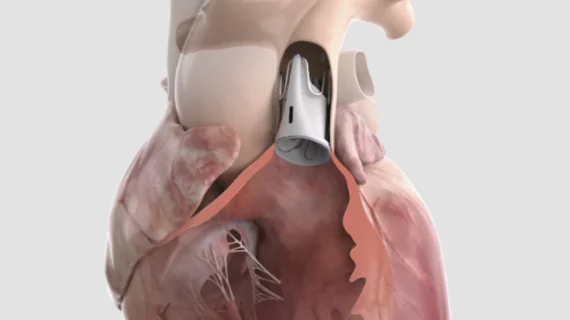
On Oct. 1, 2026, federal regulators moved to break that cycle. The FDA granted Premarket Approval to Edwards Lifesciences for this groundbreaking device. It is also designated as a size-adjustable heart valve, child cardiac valve, or expandable pediatric valve. Known commercially as the Autus Size-Adjustable Valve, the device expands as a child grows.
For clinicians, surgical teams, and families, the approval changes care deeply. The new pediatric heart valve replaces repeated open-heart surgeries with simple outpatient catheter dilations. It gives young patients a chance to grow up without endless operations.
The Re-Operation Loop in Pediatric Heart Valve Care
Every year in the United States, roughly 40,000 babies are born with a congenital heart defect, according to CDC congenital heart defects data. Among these, severe pulmonary valve malformations, such as stenosis or atresia, affect nearly 4,200 newborns annually, starving the lungs of vital blood flow.
While initial surgeries reconstruct the heart, many children are left with chronic pulmonary regurgitation. Over time, blood leaks backward into the right ventricle, stretching the heart muscle and making total valve replacement unavoidable. Managing complex post-surgical discharge and home care for these fragile patients requires specialized, tailored family communication, particularly when navigating medication management and language barriers in pediatric care.
Historically, replacing a valve in a toddler forced surgeons into an agonizing trap. Traditional replacement valves use animal tissue from cows or pigs mounted on fixed-diameter frames. In young, active children with fast immune systems, animal tissue calcifies and degrades within years.
Because fixed frames cannot grow, a valve implanted in a two-year-old turns into a dangerous bottleneck as the child reaches school age. As a result, children with severe valve disease historically faced three to five open-heart sternotomies before reaching adulthood, enduring compounding physical trauma, scar tissue, and emotional exhaustion.
How the Size-Adjustable Pediatric Heart Valve Works
The Autus device overcomes these barriers by merging transcatheter mechanical expansion with advanced polymer engineering.
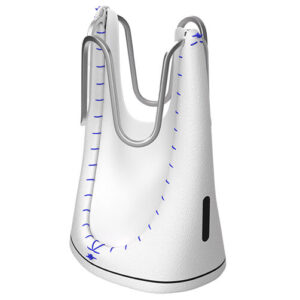
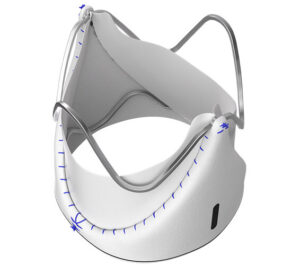
Surgeons initially implant the pediatric heart valve at a diameter as small as 13 millimeters, perfectly sized for toddlers and preschool-aged children. As the child grows, interventional cardiologists can widen the valve inside a cardiac catheterization lab using a standard inflatable balloon catheter. The frame expands incrementally up to 22 millimeters, reaching an adult-sized diameter without opening the child’s chest.
Additionally, the device replaces animal tissue with flexible synthetic polymeric leaflets. This marks the first time the FDA has approved synthetic polymer leaflets for any pediatric heart valve indication. Engineered to resist early calcification, the synthetic leaflets maintain smooth motion across years of pediatric growth.
Trial Results for the Expanding Pediatric Heart Valve
The FDA grounded its decision on data from a 62-patient multi-center clinical study across 12 U.S. medical centers, as outlined in the FDA newsroom announcements.
Surgical teams achieved a 100 percent procedural success rate across all trial participants, with zero deaths, zero strokes, and zero blood clots requiring treatment. At six months post-surgery, blood flow through the right side of the heart remained healthy, with no more than mild regurgitation across evaluated patients. Achieving zero major surgical complications across 12 medical centers reinforces broader clinical research linking specialty-certified nursing teams to improved patient outcomes in high-acuity pediatric environments.
Crucially, the trial delivered real-world proof of non-surgical growth. Two young patients who outgrew their initial implants successfully underwent catheter balloon expansion in the cath lab, restoring normal heart function without an open-heart operation.
“For children born with congenital heart disease, valve replacement timing has always been an agonizing decision,” said Dr. Emile Bacha, surgeon-in-chief at NewYork-Presbyterian/Columbia University Irving Medical Center and trial investigator. “Having a pediatric heart valve that expands via catheter from toddlerhood into young adulthood fundamentally changes how we plan early reconstructions and gives these children a chance at a normal childhood.”
Long-term safety tracking remains ongoing. Clinical imaging during trial follow-ups identified subclinical frame fractures in three patients and reduced leaflet movement in two patients. Neither issue caused clinical symptoms or heart failure, but the FDA and Edwards Lifesciences are conducting mandatory post-market studies to monitor frame durability over multi-year expansion cycles.
Transforming Health Systems with Adaptive Technology
Beyond the emotional relief for families, the approval delivers vital operational benefits for healthcare leaders and nursing executives.
According to CDC health economics reports, hospitalizations for congenital heart defects cost the U.S. healthcare system nearly $9.8 billion each year. Shifting repeat valve adjustments from complex open-heart surgeries to outpatient catheter procedures frees up critical intensive care unit beds, shortens hospital stays, and lowers the total cost of care.
The device is also the first pediatric heart valve technology approved through the FDA Total Product Life Cycle Advisory Program, known as TAP. As federal regulators accelerate Breakthrough Device reviews, clinicians continue to adapt to shifting nursing responsibilities during pre-approval and early device rollouts.
For healthcare providers watching young patients grow, this approval delivers more than an advanced implant. It gives young heart patients the freedom to live a full childhood without holding their breath.
