
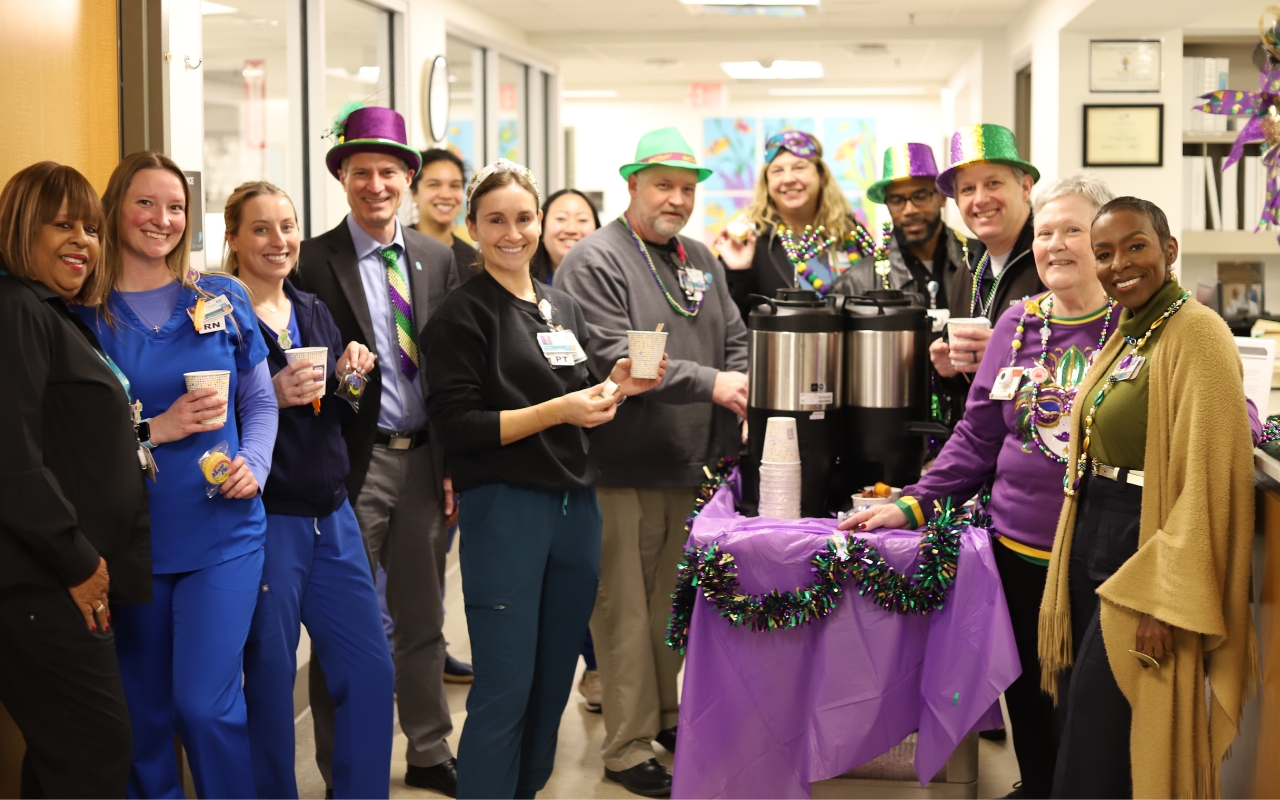

Touro Hospital sits directly on the Mardi Gras parade route in New Orleans. When the city celebrates, the emergency department works.
For Austin Conlay, RN, clinical supervisor for the emergency department at Touro Hospital, part of LCMC Health, Mardi Gras is not a sidewalk spectacle. It is a demanding clinical environment shaped by crowd movement, road closures, and seasonal injury patterns.
There is no formal “Mardi Gras role” inside the ER. The assignment board looks the same. The pace does not.
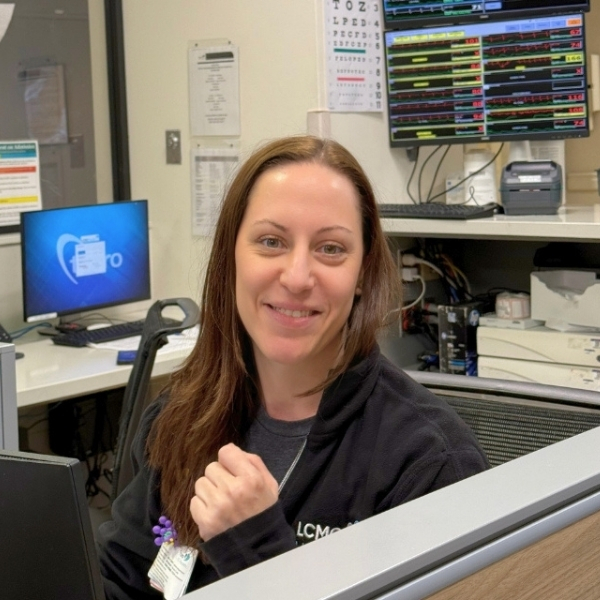
What Mardi Gras Looks Like From Inside the ER
“During Mardi Gras, Touro is boxed in by most parade routes,” Conlay explains. “We may experience lulls while the parades roll, but overall tend to see more cases of dehydration, intoxication, and injuries related to falls.”
The hospital’s location within what locals call “the box” creates a distinct rhythm. Access points narrow. Traffic patterns shift. Patient flow rises and falls in response to parade timing rather than traditional daily trends.
“Being directly on the parade route, or what is known as the box, tends to lead to volume spikes. We tend to see the volume spikes in waves tied to parade timing. Those spikes are usually seen more often before parades start and after parades stop. During the parade, we usually see patients who are nearby on the parade route or who live near the hospital within the box.”
For emergency nurses, anticipating those waves becomes part of the shift mindset.
What is it like to work an ER Shift During Mardi Gras?
Working an ER shift during Mardi Gras at Touro Hospital in New Orleans means preparing for fluctuating patient volume tied to parade schedules, treating increases in dehydration and intoxication, and managing fall-related injuries while maintaining rapid, direct communication under pressure.
The First Sign it is Not a Typical Shift
The change begins before the report.
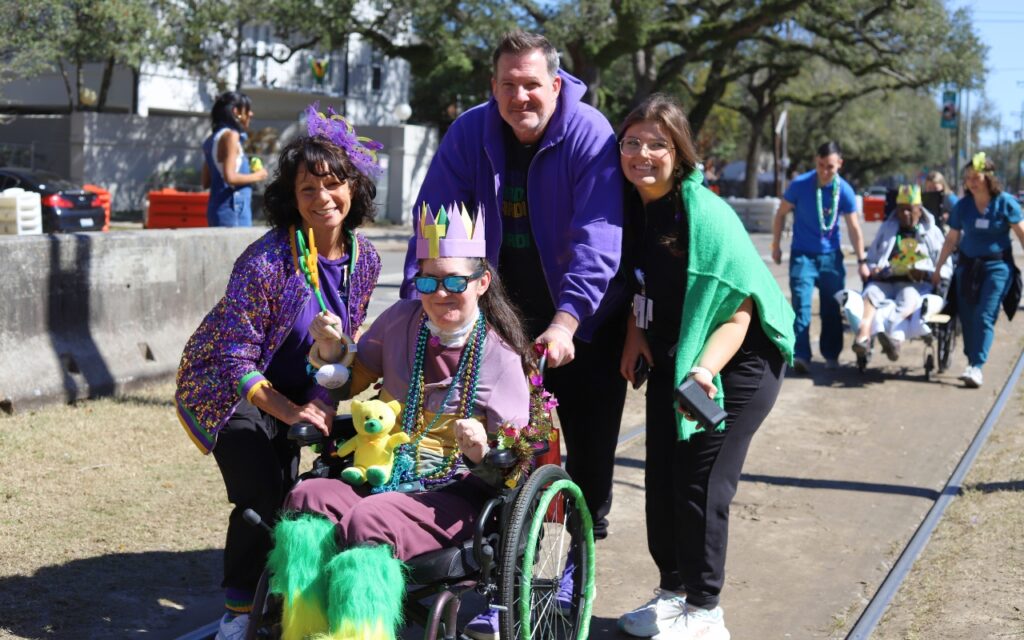
“Barricades blocking routes to work, people lined up on the side of the roads in the early morning, patients checking in with Mardi Gras beads on.”
Commute planning becomes an operational strategy. Road closures and traffic congestion must be accounted for to ensure appropriate staffing coverage.
Preparing Without a Formal Mardi Gras Protocol
Despite the seasonal surge, there is no specialty designation in the ER. Preparation focuses on staffing and logistical awareness.
“We do our best to staff the unit accordingly. We ensure staff know what to expect with road closures and traffic so everyone can arrive without delay.”
External conditions become part of internal planning. Crowd density and street closures influence arrival patterns and staff access, requiring coordination before the first patient is triaged.
Clinical Patterns on the Ground
While every emergency department shift carries unpredictability, Mardi Gras brings consistent trends.
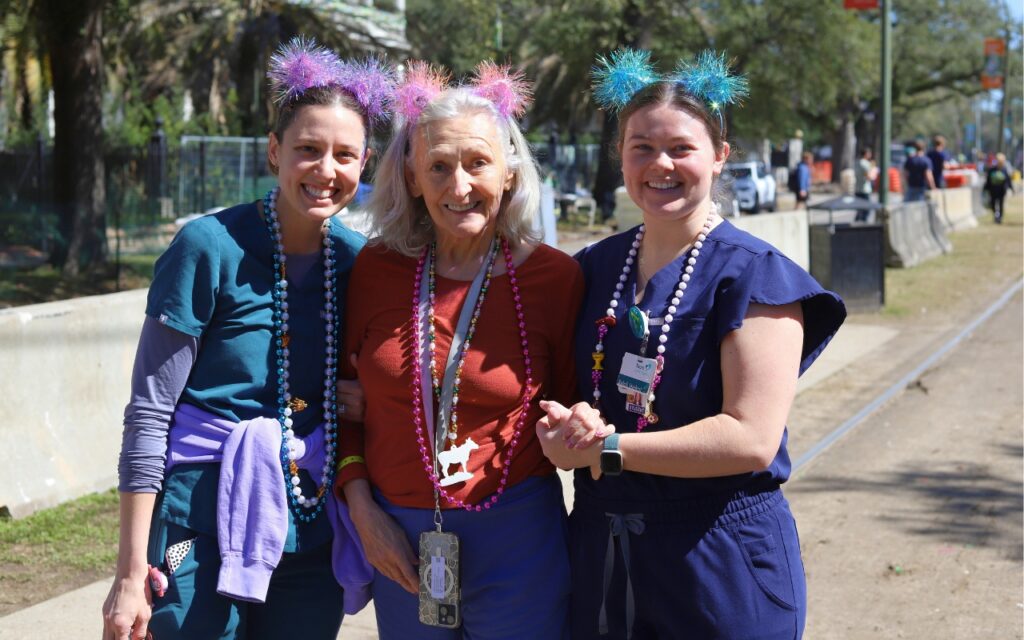
“We tend to see more cases of intoxication, dehydration, and injuries related to falls or being hit with Mardi Gras throws.”
For nurses, this translates into focused assessment and intervention:
• IV fluid administration for dehydration
• Monitoring patients with altered mental status
• Treating minor trauma and orthopedic injuries
• Rapid triage during clustered arrivals
Patients often arrive in groups, creating simultaneous demands on triage, bed placement, and interdisciplinary coordination.
When Pressure Spikes, Teamwork Tightens
Emergency departments rely on teamwork daily. During peak periods, that teamwork becomes sharper.
“Teamwork is always essential in the ER; however, when pressure and patient volume spike, it is the key to success. Communication may become shorter and more direct; calls that are made are fast and centralized with the goal being speed and clarity.”
Under strain, communication streamlines. Clarity replaces elaboration. Speed supports safety.
Inside the department, the focus remains steady: rapid assessment, coordinated care, stabilization.
Nursing Insight From Inside the Box
Practicing emergency nursing during Mardi Gras highlights how geography and community events shape clinical workflow. The setting is celebratory. The work is precise.
Shifts are influenced by public gathering patterns, infrastructure constraints, and predictable injury trends. Clinical priorities remain constant: assess quickly, communicate clearly, collaborate effectively.
Inside the box, nurses are not watching the parade. They are managing the impact it brings.
When the final float passes and barricades come down, the emergency department continues its steady rhythm, ready for whatever arrives next.
