


Looking for meaningful reads during Women’s History Month? These 10 powerful books written by women offer nurses and healthcare professionals a deeper understanding of the people, policies, and social forces that have shaped modern healthcare.
Written by physicians, journalists, historians, and public leaders, these works explore medical ethics, occupational health, racial disparities in medicine, cultural competence, leadership, and patient advocacy. Some focus directly on clinical practice, while others examine the historical and societal forces that influence patient care.
From the story of Henrietta Lacks to modern conversations about structural inequity and health disparities, these books offer context that strengthens clinical insight and professional awareness.
Medical Ethics and Research Integrity

1. The Immortal Life of Henrietta Lacks by Rebecca Skloot
In 1951, Henrietta Lacks’ cancer cells were taken without her consent and became the first immortal human cell line, known as HeLa cells. These cells have contributed to decades of biomedical research.
Clinical relevance: The book underscores the evolution of informed consent, patient rights, and medical mistrust. For nurses, it reinforces the importance of transparency and advocacy in ethical care.
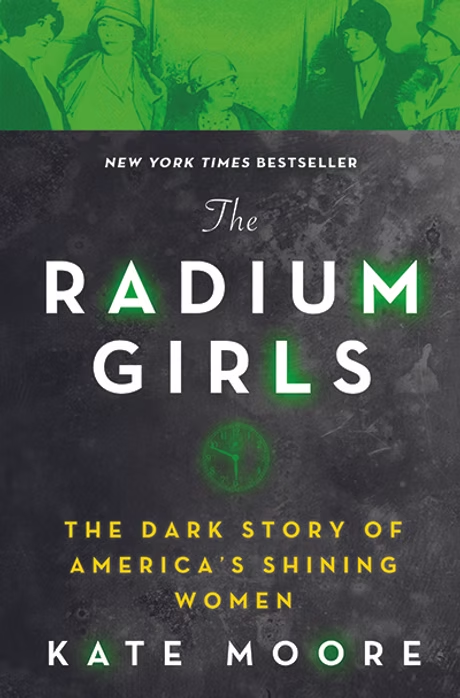
2. The Radium Girls by Kate Moore
This nonfiction account documents women who painted radium watch dials in the early 1900s and later developed severe radiation-related illnesses. Their legal battles helped shape labor protections and workplace safety standards.
Clinical relevance: Nurses in occupational health, public health, and regulatory roles will recognize the deep connection between patient and worker safety.
The Reality of Modern Nursing Practice
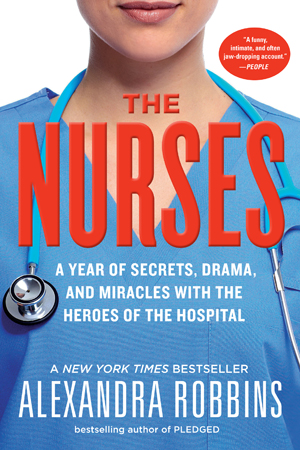
3. The Nurses by Alexandra Robbins
This book profiles nurses across practice settings and explores workload pressures, staffing challenges, and burnout.
Clinical relevance: It reflects ongoing workforce concerns and offers perspective for bedside nurses, educators, and nurse leaders focused on retention and morale.
Race, Bias, and Health Disparities
4. Legacy: A Black Physician Reckons With Racism in Medicine by Uché Blackstock
In this memoir, emergency physician Dr. Uché Blackstock reflects on her experiences navigating medicine as a Black woman while examining the structural racism that shapes healthcare systems and patient outcomes. Drawing from her career in clinical practice and health equity advocacy, she explores how bias, policy, and history intersect in modern medicine.
Clinical relevance: Nurses frequently witness the impact of health disparities in real time. This book offers an important perspective on systemic inequities in healthcare and encourages clinicians to examine how structural factors influence patient care and access.
Mental Health Reform and Patient Rights
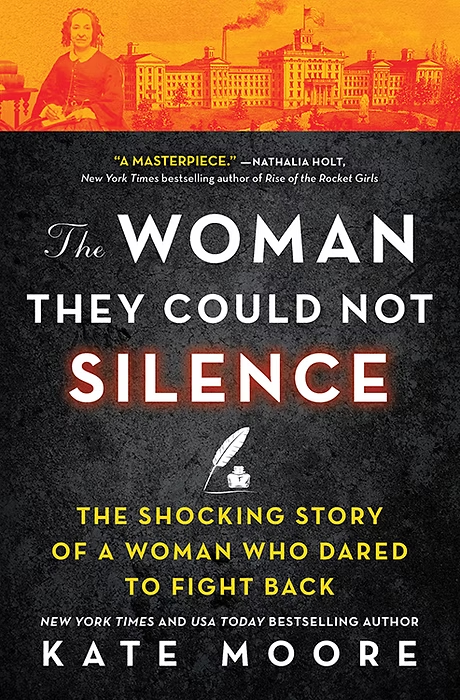
5. The Woman They Could Not Silence by Kate Moore
Elizabeth Packard was involuntarily committed to an asylum in 1860 and later became an advocate for women’s legal and mental health rights.
Clinical relevance: The book provides historical context for modern patient protections, informed consent laws, and mental health advocacy.
Leadership and Professional Growth

6. Year of Yes by Shonda Rhimes
Shonda Rhimes reflects on stepping into leadership and confronting professional fear.
Clinical relevance: Many nurses serve as unit leaders, educators, and advanced practice providers. This memoir speaks to visibility, voice, and professional confidence.
Cultural Competence in Clinical Practice

7. The Spirit Catches You, and You Fall Down by Anne Fadiman
This book recounts cultural misunderstandings between a Hmong family and the U.S. healthcare system during treatment for epilepsy.
Clinical relevance: Often assigned in nursing and medical education, it illustrates how cultural differences and communication gaps can affect outcomes.
Resilience in Public Leadership

8. Becoming by Michelle Obama
Michelle Obama reflects on identity, service, and navigating public life.
Clinical relevance: Nurses working in high-stakes environments may relate to themes of resilience, work-life balance, and sustained leadership.
Structural Inequity and Public Health
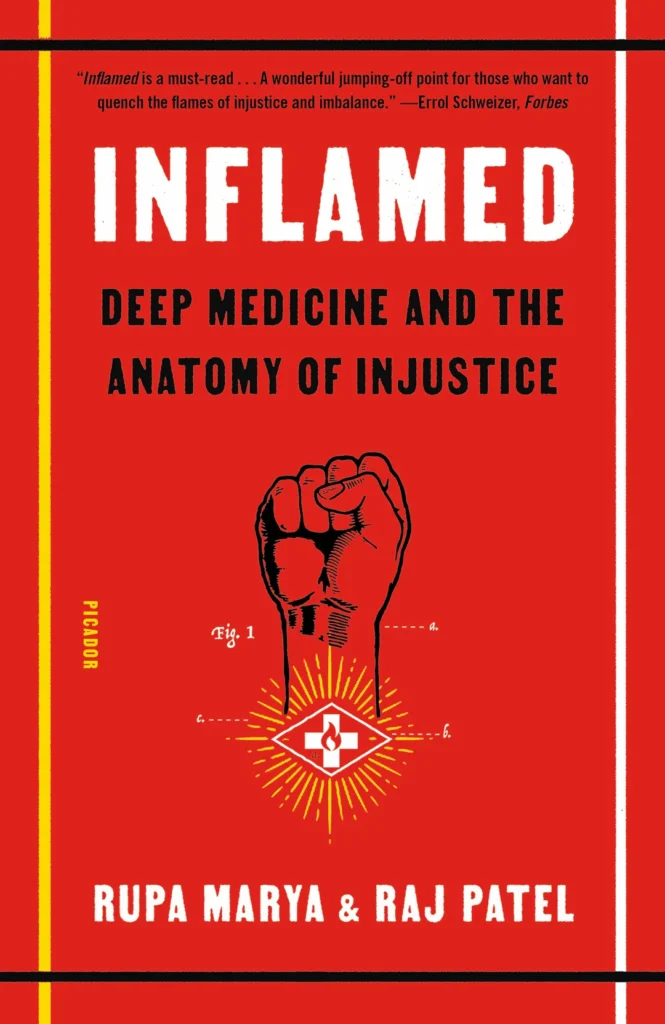
9. Inflamed: Deep Medicine and the Anatomy of Injustice by Rupa Marya and Raj Patel
This book explores how social inequality, environmental stressors, and economic systems contribute to patterns of disease.
Clinical relevance: Nurses frequently see how housing instability, food insecurity, and environmental exposures affect health outcomes. The book connects bedside observations to broader public health forces.
Trauma, Identity, and Clinical Vulnerability

10. The Beauty in Breaking by Michele Harper
Emergency physician Michele Harper reflects on training, trauma, race, and patient care.
Clinical relevance: The memoir acknowledges the emotional complexity of healthcare work and the vulnerability inherent in caring for patients during crisis.
Reading as Professional Development
Continuing education in healthcare extends beyond clinical competencies. Historical awareness, ethical reflection, cultural humility, and leadership insight all strengthen practice.
Women have influenced medical research standards, workplace protections, mental health reform, and public health policy. Understanding that history provides context for today’s clinical realities.
For nurses and healthcare professionals, Women’s History Month is an opportunity to read not just for inspiration, but for a deeper professional perspective.
