


Estimated reading time: 7 minutes
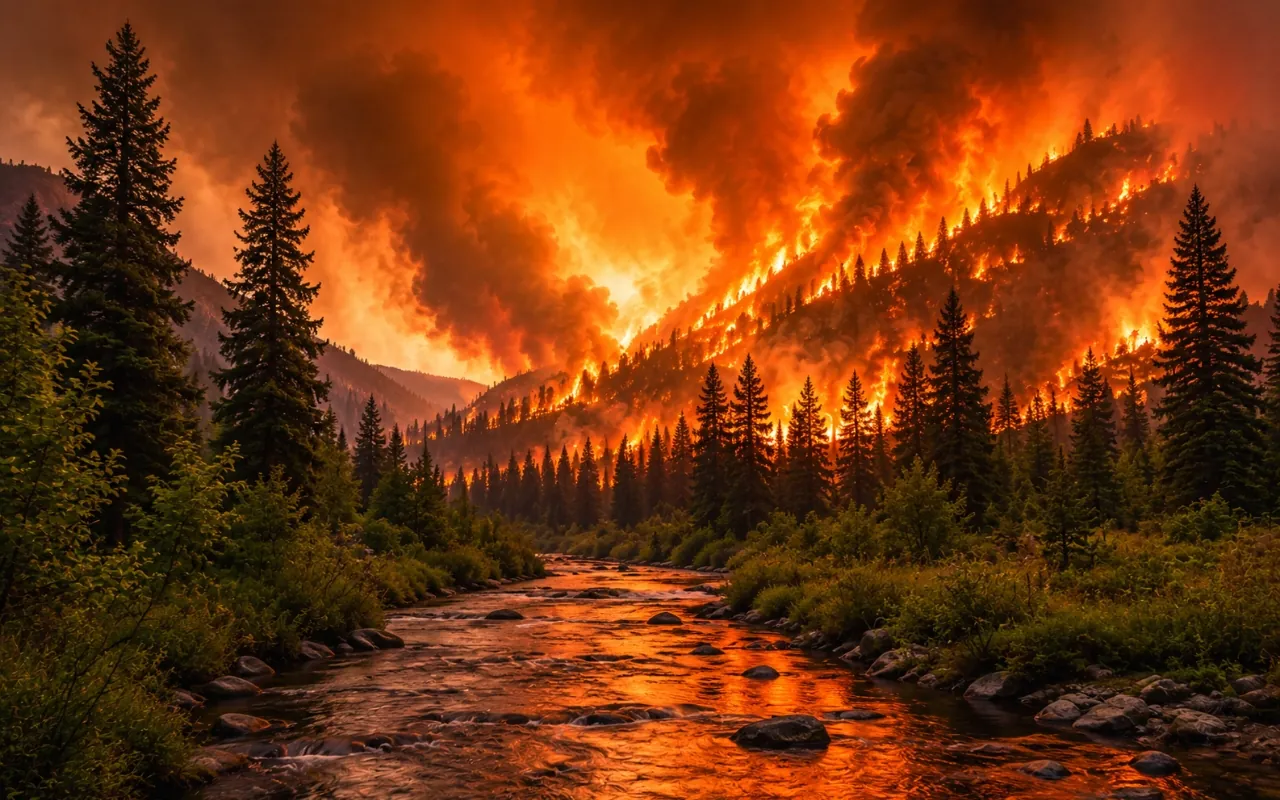
Wildfires have burned more than 8.2 million acres across the United States so far in 2026, putting the amount of land burned at 166% of the 10-year average, according to the National Interagency Fire Center.
As of Aug. 31, firefighters had responded to 52,253 wildfires nationwide, or 126% of the 10-year average for the number of fires. Ninety-three large fires were being actively suppressed, with more than 22,000 firefighters and support personnel assigned nationwide.
For nurses, the consequences can extend far beyond treating burns or caring for patients in communities directly threatened by flames. Wildfire smoke can travel hundreds of miles, chronic care can be disrupted, hospitals can face staffing shortages and evacuations, and nurses may find themselves practicing under extraordinary conditions while still responsible for documentation, communication, and staying within their scope of practice.
That means wildfire preparedness can no longer focus primarily on what happens after a fire starts.
“Years ago, wildfire preparedness focused largely on emergency response after a fire occurred. Today, nurses must be prepared for a broader role that includes climate-related risk assessment, public education, protection of vulnerable populations, and mental health support,” said Jennifer Flynn, CPHRM, vice president of risk management for Nurses Service Organization (NSO) in the Healthcare Division of Aon’s Affinity Insurance Services, Inc.
“As climate change increases the frequency and severity of wildfires, heat events, flooding and extreme weather, nurses play a critical role in preparedness, response, recovery and patient education,” Flynn said. “Modern nursing practice requires a proactive approach that extends beyond traditional disaster response.”
Want to see more Nurse Approved articles in your Google results? Add us as a preferred source.
Add Nurse Approved as apreferred source on Google
Wildfire Patients May Arrive Without Burns
Burns may be among the most visible consequences of a wildfire, but nurses should anticipate a much wider range of health problems.
“During wildfire events, nurses may expect to see an increase in health conditions such as respiratory distress, asthma/COPD exacerbations, cardiovascular complications, eye and airway irritation, heat-related illness, and mental health concerns,” Flynn said. “Nurses should be prepared to rapidly identify deterioration in vulnerable populations, provide patient education on smoke exposure, and support continuity of care for those with chronic conditions.”
Patients at particularly high risk include older adults, people with respiratory conditions or other chronic illnesses, and pregnant patients.
Some complications may be easier to miss when attention is focused on respiratory symptoms.
“While respiratory symptoms often receive the greatest attention during wildfire events, nurses should remain alert for less obvious complications such as cardiovascular deterioration, dehydration, medication disruptions, mental health concerns, and functional decline in vulnerable patients,” Flynn said.
A Preventable Risk: Losing Continuity of Care
Evacuations, power failures, and disrupted healthcare services can interfere with patients’ ability to manage existing medical conditions, creating risks that the immediate emergency may overshadow.
“During wildfires, evacuations, power outages, and climate-related disasters, patients often lose access to medications, oxygen, dialysis, insulin, durable medical equipment, or their usual healthcare providers,” Flynn said. “Nurses may focus on the immediate crisis while overlooking whether patients can safely continue managing their chronic conditions.”
Healthcare facilities may also need to quickly change how they operate. Flynn pointed to California wildfires, when hospitals tried to keep smoke out by sealing windows and switching to internal air filtration systems.
“This illustrates how healthcare facilities may need to quickly adapt their normal operations to protect patients during a wildfire,” she said.
Wildfire Smoke Can Become a Nursing Issue Hundreds of Miles Away
Nurses do not have to work near an active wildfire to encounter its health effects.
“The effects of wildfire smoke can extend well beyond the immediate area of the fire,” Flynn said. “Smoke-polluted air, which contains compounds such as nitrogen dioxide, sulfur dioxide, carbon monoxide, carbon dioxide and ozone, can travel hundreds of miles.”
Flynn said nurses can follow the Environmental Protection Agency’s Air Quality Index, which describes air quality and identifies populations at increased health risk.
Nurses can reinforce precautions with patients, particularly those in vulnerable groups, including limiting time outdoors when air quality is poor.
Hospitals Need to Prepare for Staffing Disruptions
Wildfires can also challenge healthcare organizations’ ability to maintain staffing and clinical services.
Flynn said hospitals should identify the weather-related disasters their region is most vulnerable to and use that assessment as the foundation for an emergency operations plan.
Staffing plans should identify:
- Who will evaluate and manage staffing needs
- Possible sources of external supplemental staff and how they will be integrated with existing teams
- Possible sources of internal supplemental staff
- Protocols for revising staffing patterns and duties
- Ways support services can be modified to support clinical services
- Plans for canceling nonessential services if needed
Nurses should familiarize themselves with their organization’s disaster response plans and participate in drills and training, Flynn said.
Disaster Conditions Do Not Erase Nursing Responsibilities
A wildfire emergency can force nurses to make decisions quickly, work with limited resources, or take on unfamiliar responsibilities. Those conditions can also create professional liability risks.
“One of the liability risks for nurses during disasters is often not the emergency itself, but the breakdown of fundamental nursing practices under pressure—Failure to follow established emergency protocols, clear documentation, effective communication, adherence to scope of practice, careful triage, and continuity of care,” Flynn said. “When resources are limited, documenting clinical judgment and the circumstances surrounding decisions become essential.”
Nurses should understand their organization’s emergency operations plan, chain of command, and communication procedures before a disaster occurs. They should also know the process if they are asked to perform unfamiliar duties or accept a reassignment.
“Emergency conditions may require flexibility, but nurses should not assume that a disaster declaration automatically permits any task or role,” Flynn said.
“Nurses should continue to function within their scope of practice and adhere to standards of care, even during a rapidly changing emergency.”
In rare situations involving a significant patient surge, an organization may determine that it needs to move from conventional standards of care to crisis standards of care.
Nurses May Be Managing Their Own Crisis, Too
Long hours during wildfire and disaster response can contribute to exhaustion, while repeated exposure to stressful conditions can affect nurses’ emotional well-being.
“During wildfire and disaster response, protecting your own physical and emotional well-being is not separate from patient care—it is an essential component of it,” Flynn said. “Peer support, rest, and early recognition of stress help nurses remain effective when patients need them most.”
Nurses Have a Role Before, During and After a Wildfire
Recent wildfire disasters have shown that healthcare organizations must prepare for more than burns and direct fire exposure. Widespread smoke, patient surges, staffing shortages, evacuations and interruptions to normal operations can all become part of the response, Flynn said.
When a wildfire or another weather-related crisis threatens, organizations should activate their emergency operations plans. As staffing and resources are mobilized, leaders and staff should use shared decision-making to guide allocation decisions, establish triage centers when needed, and prepare for possible evacuations by assessing patients’ care needs.
Nurses can contribute during all four phases of disaster management.
Mitigation: Nurses can learn about the health implications of wildfires and educate the public about potential health effects.
Preparation: Nurses can help individuals, families, and communities understand how to stay safe during a wildfire. They can assess whether supplies are sufficient and counsel patients on preparing “to go” bags in case evacuation becomes necessary.
Response: Nurses can support triage and patient care, assist people who have lost their homes, and remind patients to limit time outdoors when air quality is poor.
Recovery: Nurses can help communities return to functional levels and remain alert for signs and symptoms of anxiety and depression.
3 Things Nurses Should Remember Before the Next Wildfire
If nurses remember only three things before the next wildfire emergency, Flynn said preparation comes first.
“First, familiarize yourself with your organization’s disaster response plan and participate in drills and training. Preparation is key to an effective response,” she said.
Second, nurses should think beyond burns.
“Wildfire smoke can exacerbate respiratory conditions, contribute to cardiovascular complications, cause eye and skin irritation, and negatively affect mental health, even far from an active fire,” Flynn said.
And third, nurses need to recognize when they need support themselves.
“Just as nurses encourage patients to seek help before a condition becomes a crisis, nurses should do the same for themselves and feel comfortable accessing resources available to them,” Flynn said.
The fundamentals of nursing practice remain important even when circumstances are anything but routine.
“Protecting your nursing license and practice from allegations of malpractice involves documenting care completely, continuing to function within your scope of practice, and adhering to standards of care,” Flynn said. “These steps help protect both patients and nurses during an emergency.”
