


Spring Break brings travel, crowded social gatherings, and unfamiliar environments. While these trips are meant to create lasting memories, healthcare professionals say the same conditions can also increase risk. Sexual assault remains a serious public health issue across the United States. During high-travel periods like Spring Break, hospitals may see patterns linked to large gatherings, unfamiliar settings, alcohol use, and time spent away from trusted support systems.
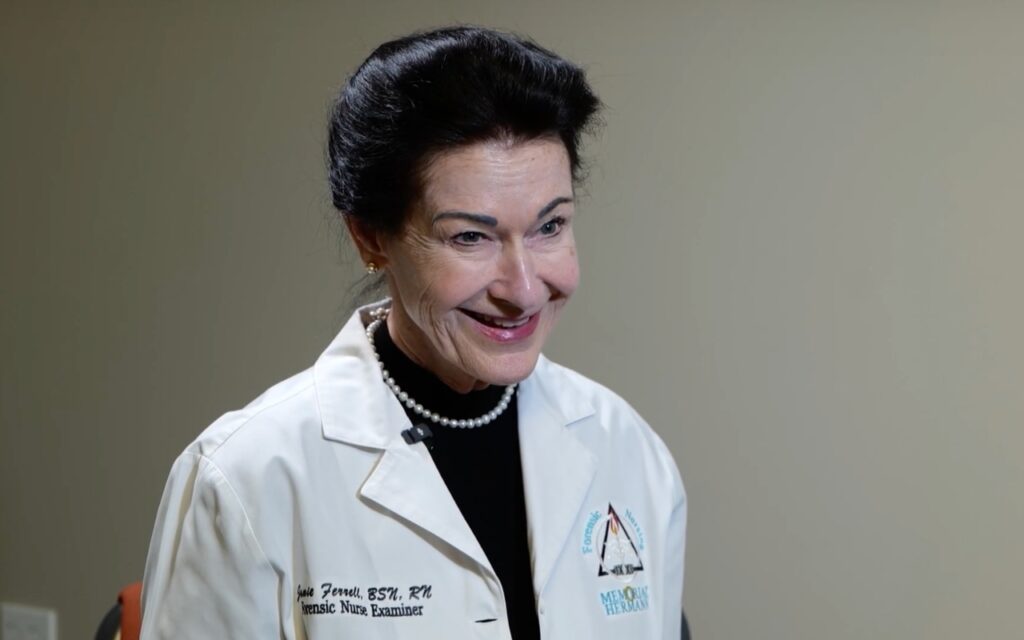
To help raise awareness about prevention and survivor support, Jamie Ferrell, Director of Forensic Nursing Services at Memorial Hermann Health System in Houston, Texas, shares what people should understand about sexual assault care and the critical role forensic nurses play when survivors seek help.
The Role of a Sexual Assault Nurse Examiner
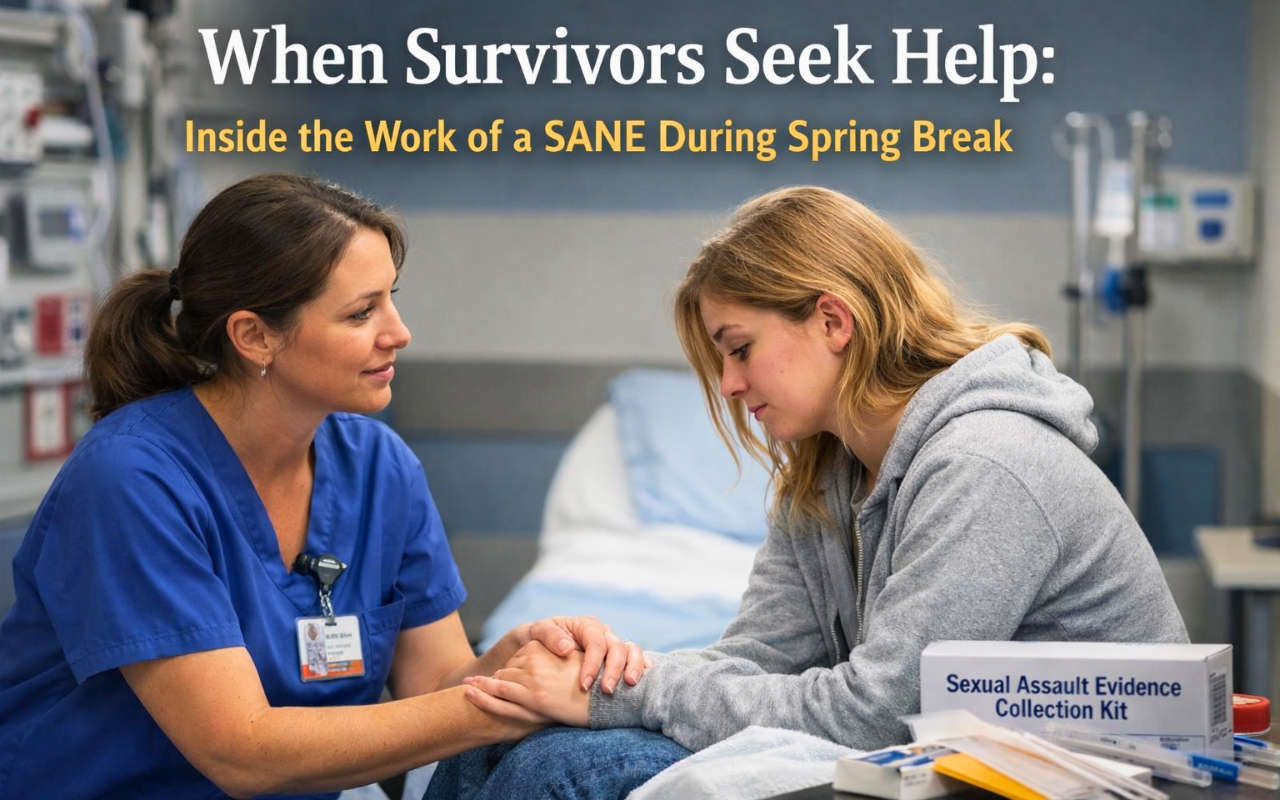
A Sexual Assault Nurse Examiner (SANE) is a specially educated registered nurse trained to provide trauma-informed, compassionate, and comprehensive care to survivors of sexual assault.
“A Sexual Assault Nurse Examiner is uniquely designed to address the physical, emotional, and psychological needs of this patient,” Ferrell explains.
SANEs conduct a comprehensive medical assessment, identify injuries, discuss medications that may help prevent sexually transmitted infections or pregnancy, and carefully collect forensic evidence that may later be used if the survivor chooses to pursue a legal investigation.
Equally important is how that care is delivered.
“They deliver care in a trauma-informed way, ensuring that patients have control over each step of the process,” Ferrell says. “Survivors can choose what parts of the exam they want or do not want, without pressure.”
The goal is to provide dignified, patient-centered care while preserving options for healing and justice.
When Survivors Seek Care
When a survivor arrives at the hospital after a sexual assault, the immediate priority is their safety and medical well-being.
Texas designates certain hospitals as SAFE (Sexual Assault Forensic Exam)-Ready Facilities, including all Memorial Hermann acute care hospitals. At these facilities, survivors are brought to a private setting where a trauma-informed professional explains their options.
“The survivor is empowered to control the pace of their care,” Ferrell says.
Care may include treatment for injuries, medications to prevent infections or pregnancy, and the option to collect forensic evidence. Each step is explained in advance, and patients can pause, skip, or stop the process at any time.
Importantly, seeking medical care or evidence collection does not require someone to immediately report the assault to law enforcement.
“The focus is on restoring a sense of control, addressing medical needs, and connecting survivors with support services such as advocacy and counseling,” Ferrell says.
Why Medical Care Matters
Fear, shame, or uncertainty can prevent survivors from seeking help, but Ferrell says medical care is available regardless of whether someone decides to report the assault.
“If someone is unsure whether they should seek care after the sexual assault, the most important thing to know is that they deserve to protect their health and have support regardless of what they decide about reporting the incident,” she says.
Hospitals with forensic nursing services offer confidential care focused on safety, health, and emotional support. Ferrell emphasizes that survivors receive information and compassionate care so they can decide when they feel ready to involve law enforcement.
Seeking care can also address potential injuries, help prevent infections, and connect survivors with resources that support healing.
Timing Can Be Important
Medical care soon after an assault may allow access to certain treatments.
Some medications, including HIV prophylaxis, must be started within 72 hours of the assault. Other medications used to prevent infections or pregnancy are most effective when provided early.
Forensic evidence collection is also time-sensitive. In Texas, evidence can be collected within 120 hours, or five days, after an assault.
Even if that window has passed, Ferrell says survivors should still seek care.
“Medical providers can treat injuries, offer support services, and discuss available options. Survivors should not avoid care simply because they believe it is ‘too late.’”
Understanding the Reality of Sexual Assault
Many people assume sexual assault most often involves strangers, but Ferrell says that is not typically the case.
“In reality, the majority of survivors know the person who harmed them,” she explains.
Patients commonly seek care after situations involving acquaintances, dates, coworkers, or friends. Other cases involve impaired judgment from alcohol, suspected drink tampering, or assaults in initially safe settings, such as parties or group travel.
Periods like Spring Break can increase vulnerability because people may be traveling, spending time in unfamiliar environments, or socializing with new individuals.
“It’s also important to remember that Spring Break is not limited to college students,” Ferrell notes. “Many families travel during this time, and high school students are often participating in trips, celebrations, or social events.”
Situational awareness and planning ahead can help reduce risk, she says, and public awareness during these times is critical because prevention, bystander support, and early access to care can make a significant difference.
Recognizing Drink Tampering
Drink tampering is a concern in crowded social environments where beverages may be left unattended.
Warning signs can include sudden dizziness, confusion, extreme drowsiness, difficulty speaking, or memory gaps that seem disproportionate to the amount of alcohol consumed.
If someone believes a drink may have been tampered with, Ferrell recommends immediately stopping consumption and seeking help from trusted friends, venue staff, or medical personnel.
“It is critical to stay with supportive people and avoid isolation,” she says.
Planning ahead can also help reduce risk. People should watch drinks being prepared, avoid accepting open drinks from unknown individuals, and never leave beverages unattended.
Safety Strategies That Can Make a Difference
Ferrell says small actions can make a meaningful difference when traveling with friends.
Some practical strategies include sharing your location with trusted friends, planning transportation before going out, staying connected, and avoiding leaving anyone alone in unfamiliar places.
Trusting instincts is also important.
“If a situation feels unsafe or uncomfortable, leave and seek help immediately,” Ferrell says.
Friends can also protect one another by checking in regularly, escorting each other when leaving a venue, or stepping in when something feels wrong.
A Message Survivors Need to Hear
For many survivors, the emotional aftermath of sexual assault includes self-blame.
Ferrell says this is one of the most difficult realities healthcare providers witness.
“The message every survivor MUST hear is simple and unwavering: sexual assault is never the victim’s fault.”
She emphasizes that responsibility always lies with the perpetrator.
“Survivors deserve to be believed and treated with dignity, compassion, and support.”
Understanding that what happened was not their fault is often an important step toward healing.
The Impact of Forensic Nursing
Forensic nursing can be challenging work, but Ferrell says it is also deeply meaningful.
“In some of the most vulnerable moments of a survivor’s life, a compassionate healthcare professional can help restore a sense of dignity, safety, and control.”
Forensic nurses uniquely serve at the intersection of healthcare and justice. The care they give after an assault can influence a survivor’s healing for years.
“Forensic nurses stand at the intersection of healthcare, justice, and human compassion—ensuring that survivors are heard, believed, empowered, and supported.”
Ferrell adds that Spring Break should ultimately be a time of celebration and connection.
“When communities look out for one another and survivors know compassionate care is always within reach, we create a culture where safety, dignity, and healing truly matter.”
