
Nursing has long been defined by compassion, clinical expertise, and an unwavering commitment to patient care. Yet for many nurses today, another reality has become impossible to ignore. Burnout, chronic staffing shortages, workplace violence, administrative demands, and concerns about long-term career sustainability are prompting many to reconsider what a successful nurse entrepreneur career can look like.
The profession is facing significant workforce challenges. According to the National Council of State Boards of Nursing’s 2024 National Nursing Workforce Study, more than 138,000 nurses left the workforce between 2022 and 2024, while nearly 40% of registered nurses reported they intend to leave the profession or retire within the next five years. Although many departures are tied to retirement, the report also highlights the ongoing impact of stress, workload, and job dissatisfaction.
Despite those challenges, many nurses are not walking away from healthcare. Instead, they are reshaping their careers by applying their clinical expertise in new settings. Some are launching businesses or consulting practices. Others are moving into executive leadership, health technology, education, media, advocacy, public policy, and nonprofit organizations. Their goal is not to leave nursing behind, but to expand the ways they can influence healthcare while building careers that are both sustainable and fulfilling.
A Shift in How Nurses Define Career Success
The idea that a nursing career must follow a single path is steadily changing. Clinical experience remains the foundation, but nurses are increasingly recognizing that the skills developed at the bedside extend far beyond direct patient care.
Every shift requires critical thinking, communication, leadership, crisis management, and problem-solving. Those same competencies have become valuable in boardrooms, startup companies, universities, government agencies, media organizations, and entrepreneurial ventures.
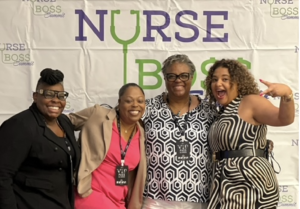
As interest in these career paths continues to grow, so has demand for education, mentorship, and professional communities that understand both the opportunities and the challenges unique to nurses. Conferences focused on leadership and entrepreneurship have become spaces where nurses can learn practical skills, build relationships, and gain exposure to career possibilities they may not have previously considered.
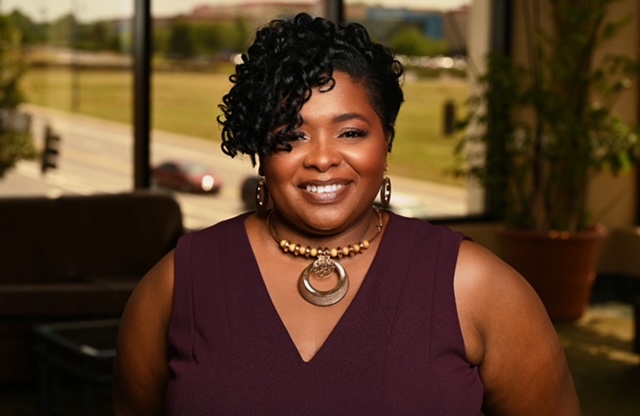
Among those conferences is the Nurse Boss Summit, founded by registered nurse and entrepreneur Dr. Tammy Jurnett-Lewis.
Building a Community for Nurses Ready to Grow
Jurnett-Lewis did not create the Nurse Boss Summit because she believed nurses should leave the bedside. She created it because she repeatedly encountered nurses with talent, vision, and ambition who struggled to see how those qualities could translate beyond traditional roles.
Throughout her career, she met nurses with business ideas they were hesitant to pursue, aspiring leaders who questioned whether they were qualified, and experienced clinicians who wanted greater flexibility without giving up their identity as nurses. Those conversations revealed a common theme. The challenge was rarely a lack of ability. More often, it was a lack of mentorship, exposure, and confidence.
“I wanted to create the conference I wish I had when I first started my entrepreneurial journey,” Jurnett-Lewis said. “The summit isn’t just about motivation. It’s about giving nurses practical strategies they can immediately apply to build businesses, create additional streams of income, become stronger leaders, and leave with real relationships that continue long after the event ends.”
What began as an entrepreneurial conference has evolved into a broader professional development experience. Programming now includes leadership, branding, financial literacy, business strategy, personal development, and innovation, reflecting the many directions a nursing career can take.
Helping Nurses Recognize Their Value
The conference’s broader message is that nurses often possess skills they undervalue.
Clinical decision-making, patient advocacy, team leadership, conflict resolution, and the ability to navigate complex situations under pressure are not skills limited to healthcare settings. They are transferable strengths that can prepare nurses to lead organizations, influence healthcare policy, educate future clinicians, and create solutions to longstanding challenges within the healthcare system.
Jurnett-Lewis says watching nurses recognize that potential has been one of the most rewarding aspects of building the summit.
“What keeps me committed is knowing that one conversation, one connection, or one opportunity can completely change someone’s life.”
She has watched attendees leave with the confidence to launch businesses, pursue executive leadership positions, publish books, establish nonprofit organizations, and develop healthcare innovations. Others return to clinical practice with renewed purpose after reconnecting with why they entered the profession in the first place.
Equally important is the culture the summit aims to foster. Rather than encouraging competition, organizers emphasize collaboration and mentorship, recognizing that collective success strengthens the profession as a whole.
As Jurnett-Lewis often tells attendees, “Collaboration is the new competitive edge.”
Looking Beyond the Bedside
The future of nursing will continue to depend on a strong bedside workforce, but it will also require nurse leaders willing to innovate, advocate, educate, and influence healthcare in new ways.
Career diversification is no longer a niche conversation reserved for aspiring entrepreneurs. It has become part of a broader discussion about workforce sustainability, leadership development, and ensuring nurses have opportunities to grow throughout every stage of their careers.
The Nurse Boss Summit reflects that evolution by encouraging nurses to think beyond job titles and recognize the broader impact they can have on healthcare, business, education, and their communities.
As the profession continues to evolve, one message is becoming increasingly clear. A nursing license is more than a credential to practice. It is a foundation for leadership, innovation, and lifelong career growth.
