


Estimated reading time: 4 minutes
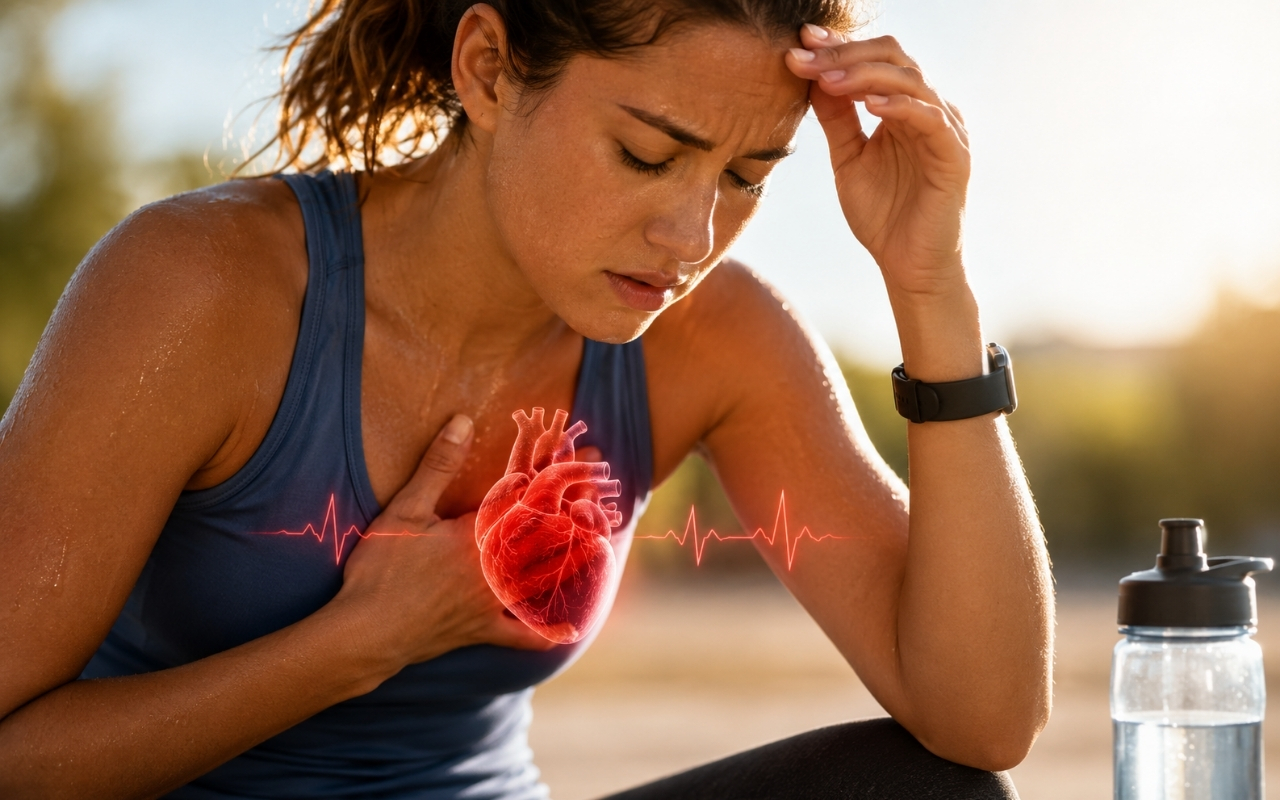
Dehydration can do more than make you thirsty. As fluid loss progresses, the cardiovascular system has to compensate, which can lead to a racing heartbeat, dizziness, shortness of breath, and chest discomfort.
According to Brodie Marthaler, M.D., a cardiologist at Mayo Clinic Health System in Eau Claire, it comes down to circulating fluid volume.
“Think of the heart as a pump. For it to work properly, enough blood needs to return to it with every heartbeat,” Dr. Marthaler says. “When you become dehydrated, the amount of fluid circulating in your bloodstream decreases. That means less blood returns to the heart, so it has to work harder to keep blood moving throughout your body.”
The effects can be especially important for older adults, people with heart disease, and patients taking medications that affect fluid balance or the body’s cardiovascular response.
Want to see more Nurse Approved articles in your Google results? Add us as a preferred source.
Add Nurse Approved as apreferred source on Google
What Happens to the Heart During Dehydration?
As circulating fluid decreases, the body attempts to maintain blood pressure and blood flow. Blood vessels narrow, while the heart beats faster to keep blood moving.
If dehydration becomes more severe, those compensatory mechanisms can begin to fail. The brain, kidneys, liver, and digestive system may then receive inadequate blood flow to function properly.
Symptoms of worsening dehydration can include:
- Racing heartbeat or palpitations
- Fatigue
- Lightheadedness or dizziness
- Vision changes
- Shortness of breath
- Chest discomfort
“If dehydration becomes severe, it can lead to heatstroke or fainting,” Dr. Marthaler says. “These are medical emergencies and should be evaluated by a healthcare professional immediately.”
Some Patients Face Greater Risk
Anyone can become dehydrated, but older adults, children, athletes, outdoor workers, and people with heart disease are among those at greater risk. People taking certain medications, including diuretics and GLP-1 receptor agonists, may also be at greater risk.
Patients with heart failure or other forms of heart disease warrant particular attention because their cardiovascular systems may have less capacity to compensate for fluid loss.
“People with heart failure or other forms of heart disease should be especially careful,” Dr. Marthaler adds. “Their hearts may have less reserve to respond to the added stress of dehydration. Many also take medications that remove fluid from the body, lower blood pressure or slow the heart rate, which can limit the body’s usual ability to compensate.”
For nurses, medication use and underlying cardiovascular disease are important considerations when assessing patients with possible dehydration, particularly when symptoms such as palpitations, dizziness, shortness of breath, or chest discomfort are present.
Recognizing Dehydration Before It Becomes Severe
No single fluid recommendation applies to everyone. For most healthy people, thirst can help guide fluid intake, while those planning prolonged exercise or time outdoors in the heat can increase their intake beforehand.
Dehydration is not always obvious. Dry mouth, dry skin, dark or foamy urine, and a burning sensation during urination can signal that you need more fluid. Urine color can also offer a simple clue: pale or clear urine generally suggests adequate hydration, while darker urine may indicate a need for more fluids.
Water is a good first choice for hydration, but people who are already dehydrated may also need to replace electrolytes such as sodium, potassium, and magnesium. People participating in prolonged exercise or endurance activities may benefit from electrolyte-containing sports drinks.
Alcohol can contribute to dehydration by altering how the brain and kidneys regulate fluids and increasing fluid loss. Highly caffeinated beverages can also contribute to dehydration.
“The best way to prevent dehydration is to stay ahead of it. Make drinking fluids a regular part of your day. Drinking smaller amounts throughout the day is often more effective than consuming a large amount all at once,” Dr. Marthaler says. “If you’ll be gardening, exercising or working outdoors in hot, humid weather, plan ahead, stay aware of how you’re feeling and adjust your activities if needed.”
For nurses, the key is recognizing that dehydration can become a cardiovascular issue, particularly in patients whose age, heart disease, or medications may reduce their ability to compensate for fluid loss.
