

Estimated reading time: 6 minutes
As multimillion-dollar gene therapies move from research into clinical practice, nurse leaders are taking on responsibilities that extend far beyond traditional patient care. They are helping build treatment programs, navigating complex insurance approvals, coordinating manufacturers and specialty pharmacies, and removing barriers that can determine whether patients receive life-changing therapies.
For Lynn Winfield, MBA, BSN, RN, CPHON, NEA-BC, Senior Director of Patient Care Services at Manning Family Children’s in Louisiana, those responsibilities came into focus during the nearly two-year effort to help one patient gain access to Casgevy, a gene therapy for sickle cell disease that costs approximately $2.2 million.

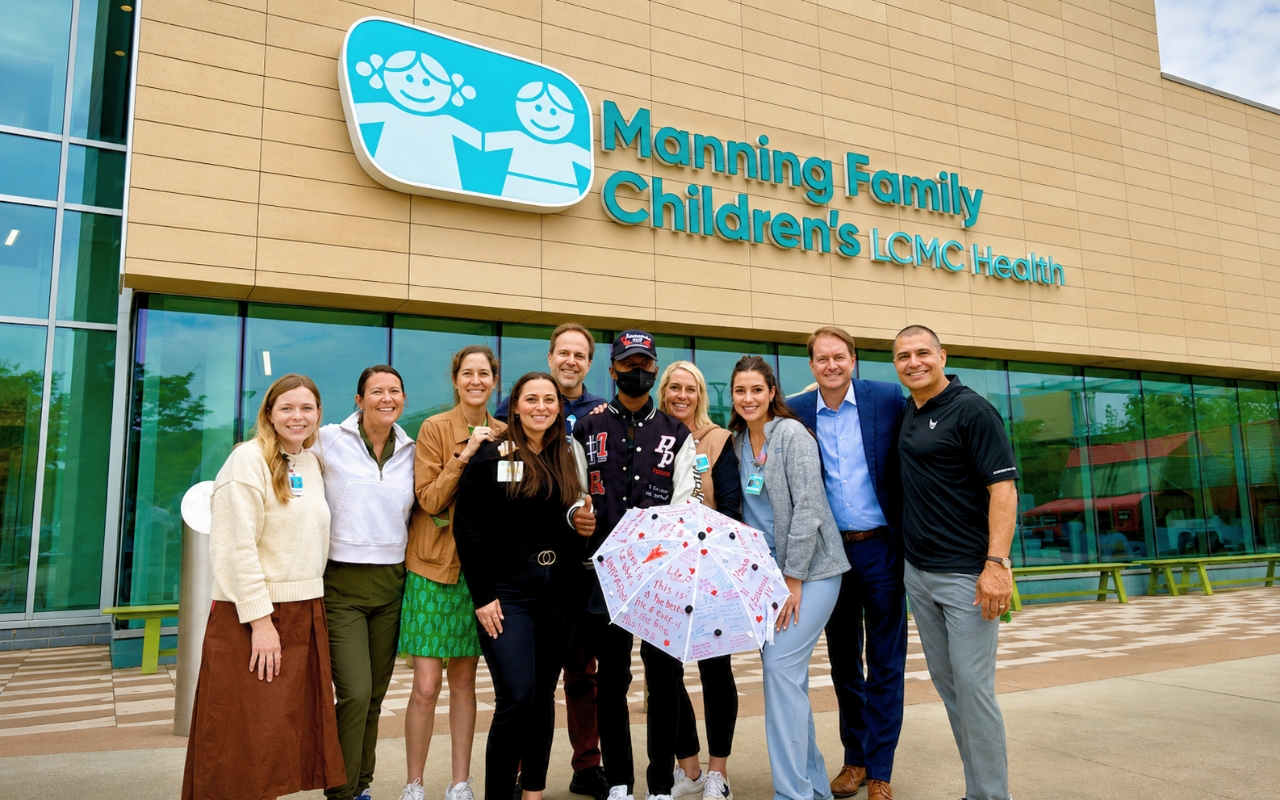
Daniel Cressey ultimately became the first patient in Louisiana to receive the treatment and achieve what physicians describe as a functional cure for sickle cell disease. His case also illustrates how nurse leaders are helping make these groundbreaking therapies possible.
“The work that led to Daniel receiving gene therapy began years before he became a candidate for treatment,” Winfield said. “As a nurse leader, my role extended far beyond coordinating clinical care. It involved building the infrastructure, partnerships, and reimbursement pathways necessary to make this groundbreaking therapy accessible to patients in Louisiana.”
Building the Path Before Patients Arrive
Long before the first patient was eligible for treatment, Winfield was working to establish the systems needed to deliver gene therapy in Louisiana.
In September 2022, she began discussions with Vertex about becoming an authorized treatment center for Casgevy before the therapy received FDA approval. At the same time, she initiated conversations with Bluebird Bio, now Genetix, about additional gene therapies for sickle cell disease and transfusion-dependent beta thalassemia.
Recognizing that about 82% of the hospital’s patients with sickle cell disease were covered by Medicaid, Winfield identified reimbursement as one of the greatest barriers to treatment.
Working alongside LCMC Health leadership and government affairs officials, she helped support advocacy efforts that led to House Concurrent Resolution 92, encouraging the Louisiana Department of Health to study Medicaid coverage for gene therapy.
Meanwhile, the hospital continued preparing to become an authorized treatment center. When Casgevy, Lyfgenia, and Zynteglo received FDA approval in December 2023, Manning Family Children’s was ready to move forward. By March 2024, it became Louisiana’s only authorized treatment center for all three therapies for both pediatric and adult patients.
Navigating One of Healthcare’s Most Complex Care Pathways
Cressey’s evaluation for gene therapy began in October 2024, and his initial insurance authorization arrived two months later.
Approval, however, was only the beginning.
Because Casgevy carried a price tag of approximately $2.2 million, Winfield worked with hospital contracting teams to negotiate a single-case reimbursement agreement before treatment could proceed.
Another hurdle emerged when Cressey’s Medicaid managed care organization required the therapy to be dispensed through a specialty pharmacy rather than directly from the manufacturer. That decision triggered months of additional negotiations involving the hospital, manufacturer, specialty pharmacy, and payer before agreements were finalized.
Cressey then underwent months of red blood cell exchange therapy before stem cell collection. After his cells were shipped to Scotland for manufacturing, the initial collection failed to produce enough cells, requiring a second collection before manufacturing could continue.
Only after manufacturing was completed could the hospital coordinate product delivery, admission, and treatment.
“Daniel’s story is often viewed through the lens of a single treatment, but it truly represents years of advocacy, relationship-building, regulatory preparation, payer negotiations, and multidisciplinary coordination,” Winfield said. “As a nurse leader, my role was to help remove barriers at every level so that when a patient was finally eligible for this transformative therapy, the treatment pathway already existed.”
Why Nurses Are Essential to Gene Therapy
Winfield believes nurses are uniquely positioned to coordinate gene therapy because they maintain visibility across the patient’s entire journey.
“Nurses play a central role in that process because we are often the only team members who maintain visibility across the entire patient journey, from authorization through treatment.”
That oversight includes coordinating insurance approvals, laboratory testing, manufacturing schedules, stem cell collection, specialty pharmacy requirements, patient education, and communication among multiple clinical teams.
Because every step depends on the one before it, even small delays can postpone treatment for weeks or months.
“Ultimately, nurses make the biggest difference by serving as the coordinator between all stakeholders,” she said. “We understand the clinical requirements, coordinate operational details, navigate payer and regulatory challenges, support patients and families, and anticipate issues before they become barriers.”
A New Era of Nursing Leadership
Winfield believes gene therapy is creating an entirely new area of nursing leadership that combines clinical expertise with finance, operations, reimbursement, and patient advocacy.
“I absolutely believe gene therapy is becoming a new and important area of nursing leadership,” she said.
Current gene therapies range from approximately $2.2 million to $3.1 million per treatment, creating new challenges for hospitals and insurers alike.
“Our first two approvals required nearly seven months of negotiations and coordination before we could move forward,” Winfield said. “Subsequent approvals were obtained more quickly, averaging about four to five months, as we gained experience and established processes.”
Looking ahead, Winfield expects nurse leaders will play an even larger role in developing care models that support these therapies.
“I believe nurse leaders will increasingly serve as strategic coordinators who bridge clinical care, operations, finance, and patient advocacy.”
What This Means for Nurses
Although relatively few nurses will work directly in gene therapy programs, Winfield said every nurse should understand how these treatments are changing care for patients with inherited diseases such as sickle cell disease.
From identifying an eligible patient to treatment, the process often takes 11 to 18 months or longer and requires close collaboration among clinicians, insurers, specialty pharmacies, manufacturers, laboratories, and patients’ families.
Community nurses can also make a difference by recognizing potential candidates, educating patients about available treatment options, and connecting them with specialized centers for evaluation.
Patients who receive gene therapy also require long-term follow-up, often for up to 15 years, and may need emotional support as they adjust to life after what many describe as a functional cure.
Advocacy Remains Nursing’s Greatest Strength
Looking back on more than three decades at Manning Family Children’s, Winfield sees gene therapy as another example of how nursing leadership has evolved beyond direct patient care.
“When I reflect on my career, I am proud of how far the nursing profession has come,” she said. “We have moved from being primarily care providers to becoming strategic leaders, advocates, innovators, and change agents.”
Her biggest lesson, however, applies to every nurse, regardless of specialty.
“We all have a voice, and we all can make a difference,” Winfield said. “Whether you are at the bedside, in a clinic, or in a leadership role, never underestimate the impact of your advocacy on a patient’s life.”
