


Estimated reading time: 5 minutes
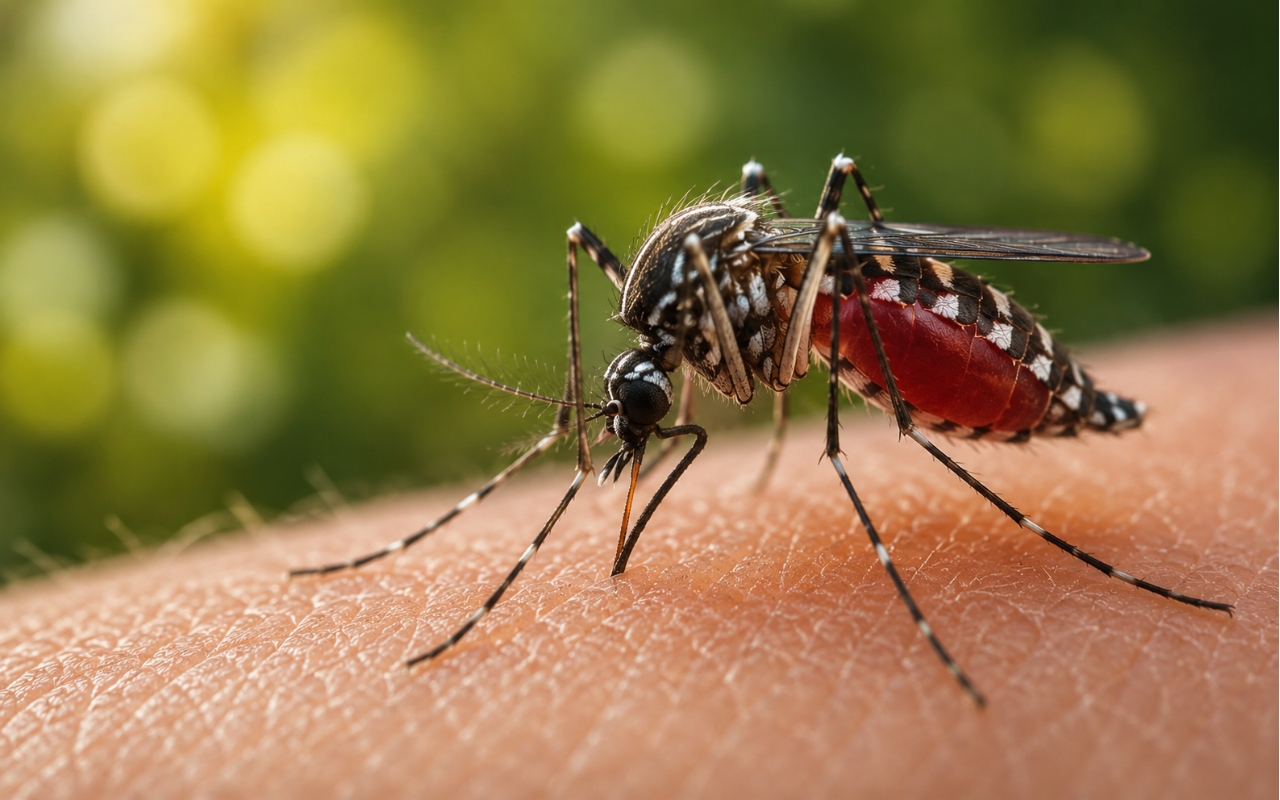
West Nile virus is off to its earliest start in more than two decades, raising concern among public health officials as mosquito season continues.
According to the U.S. Centers for Disease Control and Prevention (CDC), the country has recorded its highest number of West Nile virus cases this early in the season since 2004. As of June 30, 48 cases had been reported, and 38 involved severe neurologic disease.
For nurses, the early surge is a reminder to recognize mosquito-borne illnesses early, educate patients about prevention, and remain alert for severe neurologic complications, particularly in older adults and other high-risk patients.
Want to see more Nurse Approved articles in your Google results? Add us as a preferred source.
Add Nurse Approved as apreferred source on Google
Most Infections Are Mild, but Severe Cases Can Be Life-Threatening
West Nile virus is the most common mosquito-borne disease in the United States. Most infected people never develop symptoms, but about one in five become ill with fever, headache, body aches, joint pain, vomiting, diarrhea, or a rash.
Fewer than 1% of infected people develop severe neurologic disease, but those complications can lead to permanent disability or death. Adults age 60 and older and people with certain underlying health conditions face the greatest risk for severe illness.
Mosquitoes carrying West Nile virus have already been detected in nearly half of U.S. states this summer.
Why Cases May Be Rising Earlier This Year
Experts say this year’s warmer, drier weather may be contributing to the unusually early increase in cases.
“While it might seem that more rain would mean more mosquitoes, drought can actually increase the risk of West Nile virus,” said Sam Telford III, Sc.D., a professor in the Department of Infectious Disease and Global Health at Cummings School of Veterinary Medicine at Tufts University and an internationally renowned expert on diseases spread by ticks and mosquitoes.
“The house mosquito, the primary vector for the virus, breeds in stagnant, nutrient-rich water that can become concentrated during dry conditions,” Telford explained. “Drought can also concentrate birds, the primary hosts of the virus, around remaining water sources, increasing contact between birds and mosquitoes. Warmer temperatures, meanwhile, can encourage mosquitoes to feed more frequently.”
Nurses Should Also Watch for Eastern Equine Encephalitis
While West Nile virus is far more common, experts also urge clinicians to remain aware of Eastern equine encephalitis (EEE), the deadliest mosquito-borne viral disease in North America.
Although only about seven people contract EEE each year in the United States, approximately one-third of infections are fatal, according to the CDC.
Early symptoms resemble influenza and include fever, chills, headache, and body aches. The disease can quickly progress to encephalitis, causing brain inflammation that may lead to seizures, coma, permanent neurologic injury, or death. Many survivors are left with lasting neurologic damage.
There are no approved human vaccines or specific antiviral treatments for either West Nile virus or EEE. Treatment consists of supportive care.
Patient Education Remains the Best Defense
Because there are no vaccines or targeted treatments, prevention remains the most effective way to reduce illness.
“The key to staying safe is protection,” Telford said.
He recommends:
- Using mosquito repellents containing DEET, picaridin, IR3535, or oil of lemon eucalyptus according to package directions.
- Wearing permethrin-treated clothing while keeping wet treated clothing and permethrin spray away from cats because the chemical is highly toxic to them until dry.
- Avoiding outdoor activities between dusk and dawn, when mosquitoes are most active.
- Wearing loose-fitting long sleeves and pants because mosquitoes can bite through thin, tight-fitting fabrics.
- Taking extra precautions with children, especially those younger than 15, who are among the groups at greatest risk for severe EEE.
- Covering strollers and playpens with mosquito netting when infants are outdoors.
- Using one or more large electric fans when sitting outside.
“Mosquitoes cannot fly against the wind,” Telford said. “Citronella candles will not prevent mosquitoes from finding you. Some vaporizing insecticides are being sold; theoretically they will work, but these have not been scientifically tested.”
He also recommends eliminating standing water around homes by emptying containers, cleaning clogged gutters, improving drainage, and repairing damaged window and door screens.
What Nurses Should Know About Mosquito Spraying
Only older mosquitoes can transmit West Nile virus or EEE because they must first feed on an infected host before they are capable of spreading disease, Telford said.
When surveillance indicates an increased public health risk, state and local mosquito control programs may conduct nighttime insecticide spraying to reduce populations of older mosquitoes that are more likely to carry the virus.
“All state-sponsored spraying is done after dark to minimize impacts on pollinators,” Telford said, noting that communities typically provide advance notice through emergency alerts or local message boards.
“Beekeepers should be alert for such messages and cover their hives during a spray event,” he added. “The insecticides that are used do not persist long in the environment. Studies that I have done suggest that although all insects are generally impacted, by three days after the spray event they have generally recovered to the pre-spray levels.”
He noted that mosquitoes seen after spraying are often newly emerged insects that have not yet had an opportunity to become infected.
“Spraying is a last resort,” Telford said. “Those of us involved in making such decisions weigh the temporary impact to the ecosystem against the possibility of people getting a potentially serious disease, and make that decision when all the indicators are that we would be irresponsible not to spray.”
