

Estimated reading time: 5 minutes
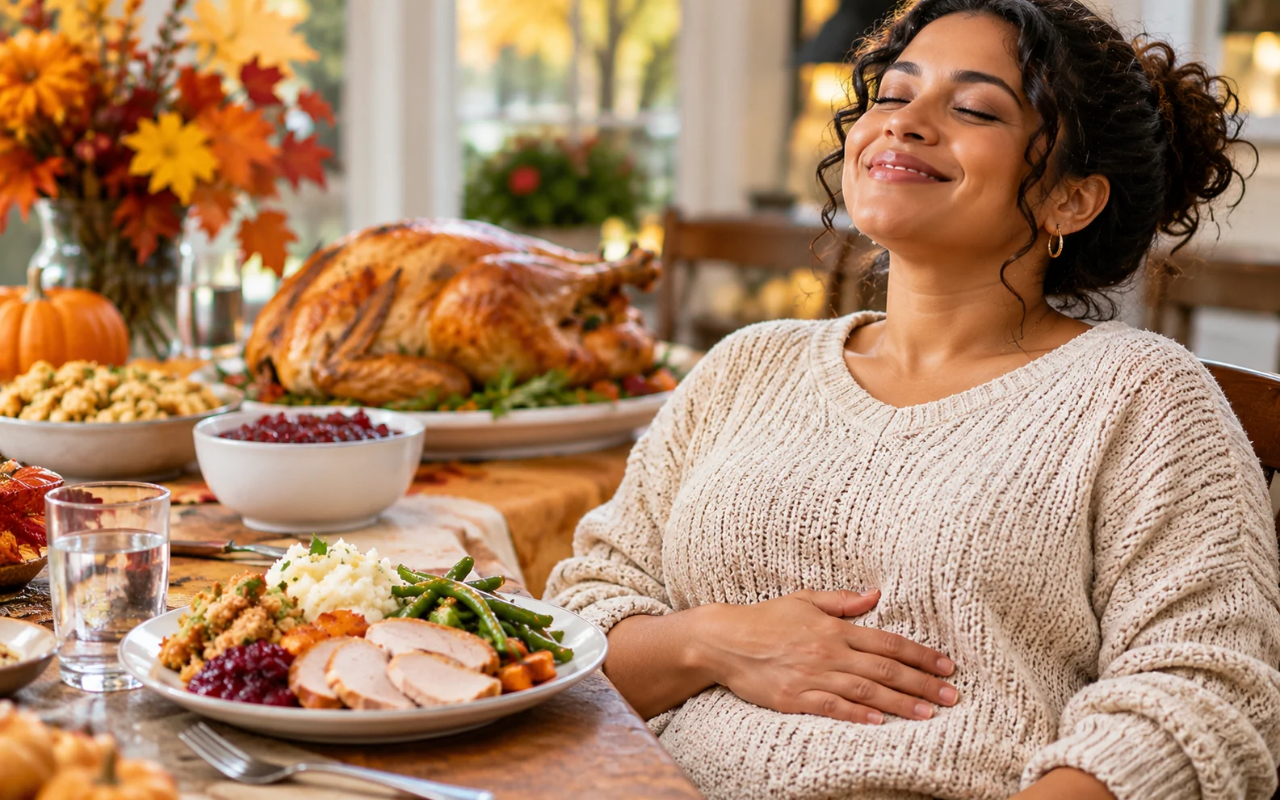
Thanksgiving dinner may leave you feeling stuffed, bloated or uncomfortable. Still, one holiday meal is unlikely to cause lasting changes to your gut microbiome, according to a Binghamton University researcher.
Yanyan Li, an assistant professor of pharmaceutical sciences at Binghamton University’s School of Pharmacy and Pharmaceutical Sciences, says the bigger concern isn’t what people eat on Thanksgiving. It’s what they eat throughout the rest of the year.
Her insights offer reassurance for holiday diners and practical guidance for nurses counseling patients about digestive health, particularly those with irritable bowel syndrome (IBS) or inflammatory bowel disease (IBD).
What Thanksgiving Dinner Does to Your Gut Microbiome
The gut microbiome is a community of microorganisms that inhabit the digestive tract, with the highest concentration found in the large intestine, or colon.
These microorganisms help break down nutrients the body cannot digest on its own, including dietary fiber. During fermentation, certain bacteria produce short-chain fatty acids, compounds associated with intestinal barrier health, immune function and inflammation.
Research has also linked the gut microbiome to conditions including inflammatory bowel disease, cardiovascular disease, depression and Parkinson’s disease.
But Li emphasizes that long-term dietary patterns influence the microbiome far more than an occasional feast.
“When we talk about the impact of food on our gut microbiome, most of the time we look at the long-term effects. The bottom line is that habitual dietary patterns matter most. They determine what gut microbiome composition and function we have.”
Holiday foods can temporarily alter the microbiome, although the effects vary.
Some people experience bloating or gas after eating large quantities of certain foods. Those with preexisting digestive conditions, including IBS and IBD, may experience more pronounced symptoms than otherwise healthy individuals.
Is Thanksgiving Turkey Good for Your Gut?
Turkey may be the centerpiece of Thanksgiving dinner, but Li says there’s little reason to avoid it from a nutritional standpoint.
“Turkey itself is actually a pretty healthy food. It’s very lean protein, is low in fat, and has other micronutrients associated with proteins. There is nothing wrong with eating turkey. Enjoy it!”
The concern arises when high-protein intake consistently replaces fiber-rich foods.
According to Li, a long-term high-protein, low-fiber diet can change which bacterial populations thrive in the digestive tract. Bacteria that metabolize amino acids receive more nutrients, while those that depend on dietary fiber receive less, potentially reducing microbial diversity over time.
Pairing turkey with vegetables, sweet potatoes and fruit helps provide the fiber that supports beneficial gut bacteria.
Why Thanksgiving Side Dishes May Be Healthier Than You Think
Potatoes, sweet potatoes and squash sometimes get a bad reputation because they’re rich in carbohydrates. But Li says these vegetables provide important nutritional benefits.
They’re sources of dietary fiber and phytochemicals, including carotenoids found in many orange vegetables.
Want to see more Nurse Approved articles in your Google results? Add us as a preferred source.
Add Nurse Approved as apreferred source on Google
The bigger issue may be how they’re prepared. Adding substantial amounts of sugar and fat to casseroles and other holiday favorites can increase the digestive burden, particularly when consumed as part of a large meal. Li suggests roasting vegetables as a gut-friendlier alternative.
Roasted sweet potatoes, Brussels sprouts, broccoli, carrots and leafy greens can provide fiber while adding variety to the holiday table.
What Happens When You Eat Thanksgiving Pie?
Pumpkin, apple and pecan pies may be holiday favorites, but what happens to all that added sugar?
Li explains that most dietary sugar is absorbed in the small intestine before reaching the colon, where the largest concentration of gut bacteria resides.
The greater concern is chronically high sugar intake, which Li says can harm metabolic health and, when it displaces fiber-rich foods, indirectly change the gut microbiome over time.
An occasional slice of pie is unlikely to cause lasting harm.
For those looking to reduce their sugar intake, Li recommends smaller portions, fruit-based desserts or using less sugar in homemade recipes.
The Surprising Gut Benefit of Cooling Your Potatoes
One of Li’s more practical suggestions involves a Thanksgiving staple: mashed potatoes.
Cooking potatoes and then refrigerating them increases their resistant starch content.
Unlike regular starch, resistant starch resists digestion in the small intestine and travels to the colon, where gut bacteria ferment it.
That fermentation produces short-chain fatty acids, including butyrate, which helps support the cells lining the intestine.
“With mashed potatoes, if we cook the potato first, put it in the fridge, and cool it down. We can increase the content of resistant starch in the dish.”
What Nurses Should Know About Holiday Eating and Gut Health
For nurses discussing nutrition with patients, Li’s explanation reinforces an important distinction: Temporary digestive discomfort after a large meal doesn’t necessarily indicate lasting changes to the gut microbiome.
Patients with IBS, IBD or other gastrointestinal conditions may be more sensitive to certain foods, making individual dietary tolerances particularly important during the holidays.
The broader message is that supporting gut health doesn’t require eliminating favorite holiday dishes. Fiber-rich foods, balanced meals and consistent dietary habits matter more than one Thanksgiving dinner.
Li encourages simple adjustments, such as adding roasted vegetables, offering fruit salads with nuts and reducing added sugar in desserts.
“When I make dessert, I always cut down the sugar. If the recipe suggests one cup of sugar, I will do half a cup. It still tastes great, but I only get half of the sugar. And my gut microbiome will thank me in the long run!”
And that’s something to be thankful for: Thanksgiving dinner doesn’t have to be perfect to fit into a gut-friendly diet. What matters most is how you eat long after the leftovers are gone.”
