



Actor James Van Der Beek, best known for his role as Dawson Leery on the television drama Dawson’s Creek, died at age 48 following a battle with colorectal cancer. His death has prompted widespread remembrance from fans and colleagues while also drawing attention to a reality faced by many Americans when serious illness occurs.
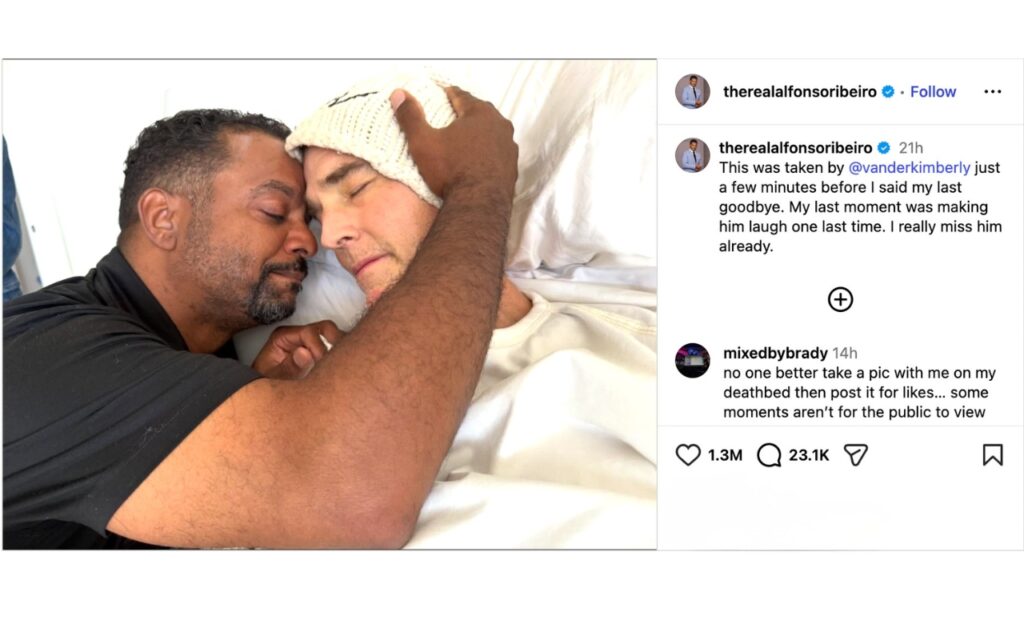
For millions of patients and families, a cancer diagnosis brings not only medical uncertainty but financial risk. In the United States, the cost of healthcare often becomes part of the illness experience itself. Treatment decisions are frequently shaped not only by clinical recommendations but by insurance coverage, out-of-pocket costs, and the economic consequences of time away from work. Serious illness can expose gaps between having access to care and being able to afford it.
Medical Debt and Healthcare Costs in the United States
Healthcare affordability remains a persistent challenge nationwide. Researchers at the Kaiser Family Foundation estimate that Americans collectively carry at least $220 billion in medical debt, making healthcare expenses one of the largest sources of personal debt nationwide. A separate analysis conducted by KFF Health News and NPR reported that Americans collectively carry at least $220 billion in medical debt. These findings highlight how commonly medical expenses affect households across income levels and insurance types.
Medical debt often develops after unexpected illness or hospitalization, even among individuals with insurance coverage. High deductibles, coinsurance, and uncovered services contribute to costs that many families struggle to absorb, particularly when care is prolonged.
The Cost of Cancer Treatment and Financial Toxicity
Cancer care is particularly associated with sustained financial strain. Treatment often involves surgery, chemotherapy, imaging, medications, and long-term follow-up care that can extend for years. Even when insurance covers a large portion of treatment, out-of-pocket expenses can accumulate quickly. Lost wages or reduced work hours during treatment can further compound financial pressure.
Health policy researchers increasingly use the term financial toxicity to describe the economic harm associated with medical treatment. Studies published in oncology and health policy journals have shown that financial toxicity, skip medications, or postpone follow-up appointments. These decisions can ultimately affect both outcomes and quality of life, creating consequences that extend beyond the original diagnosis.
Medical Bills and Bankruptcy Risk
Medical debt does not always lead to bankruptcy, but it remains a significant contributor to financial instability in the United States. According to data from the Administrative Office of the U.S. Courts, more than 500,000 bankruptcy cases were filed in 2024 following increases from pandemic-era lows. Health policy research continues to identify medical expenses and illness-related income loss as major contributing factors in consumer bankruptcy filings, particularly when serious illness limits a person’s ability to maintain employment.
Financial consequences often extend beyond bankruptcy itself. Patients may deplete savings, accumulate credit debt, or delay other financial obligations while managing medical expenses, creating long-term economic effects that persist even after treatment ends.
Insurance Coverage Does Not Always Mean Affordability
One of the central challenges within the U.S. healthcare system is the gap between insurance coverage and affordability. Research published in Health Affairs Scholar has shown that a substantial portion of insured Americans still incur medical debt due to high deductibles and cost-sharing requirements. Insurance coverage does not always prevent financial hardship when unexpected illness occurs, especially when treatment is prolonged or complex.
Healthcare providers routinely encounter patients navigating these realities in real time. Conversations about treatment often include financial considerations alongside clinical decisions. Patients may weigh recommended therapies against what they can realistically afford, reflecting systemic cost pressures rather than individual circumstances.
A Healthcare Challenge Still Without Resolution
James Van Der Beek’s death has renewed attention on a broader issue that extends far beyond one individual case. Healthcare affordability has remained a persistent concern despite advances in treatment, insurance expansion, and ongoing policy debate, leaving many patients navigating serious illness within a system where access and cost are not always aligned.
Health economists and policy analysts note that responsibility for change spans multiple sectors, including insurers, healthcare systems, pharmaceutical manufacturers, employers, and federal and state policymakers. While incremental changes have addressed specific billing practices, the underlying drivers of healthcare costs remain complex and deeply embedded within the system.
As medical innovation continues to advance, the question facing healthcare leaders is not only how to treat disease more effectively, but how to ensure that treatment remains financially accessible. For many Americans, that balance has yet to be achieved, leaving affordability as one of the defining healthcare challenges still in need of meaningful resolution.
