
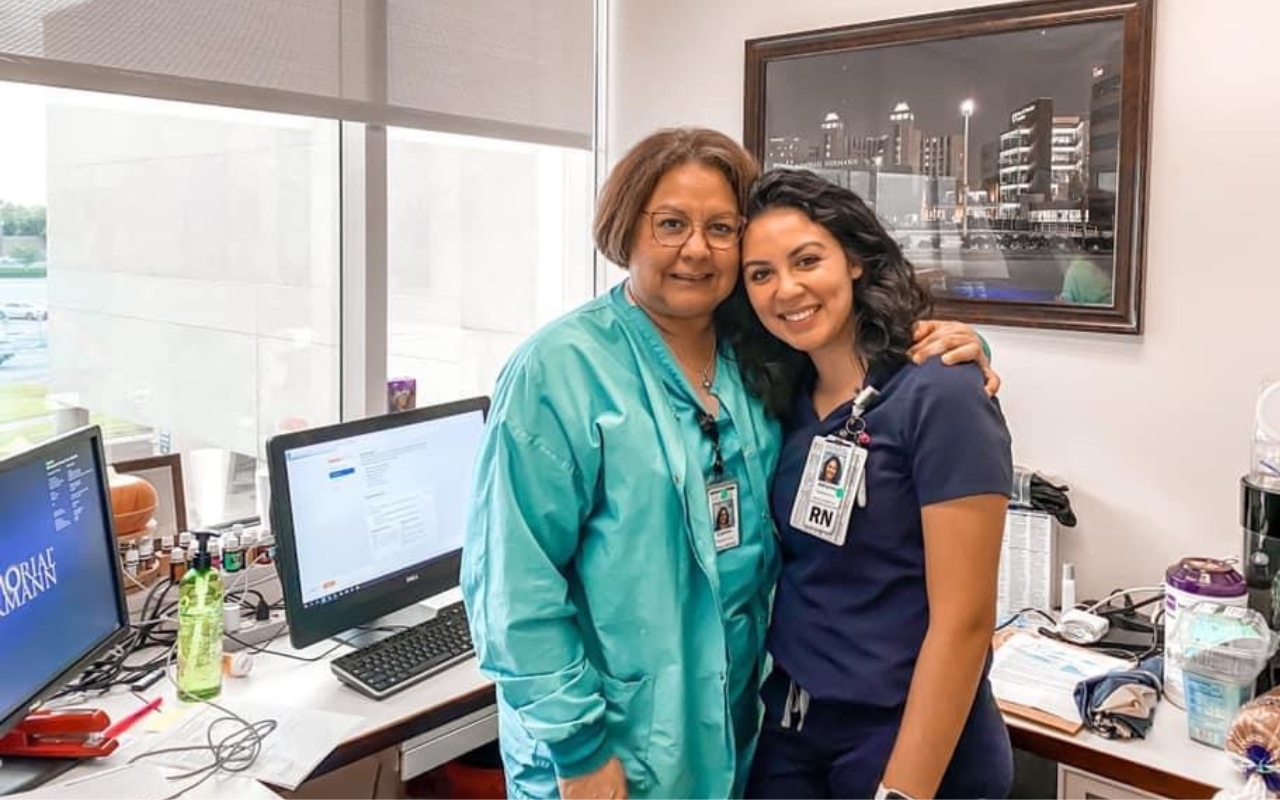

For Connie Ortiz, nursing has never simply been a profession. Over more than two decades as a nurse leader—now serving as a perioperative director at Memorial Hermann Southwest—caring for others became part of who she is, even before her daughters fully understood what nursing meant.
But the timeline shifted when her family experienced healthcare from the other side of the bedside.
Years ago, when Connie’s husband was hospitalized in the Medical ICU, her daughters, Adriana and Daniela, witnessed firsthand the emotional weight nurses carry alongside patients and families. Years later, that experience would shape both of their futures in nursing.
Today, Adriana works as an RN in the same MICU where her father was treated. Daniela is graduating from nursing school this spring and will begin working in that unit in July.
For this family, Mother’s Day carries a deeper meaning. It is not only a celebration of motherhood, but of a shared calling shaped by compassion, grief, resilience, and the nurses who helped guide them through one of the hardest chapters of their lives.
Their journey took root after the profound loss of their father following a prolonged ICU stay, a pivotal turning point. Inspired by the care shown to their family and their mother, longtime nurse leader Connie sisters Adriana and Daniela then chose careers in nursing. Today, both daughters remain connected to the same Medical ICU that forever changed their lives.
When Nursing Became Personal
For many years, Connie led nurses and supported patient care teams, but her perspective changed unexpectedly when she became the family member at the bedside during her husband’s illness.
“Having my husband in MICU for several weeks, ultimately losing him, changed my perspective on nursing in a profound way,” Connie said. “I sat at his bedside every day, holding onto hope while also carrying the weight of what this meant for my children.”
One memory remains especially vivid.
“One moment that stayed with me was when the nurses supported bringing my 3 children in to see him after he had arrested and was later extubated and awake,” she said. “That wasn’t just a clinical decision; it was a deeply human one. It gave us a moment of connection and closure that we otherwise might not have had.”
The time in the ICU reinforced what she now prioritizes as a leader.
“It reinforced that while clinical excellence is critical, the way we show up for families in those moments through communication, compassion, and flexibility can stay with them forever,” Connie said. “As a leader, I’m intentional about creating a culture where nurses feel empowered to make those human-centered decisions, not just task-driven ones.”
Lessons Learned Inside the ICU
For Adriana and Daniela, their experience in the ICU years ago became more than a painful family memory. It also became an early lesson in the kind of nurses they hoped to become.
“What stands out most for us in the time in the ICU wasn’t the uncertainty but the quiet, steady compassion that surrounded us,” they shared. “As his daughters, we were watching our father try to get back to us, but as nurses in the making, we were also witnessing care at its highest level.”
The sisters say the nurses cared not only for their father, but for the entire family.
“They explained things when we were overwhelmed, reassured us without dismissing our fears, and included us in his journey back to health,” they said. “In those moments, we learned that nursing goes far beyond clinical skill. It’s about presence, empathy, and humanity. Watching them care for him shaped not only our gratitude as daughters, but also the kind of nurses we aspire to become.
A Shared Path in Nursing
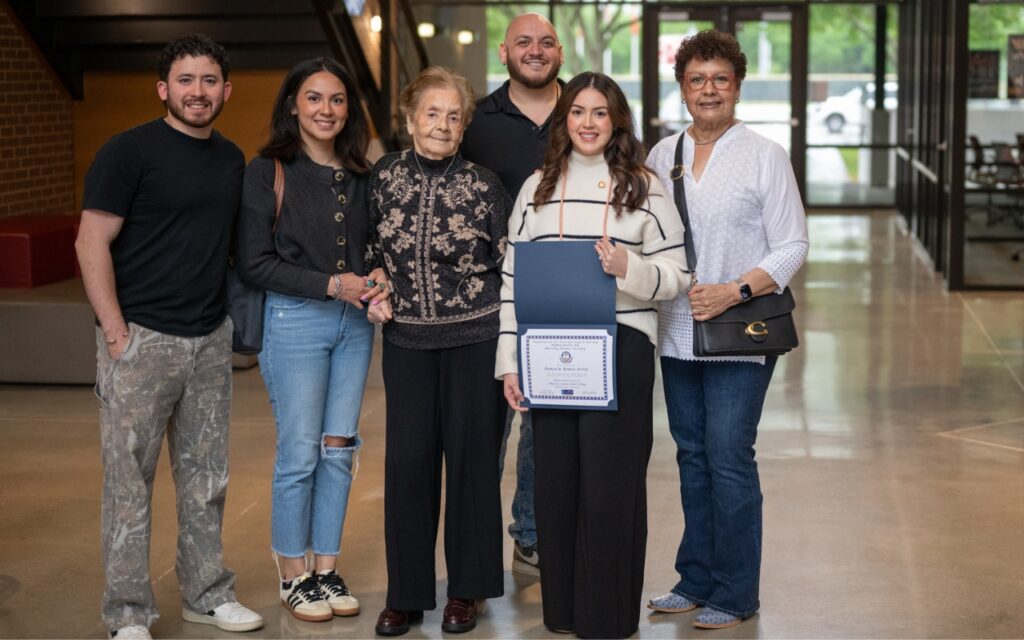
Nursing became a shared family value, shaped by Connie’s example and their ICU experience.
“It wasn’t just one moment; it grew over time,” they shared. “We watched our mom live out nursing not just as a career, but as who she is, showing compassion and care in everything she did.”
Their father’s hospitalization ultimately transformed admiration into purpose.
“Seeing the nurses care for him and support our whole family made us realize we were being called to do the same,” they said.
Returning to the Same ICU
For Adriana, caring for patients in the same MICU where her father was once treated adds another layer of meaning to her work.
“Caring for patients in the same ICU where my dad was once treated has made nursing feel both professional and deeply personal,” she said.
Her experience as a family member now shapes the way she communicates with patients and loved ones during difficult moments.
“I take extra time to explain, reassure, and truly be present, because I know how much those moments matter,” Adriana said. “Although it can feel emotional at times, it has strengthened my sense of purpose and reminds me that nursing is not just about tasks, but about compassion and connection.”
Now, as Daniela prepares to begin her own role in the unit this summer, she says the experience from years ago carries both emotional weight and purpose.
“Stepping into that unit feels both meaningful and humbling,” she said. “It’s a place that holds some of our hardest memories, but also where I saw the kind of nurse I want to be.”
She hopes to carry those lessons forward in her own practice.
“I’m carrying those experiences with me, not just as a daughter, but as a reminder to lead with empathy, to see patients as people, and to support families the way we were supported,” Daniela said. “It’s more than just a job for me. It’s continuing a legacy with a purpose.”
A Family Legacy of Care
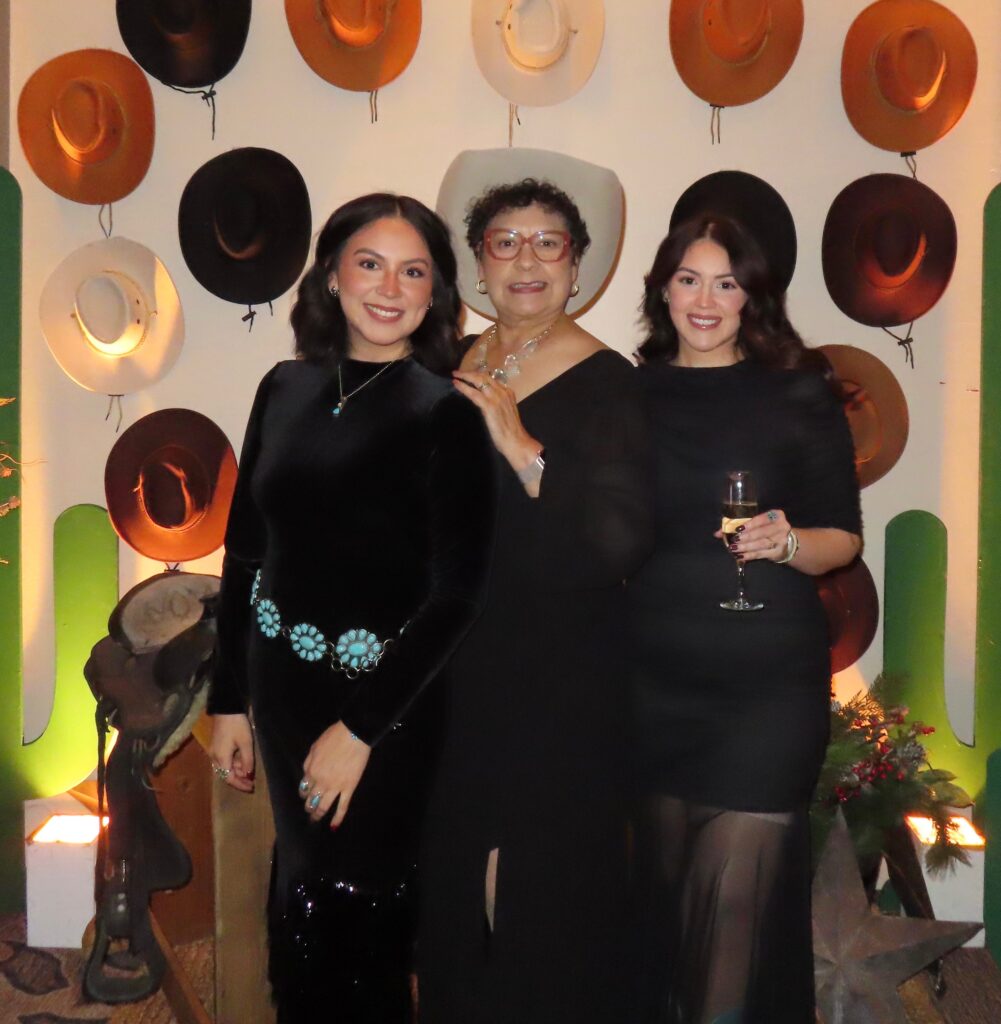
For Connie, watching both daughters pursue nursing has been deeply meaningful.
“There’s deep pride,” she said. “They’re stepping into a calling shaped by compassion, strength, and personal experiences witnessed in myself and our family.”
She believes their father, who was also a nurse, would feel the same way.
“Their father would be very proud of them,” Connie said. “He, too, was a nurse who loved caring for so many patients and families much like ours going through difficult times.”
This Mother’s Day, the Ortiz family says nursing and loss have forever shaped how they define care.
“For us, caring means showing up with empathy, patience, and presence, not just for our patients, but for each other,” they shared.
Their experiences taught them that some of the most important moments in healthcare are often the quietest ones.
“It’s the small things like listening, supporting, and simply being there,” they said. “As a family, caring is how we heal, how we honor what we have been through, and how we continue to love both in our work and in our lives.”
