

Estimated reading time: 6 minutes
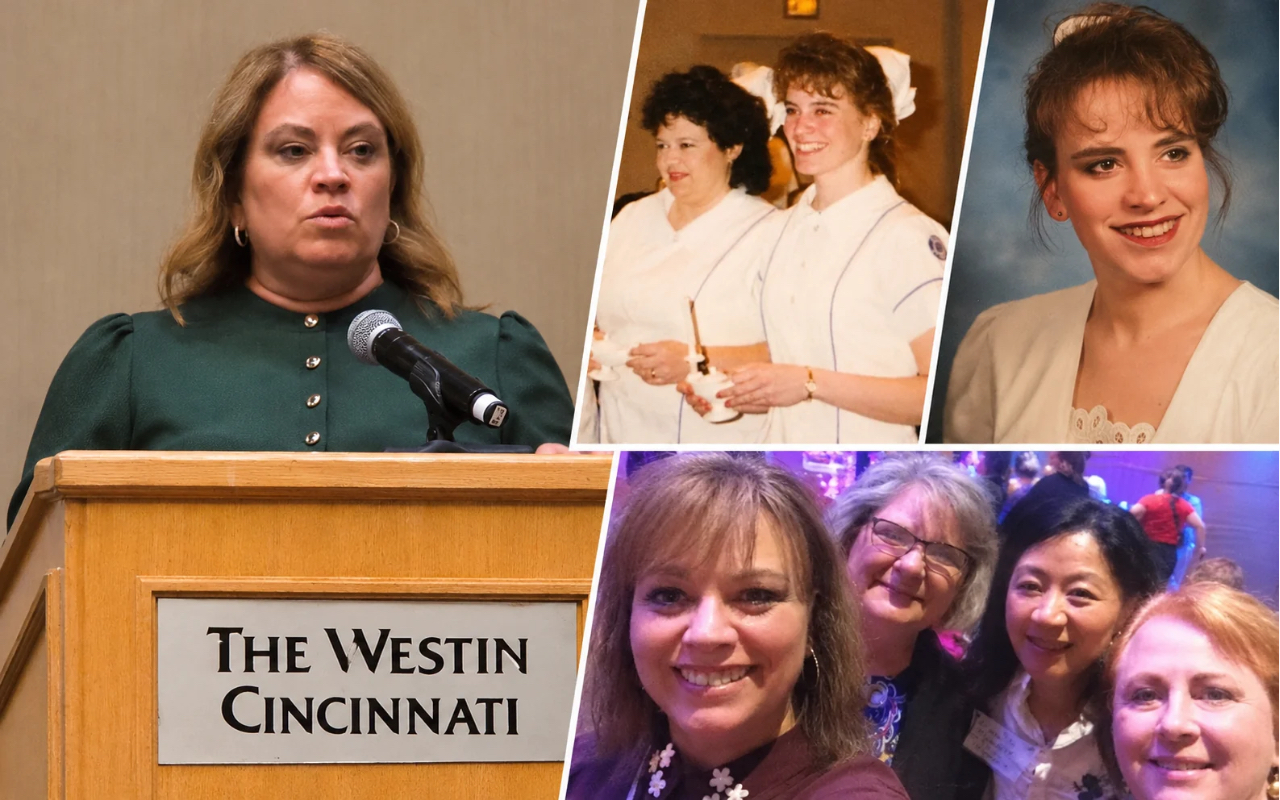
Dominique Wells started her healthcare career cleaning hospital rooms because housekeeping was the only job available. Today, she is the chief operating officer of Conduit Health Partners, overseeing quality, operations and technology.
Her journey took her through patient care, nursing, clinical informatics and leadership roles she never expected to pursue when she entered nursing school.
Along the way, she learned that some of the most important lessons about patient care and leadership come from jobs that rarely receive recognition.
Now, as artificial intelligence (AI) and other technologies reshape healthcare, Wells sees opportunities for nurses to expand their careers. But she also worries that growing administrative demands are adding to an already heavy workload.
From Hospital Housekeeping to Nursing
Wells didn’t begin her healthcare career with plans to become an executive. She wanted to work in healthcare and took the opportunity available to her.
Before becoming a nurse, she worked as a technician, patient care assistant and phlebotomist, gaining firsthand experience with the different roles involved in caring for patients.
Those early jobs shaped how she viewed teamwork and patient safety.
Working the night shift as a new nurse, Wells made a habit of checking on her patients before leaving their rooms for the evening. If a trash can was full, she emptied it.
An experienced nurse questioned why she was doing something outside her responsibilities.
“An experienced, long-tenured nurse once asked me, ‘Why are you doing that? That’s not your job.’ But in my mind, it’s all our jobs. Our job is to make sure patients have a safe place to heal, and part of that is not having clutter around them.”
Wells understood the importance of housekeeping because she had done the work herself.
“I understood the role housekeepers play from real experience, and it shapes how I lead. What many people don’t realize is that those responsible for keeping hospital rooms tidy often spend more time with patients than clinicians do, so they may actually know more about patients than you think. It’s important to me to show others the value of colleagues whose roles may be perceived by some as lesser.”
That experience continues to influence how she approaches leadership and the value she places on every member of the healthcare team.
Discovering a Nursing Career Beyond the Bedside
When Wells entered nursing school, she expected to spend her career providing hands-on patient care. She didn’t realize how many other opportunities nursing could offer.
“I wouldn’t say there was one ‘aha’ moment. In nursing school, I wanted to take care of patients and provide hands-on care. I didn’t realize how many opportunities existed until doors began to open.”
Those opportunities eventually led to positions in nurse management, clinical content development, nursing informatics and executive leadership.
Today, Wells oversees quality, operations and technology at Conduit Health Partners, where her responsibilities range from ensuring teams have adequate resources to managing financial priorities and planning future technology needs.
She also contributes to business development, something she never anticipated as a nursing student.
“When I went into nursing school, I never dreamed I’d be part of a sales team!”
For nurses considering career paths outside direct patient care, Wells encourages them to explore the profession’s possibilities.
“Over time, opportunities presented themselves, such as informatics, research and now my role as COO. That’s something I emphasize when I talk with people considering nursing or early in their careers. There are so many paths beyond bedside care that have just as significant an impact.”
The Skills Nurses Need for Leadership Roles
As Wells moved into leadership, she discovered that financial literacy was just as important as clinical knowledge in preparing for executive responsibilities..
Early in her career, a leader who later became a system-wide finance executive taught her the fundamentals of finance.
Want to see more Nurse Approved articles in your Google results? Add us as a preferred source.
Add Nurse Approved as apreferred source on Google
“Finance was probably the most important.”
Wells also learned to manage organizational change, interpret data and translate information into decisions.
“Beyond finance, I had to learn how to lead through change. That includes change management and knowing how to view data, understand it and translate it into action. Those skills are critical to leadership in general.”
Her experience in nonprofit healthcare and a for-profit startup also reinforced the importance of understanding how different organizations operate.
Although Wells values formal education, she believes hands-on experience deserves equal recognition.
“I believe hands-on experience, and truly learning through that experience, is just as critical as education itself.”
For nurses interested in leadership, her career illustrates how financial knowledge, operational experience and adaptability can complement clinical expertise.
Are Administrative Demands Adding to Nurse Burnout?
From her position in healthcare leadership, Wells sees a growing disconnect between what nurses are expected to accomplish and the time available to do it.
She believes healthcare executives recognize the mental demands nurses face but may not fully understand how much those responsibilities have expanded.
“I think leaders are aware of the mental load nurses face today, but I’m not sure they understand its full breadth. I’ve seen that load really evolve since early in my career. Nurses are trusted to get things done, so more and more keeps getting added to their plates.”
She points to administrative requirements and electronic systems as examples of responsibilities that can compete with direct patient care.
“We have to pay attention to how often we burden nurses with administrative tasks that take time away from caregiving and from real-time clinical decision-making that can impact patient outcomes. In some ways, electronic systems and even AI have made it worse, because we keep adding more checklists for nurses to complete.”
For Wells, the challenge isn’t simply introducing new technology. It’s determining whether those tools genuinely support nurses or create additional work.
She believes healthcare organizations must consider how to protect the existing nursing workforce as staffing challenges continue.
How AI Could Change Nursing Careers
Despite her concerns about technology adding to nurses’ workloads, Wells believes artificial intelligence will create new career opportunities.
She doesn’t expect AI to replace nurses, but she believes understanding how the technology works will become increasingly important.
“I don’t believe AI will fully replace nurses, but it will be important for nurses to understand how AI works.”
She also emphasizes the importance of maintaining independent clinical judgment as nurses increasingly encounter AI-generated information.
“Nurses will need to sharpen their critical thinking skills so they can tell what is truth and what is artifact. To some extent, technology has eroded those skills because we’ve become so reliant on it that we assume it’s always right.”
Wells expects new nursing positions to emerge in AI leadership and quality oversight, particularly as healthcare organizations work to ensure the technology is used safely.
“At the same time, new roles will emerge. There will be AI leadership roles, along with quality roles that ensure AI is used safely. Figuring out how to carry standard nursing quality outcomes into this AI world will be pivotal, and it will open new opportunities for nurses.”
A Different Path to Nursing Leadership
Wells’ journey from hospital housekeeping to the C-suite wasn’t the result of a carefully mapped career plan. Instead, her opportunities developed as she gained experience, learned new skills and took on unfamiliar responsibilities.
Her story shows how a nursing career can evolve in unexpected directions, from bedside care and informatics to operations, technology and executive leadership.
Wells’ experience also reinforces a lesson she learned long before becoming a nurse: Every healthcare role matters, and the people doing the work deserve recognition and support.
