
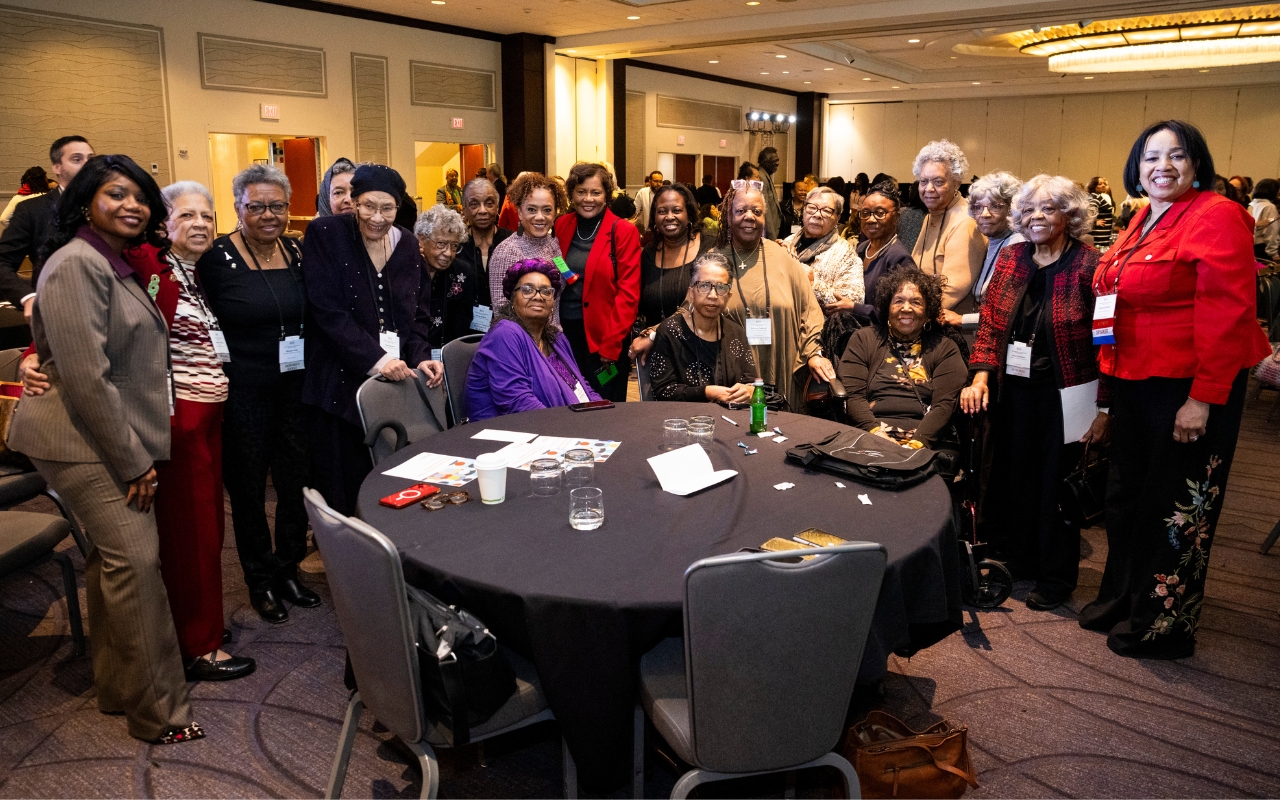

In downtown Washington, D.C., history did not sit quietly in the audience. It stood, gathered, and reconnected.
At the American Nurses Association (ANA) 2026 Opportunity & Impact in Nursing Summit, graduates of the Freedmen’s Hospital School of Nursing stood alongside Howard University nursing leaders, linking one of the most significant training institutions in Black nursing history with the profession’s future.
For Black History Month, that convergence carries particular weight.
The Foundation: Freedmen’s Hospital and Its School of Nursing
Freedmen’s Hospital was founded in 1862 to provide care for formerly enslaved people during the Civil War. On November 15, 1894, the Freedmen’s Hospital School of Nursing was established in Washington, D.C., by Dr. Daniel Hale Williams, a pioneering Black surgeon. The school was created to address the lack of training opportunities for Black nurses and to ensure specialized care for African American communities.
Over its history, the School of Nursing awarded approximately 1,587 diplomas. For decades, it served as a premier institution for the professional education of Black nurses at a time when most nursing schools in the United States excluded them.
The hospital transitioned to Howard University in 1967. The School of Nursing closed in the early 1970s, with its final class graduating in 1973. Its educational mission continued through Howard University, preserving its commitment to preparing nurses to serve historically underserved communities.
The school’s legacy extends beyond numbers. It represents access where there was exclusion, and leadership developed despite systemic constraint.
The Present: National Leaders Unite
According to the American Nurses Association, national leaders gathered in downtown Washington, D.C., for the 2026 Opportunity & Impact in Nursing Summit to elevate the nursing profession and improve health outcomes nationwide.
Within that national dialogue, the presence of original Freedmen’s Hospital nursing students added historical depth. Their education took place in an era defined by segregation and limited opportunity. Today’s nursing leaders at Howard University work in a different landscape, yet continue to confront inequities in health access, workforce representation, and patient outcomes.
The summit created a visible continuum: nurses who trained when doors were closed standing beside leaders working to widen them.
A Black History Month Reflection
Black History Month often centers on milestones. This gathering centered on continuity.
Freedmen’s Hospital School of Nursing was established because Black nurses were denied entry elsewhere. Its graduates went on to practice, teach, and lead in communities that often lacked access to trained professionals. When the school closed, its influence did not. Its mission was carried forward through Howard University and into the generations that followed.
At the 2026 summit, that legacy was embodied.
Original students who once trained to care for the descendants of freed slaves stood alongside leaders addressing workforce shortages, advancing health equity, and strengthening nursing’s voice in policy. The challenges have evolved. The commitment to service has not.
Why This Moment Matters
For Nurse Approved’s Black History Month coverage, the reunion at the Opportunity & Impact in Nursing Summit represents more than a photo opportunity. It underscores that today’s nursing leadership is built on the persistence of those who trained and practiced when recognition was scarce.
Freedmen’s Hospital School of Nursing was founded to fill a gap. More than a century later, nursing leaders continue working to close gaps in health outcomes, representation, and opportunity.
The image of older Black nurses from Freedmen’s Hospital standing alongside Howard University leaders is a living archive. It reflects a profession shaped by resilience, scholarship, and sustained commitment to community.
Black nursing history is not confined to the past. It continues to shape the profession.
And at the 2026 Opportunity & Impact in Nursing Summit, history and future stood in the same room.
