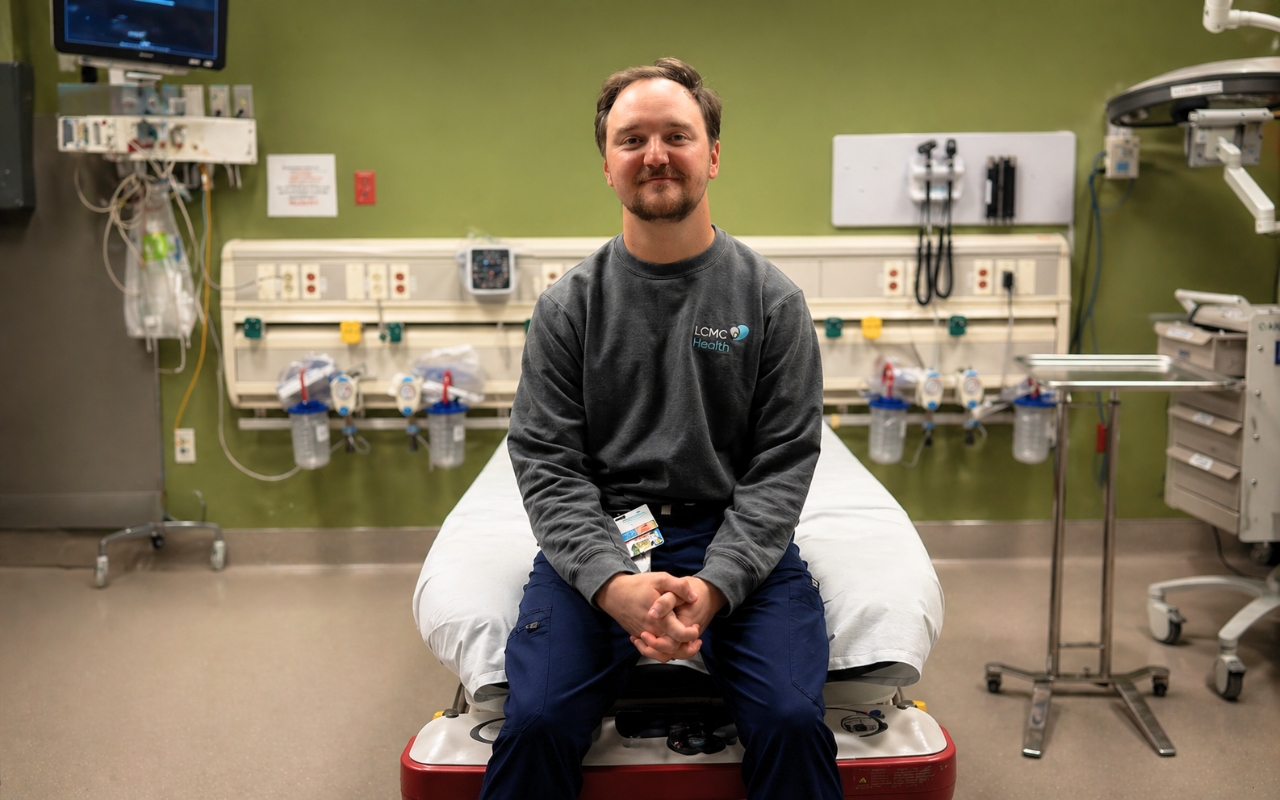

At age one, Max Oertling received a heart transplant. Now 28, he is an emergency room nurse at University Medical Center New Orleans, caring for critically ill and trauma patients. His journey highlights the impact of organ donation and the ongoing need for registered donors nationwide.
A Diagnosis That Changed Everything
Oertling’s life began with a failing heart. Born via scheduled Cesarean section, he struggled to feed in his first days. By day three, his parents, both pediatricians, recognized something was wrong.
A heart murmur prompted further tests. Doctors found that a virus his mother got during pregnancy affected Oertling’s heart development.
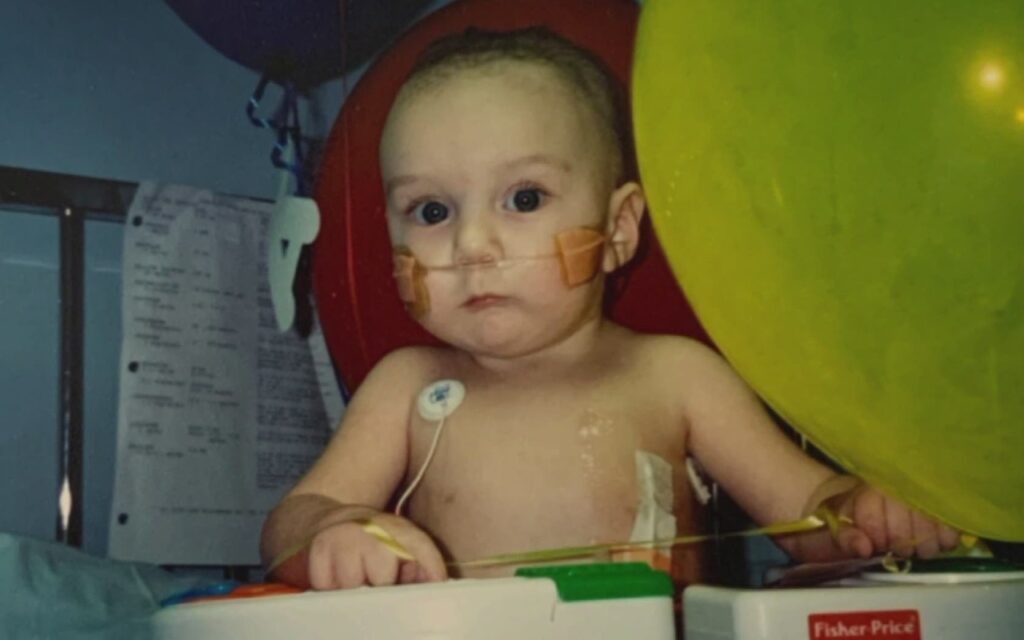
Oertling was admitted to intensive care with three large ventricular septal defects, a small left ventricle, and poor heart function.
Despite numerous interventions during his first year, none provided a lasting solution. At nine months, his parents and care team made a critical decision: Oertling required a heart transplant.
Waiting for a Second Chance
After months of waiting, Oertling’s family received the call that a donor heart was available.
On November 21, 1997, a few weeks after his first birthday, Oertling underwent transplant surgery, made possible by a family experiencing significant loss.
Nearly three decades later, the significance of that event remains clear.
“I want my donor family to know that I never take a day for granted and that I’m so thankful for this wonderful gift of life,” Oertling said.
Organ Donation Remains a Critical Need
The need for organ donors remains urgent. According to the United Network for Organ Sharing, more than 100,000 people in the United States are currently on the national transplant waiting list, and on average, 13 people die each day while waiting for an organ to become available.
In Louisiana alone, more than 1,800 people are currently listed as waiting for a transplant, according to state officials.
One organ donor can save the lives of up to eight patients through organ transplantation and help as many as 75 additional individuals through tissue donation. Despite this, the need for donors continues to exceed the available supply.
Organizations like the Louisiana Organ Procurement Agency partner with hospitals, including University Medical Center New Orleans, to coordinate donation and transplantation.
How the Donation Process Works
At Level I trauma centers, coordination between clinical teams and organ procurement organizations is essential.
When a patient reaches the point where donation is possible, the hospital notifies LOPA. Representatives assess medical suitability, confirm donor registration status, and support families through the decision-making process.
If the individual is a registered donor, that decision serves as legal consent. If not, trained coordinators work with the family.
Organs are matched nationally by urgency, compatibility, and wait time. Surgeons recover and transport organs under strict timelines.
Each step is carefully managed, often allowing a single donor to save multiple lives.
Honoring Donors and Their Families
Healthcare teams also recognize the emotional weight of organ donation.
At University Medical Center New Orleans, donor honor walks are one way staff pay tribute. During these moments, hospital personnel line the hallway as a donor is transported, acknowledging the significance of the gift.
“These are ways we honor our donors,” said Dan P. Kiff, MN, RN, director of Trauma Services at the Norman E. McSwain, Jr., MD, Spirit of Charity Trauma Center at University Medical Center. “While their lives have ended, they are giving invaluable gifts to others. These moments are difficult, but organ donation provides hope in times of loss.”
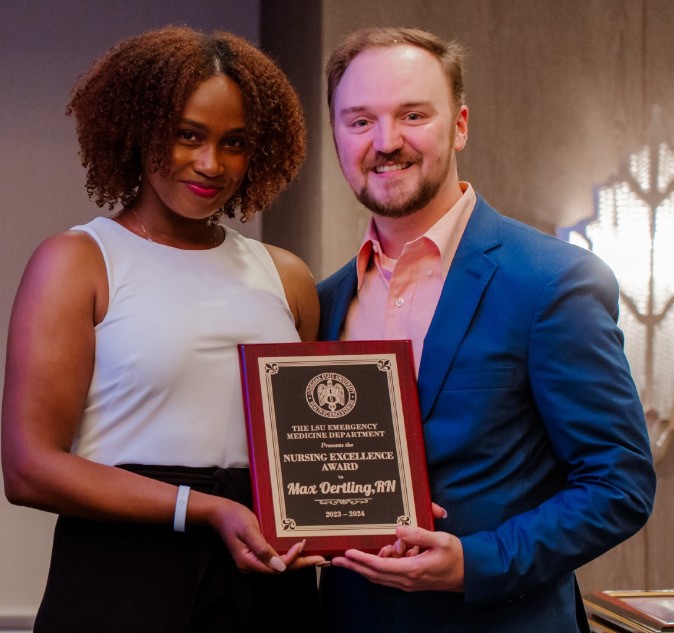
A Nurse Shaped by Experience
Oertling did not choose his diagnosis, but he determined how to respond to it.
As a heart transplant recipient nurse, Oertling brings a perspective shaped by survival into every patient interaction.
He has spent four years working in the trauma center at University Medical Center New Orleans, caring for patients experiencing some of the most critical moments of their lives.
His path to nursing was shaped by the gift he received as a child. The same system that once saved him is now the one he serves.
For nurses, his story reflects the real-world impact of organ donation on patient outcomes, family decisions, and long-term care trajectories.
Why This Story Matters for Nurses
Organ donation depends on both clinical precision and human compassion. Nurses are often at the center of that intersection, supporting patients, guiding families, and witnessing the outcomes.
Max Oertling’s story brings that reality into focus. A decision made decades ago continues to shape lives today, including the patients he now serves.
Let this story be a call to action. Consider registering as an organ donor today, or talk to your loved ones about donation. Your decision could save lives and offer others the same second chance Oertling received.
