


April is Autism Acceptance Month, and new estimates show that one in 31 children in the United States has autism spectrum disorder, underscoring the need for informed, inclusive support across healthcare and home environments.
For nurses and healthcare professionals, this growing prevalence brings added responsibility to help guide families with practical, respectful strategies that support each child’s strengths and needs.
Alexander Lopez, J.D., OT/L, associate professor of occupational therapy at New York Institute of Technology, shares insights into how movement, structure, and consistency can support development in meaningful ways.
How Can Exercise Support Children with Autism?
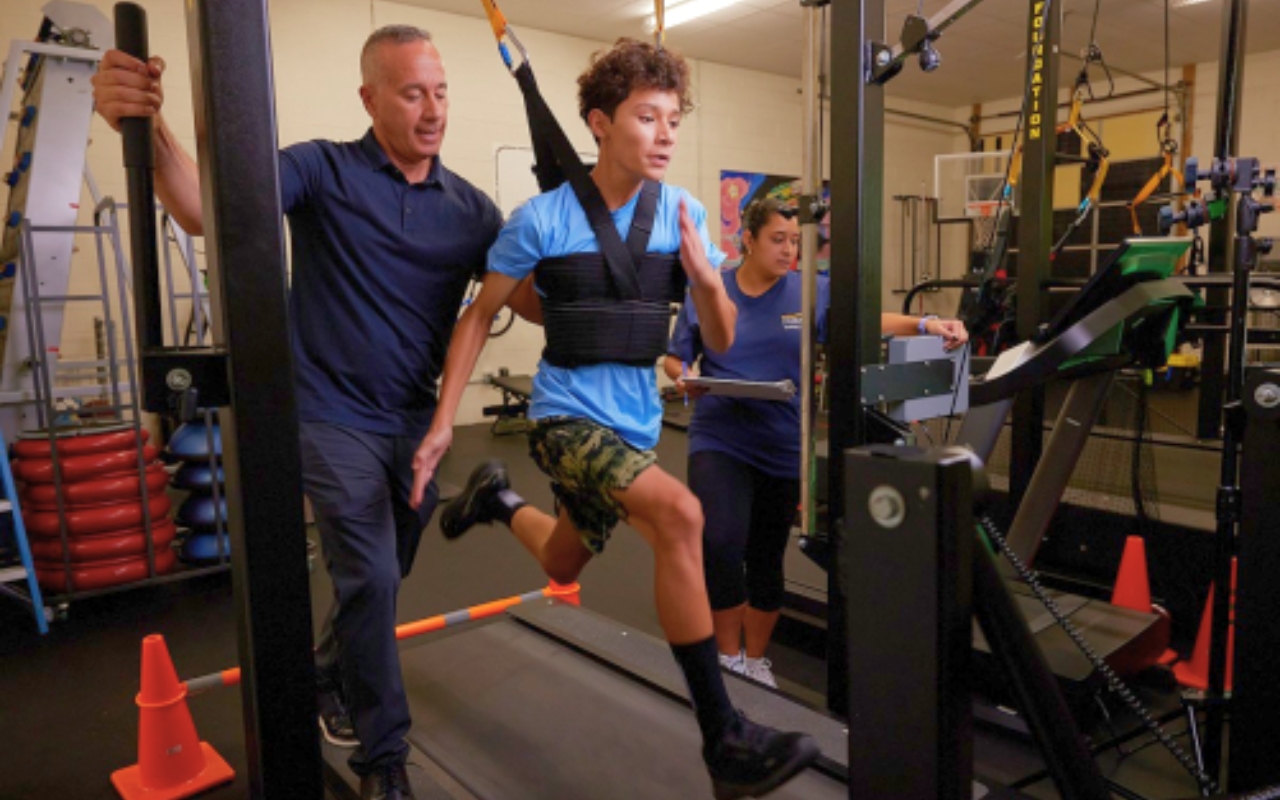
Exercise-based occupational therapy can improve coordination, attention, and cognitive performance while helping the brain process sensory information more effectively. These gains can carry over into daily activities at home and school.
Why Movement Matters in Autism Support
Children with special needs may not always have access to consistent physical activity that supports foundational skill development, including coordination, balance, attention, and planning.
According to Lopez, even simple activities can make a meaningful difference.
Learning how to swing a baseball bat can strengthen these core skills, which carry over into everyday routines that require focus and body awareness.
Lopez has developed targeted athletic programs designed to help children process sensory information more effectively, supporting structural and functional brain changes.
“The brain and body are exceptionally malleable, and occupational therapy interventions that use sports and exercise can improve brain performance and help children develop strategies to minimize or control the effects of unpleasant or confusing sensory information,” says Lopez, who is also the founder of the nonprofit gym Inclusive Sports and Fitness, Inc., which recently opened a location on New York Tech’s Old Westbury, N.Y., campus.
Beyond Physical Skills: Confidence and Connection
The benefits of movement-based programs extend beyond physical development.
Children build confidence and form friendships, and families report improvements in emotional, behavioral, and academic performance at home and at school.
For nurses, this reinforces the importance of whole-child support that extends beyond clinical care.
The Importance of Structure at Home
While therapeutic support plays an important role, Lopez emphasizes that long-term progress begins at home.
“Despite having certain developmental challenges, a child with autism is not solely defined by their condition,” Lopez explains. “That child is still a whole person with their own abilities, potential, and strengths. With supportive resources, nurturing parenting, and targeted therapies, many children on the autism spectrum develop greater independence, confidence, and meaningful participation in everyday life. But the foundation for this success begins at home. When parents provide consistent structure and use positive reinforcement, they create an environment where their child can build skills, feel successful, and thrive.”
He encourages families to maintain consistent expectations and routines.
Structured schedules and visual checklists for tasks like brushing teeth and getting dressed can help children build independence over time.
What This Means for Nursing Practice
As autism prevalence continues to rise, nurses play a key role in supporting both children and families.
Understanding how movement, routine, and consistency support development can help nurses guide caregivers toward practical strategies that extend beyond clinical settings.
Supporting children with autism is not about a single intervention. It is about creating environments where they can build skills, gain confidence, and participate more fully in everyday life.
